
General Houseplant Questions & Care
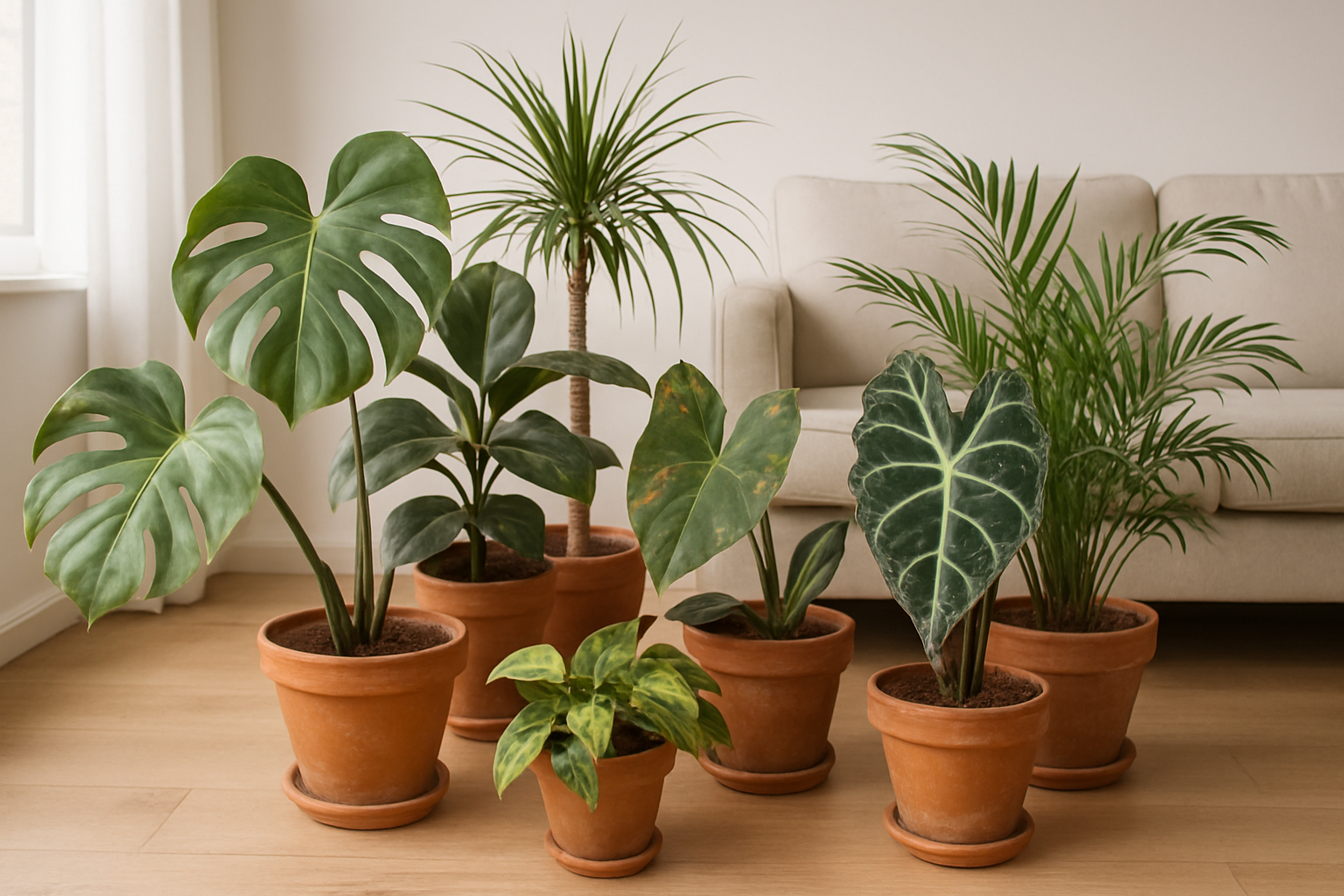
Welcome to our hub for general houseplant care and troubleshooting. Whether you’re new to indoor plants or just want to keep your collection thriving, here you’ll find practical, diagnosis-focused advice for common questions and issues. These tips apply to most popular houseplants, so you don’t need to know the exact species to get started.
Recognizing Common Problems
Most houseplant issues start with changes in leaves or growth. Look out for yellowing, browning, wilting, or sudden leaf drop. These signs often point to problems with water, light, humidity, or pests. For more details on specific symptoms, check our guides on yellow leaves, brown leaves, leaf loss, and wilting.
Watering & Light
Water and light are the basics for healthy plants, but every home is different. Learn how to check soil moisture and adjust your watering routine in our watering guide. For tips on finding the right spot for your plant, see our advice on indoor light.
Leaf Problems: Yellow, Brown, Leaf Drop
Discoloration or leaf loss can have many causes, from watering mistakes to drafts or old age. Our guides on yellow leaves and brown leaves help you pinpoint the issue. If your plant is losing leaves, visit our leaf loss page for practical steps.
Humidity & Drafts
Dry indoor air, especially in winter, can cause brown edges or crispy leaves. Learn how to spot and manage low humidity in our humidity guide. If your plant is near a radiator or in a drafty spot, see our tips for plants near heating or drafts.
Repotting & Propagation
Most houseplants benefit from repotting every couple of years, especially if roots are crowded. For step-by-step instructions, check our repotting guide. Want to multiply your plants? See our tips for easy propagation.
Recognizing Pests
Small insects or sticky residue can signal a pest problem. Learn to spot the early signs and what to do next in our pest recognition guide.
Houseplants & Pets
Some houseplants can be toxic to pets if eaten. If you have cats or dogs, read our pet safety page for practical advice and what to do if you’re concerned.
Quick Links to Houseplant Care Topics
- Watering houseplants
- Light for houseplants
- Yellow leaves
- Brown leaves or edges
- Leaf loss
- Wilting plants
- Humidity for houseplants
- Plants near heating or drafts
- Repotting & soil
- Recognizing pests
- Propagation
- Plants & pet safety
Frequently Asked Questions
- How can I tell if my houseplant is getting too much or too little water?
- Check the soil with your finger: if it feels dry a few centimeters down, it may be time to water. If the soil is soggy or smells musty, you may be watering too much. Wilting, yellowing, or dropping leaves can also be signs of watering problems.
- What are the most common causes of yellow or brown leaves?
- Yellow leaves are often caused by overwatering, lack of light, or natural aging. Brown edges or spots can result from dry air, underwatering, or exposure to drafts or direct heat. See our detailed guides for more help.
- Is my houseplant safe for pets?
- Some houseplants can be toxic to cats or dogs if ingested. If you are unsure about your plant, keep it out of reach of pets and consult our pet safety guide. If your pet shows symptoms after chewing a plant, always contact a veterinarian.
- How do I recognize pests on houseplants?
- Look for small insects, sticky residue, fine webs, or deformed leaves. Common pests include spider mites, aphids, and thrips. Early detection makes treatment easier. For more, visit our pest recognition page.
- When should I repot my houseplant?
- Repot when roots grow out of the drainage holes, the plant dries out quickly after watering, or growth has slowed. Most houseplants benefit from repotting every 1–2 years, ideally in spring.
Introgreen Plantcoach
Plant advice and finder
Get help with plant care, plant problems and pests, or find suitable plants from the Introgreen assortment.