
Repotting Houseplants & Potting Soil
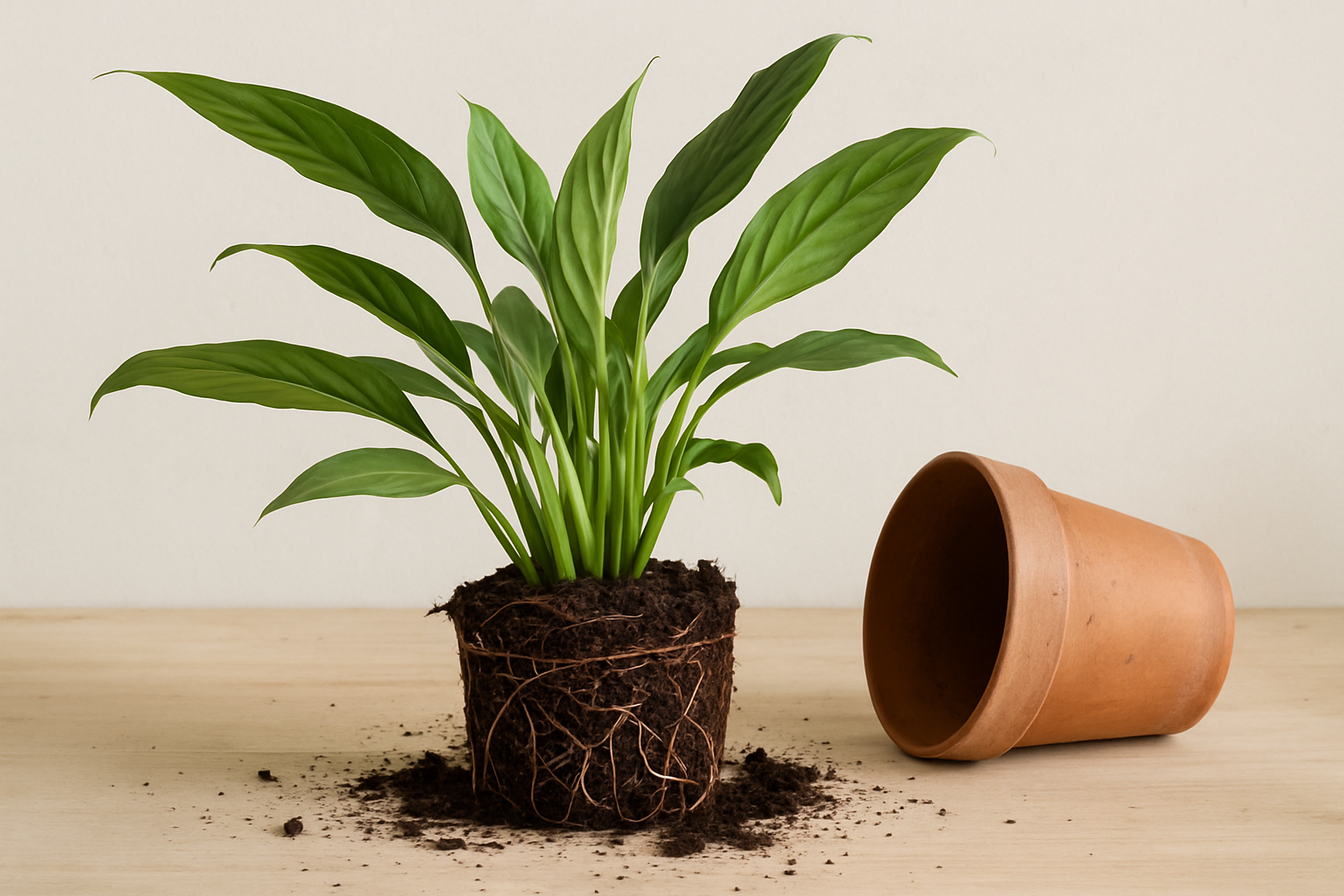
Repotting is an important part of keeping your houseplants healthy and happy. Over time, roots need more space and fresh soil helps your plant absorb water and nutrients better. Here’s what you need to know about when and how to repot, and how to choose the right potting soil.
When should you repot?
- Check the roots: If roots are growing out of the drainage holes or circling tightly inside the pot, it’s time to repot.
- Growth slows down: If your plant seems to have stopped growing during the growing season (spring or summer), it may be rootbound.
- Soil dries out quickly: If the soil dries out much faster than usual, roots may have filled the pot.
- Every 1-2 years: Most houseplants benefit from fresh soil every 1-2 years, even if they don’t need a bigger pot yet.
How to choose the right potting soil?
- Use a general-purpose potting mix for most houseplants. This provides a balance of drainage and moisture retention.
- Avoid using garden soil or heavy clay, as these can compact and suffocate roots indoors.
- Some plants (like cacti or orchids) have special needs, but for most common houseplants, a standard mix is suitable.
Step-by-step: How to repot your houseplant
- Choose a pot that is 2-4 cm (about 1 inch) wider than the current one, with drainage holes.
- Gently remove the plant from its old pot. Loosen the root ball if roots are tightly packed.
- Add fresh potting soil to the bottom of the new pot.
- Place the plant in the center and fill around the sides with more soil. Press lightly to remove air pockets, but don’t compact the soil too much.
- Water thoroughly after repotting, and place the plant back in its usual spot.
Common mistakes to avoid
- Repotting in winter: Most plants prefer to be repotted in spring or early summer when they are actively growing.
- Using a pot that is much too large: This can cause the soil to stay wet for too long, increasing the risk of root rot.
- Damaging roots: Try to keep root disturbance to a minimum, especially for sensitive plants.
- Forgetting to water after repotting: Fresh soil needs to be moistened to help roots settle in.
Related topics
Frequently Asked Questions
- How often should I repot my houseplant?
- Most houseplants benefit from repotting every 1-2 years. Fast-growing plants may need it more often, while slow growers can wait longer. Always check the roots for signs of crowding.
- What is the best time to repot?
- The best time to repot is in spring or early summer, when plants are starting their active growth phase. Avoid repotting in winter unless absolutely necessary.
- Can I use regular garden soil for houseplants?
- It’s best not to use garden soil for indoor plants. Garden soil can be too dense and may contain pests or diseases. Use a potting mix designed for houseplants for better results.
- Is kamerplanten-algemeen toxic to dogs and cats?
- kamerplanten-algemeen is generally considered toxic to dogs and cats. Its sap can irritate the mouth, skin or stomach if leaves are chewed or swallowed. Keep the plant out of reach of pets and contact a veterinarian if symptoms occur or if you are unsure.
Introgreen Plantcoach
Plant advice and finder
Get help with plant care, plant problems and pests, or find suitable plants from the Introgreen assortment.
Start with a plant question
Choose a route or ask your own question below.