
Houseplants Near Heating or Drafts
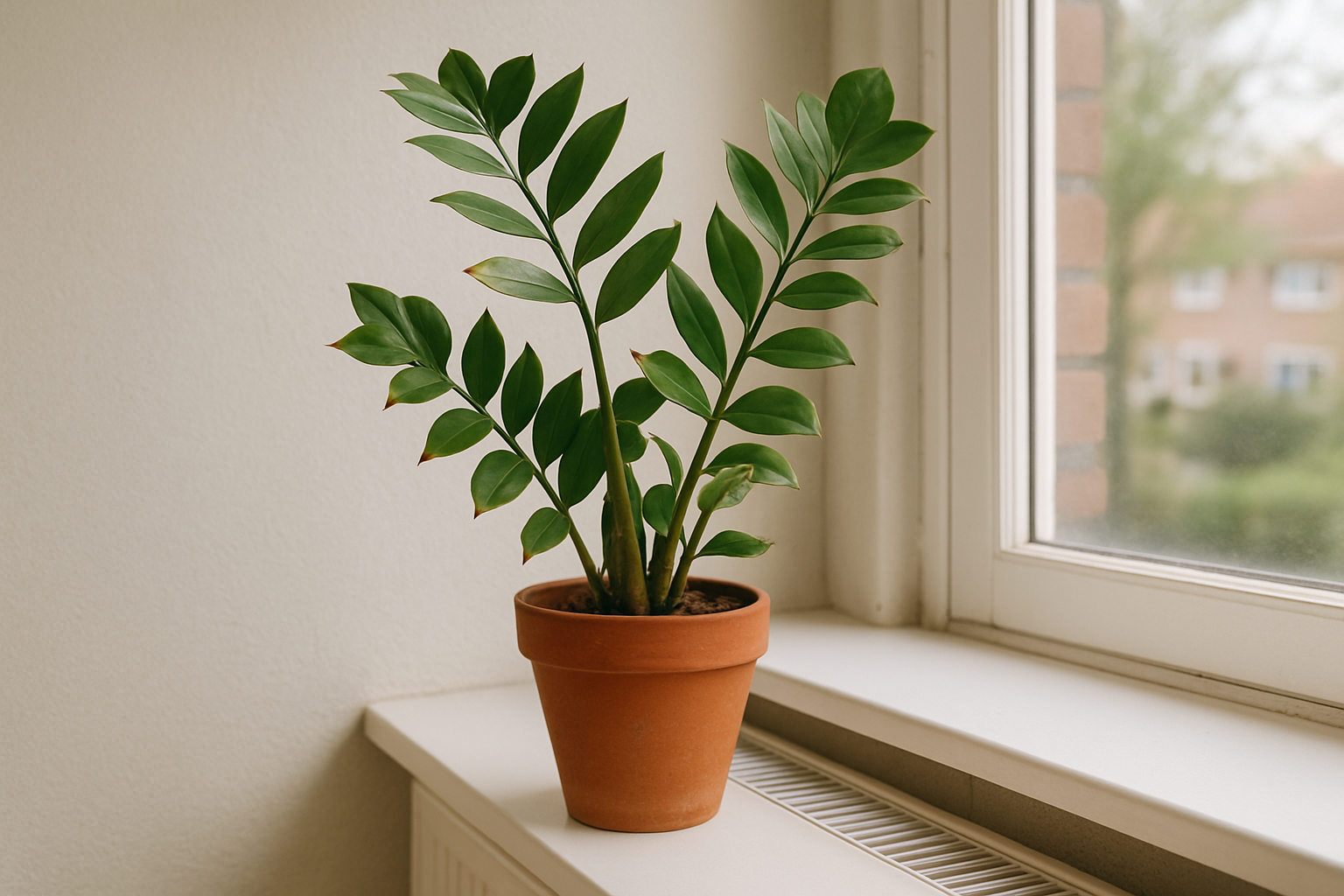
Many homes have limited options for placing houseplants, and radiators or drafty windowsills are common spots. While most houseplants can tolerate some variation, it’s good to know how heating and drafts affect them—and what you can do to keep your plants healthy.
What Does Heating Do to Houseplants?
Radiators and other heating sources dry out the air around them. This can cause the soil to dry faster and lower the humidity, which many houseplants dislike. Signs of trouble include dry or crispy leaf edges, wilting, or leaves dropping more quickly than usual. Some plants may also develop brown spots or faded patches if they’re too close to a heat source.
Effects of Drafts
Cold drafts from windows or doors can stress houseplants, especially in winter. Sudden temperature changes may cause leaves to curl, drop, or develop brown edges. Some plants are more sensitive than others, but most will show some reaction if exposed to regular cold air movement.
How to Recognize Damage from Heat or Drafts
- Dry, brown leaf edges—often a sign of dry air or direct heat.
- Wilting or limp leaves—can result from rapid moisture loss.
- Leaf drop—may happen after sudden temperature changes.
- Curled or faded leaves—possible sign of cold drafts or heat stress.
Tips for a Better Spot
- If possible, place plants a little away from direct heat sources like radiators or heaters.
- Avoid putting plants right in front of frequently opened windows or doors during cold months.
- Check soil moisture more often if your plant is near a radiator; it may dry out faster than usual.
- Watch for signs of stress and move your plant if you notice repeated issues.
- Grouping plants together can help maintain local humidity, especially in heated rooms.
Related topics
Frequently Asked Questions
- Can houseplants be placed next to the radiator?
- It’s best to avoid placing houseplants directly above or next to a radiator. The warm, dry air can cause the soil and leaves to dry out quickly, leading to brown edges or leaf drop. If you have no other option, check the soil moisture more often and watch for signs of stress.
- How do I recognize draft problems in my plants?
- Plants affected by cold drafts may develop curled, faded, or brown-edged leaves. You might also notice sudden leaf drop, especially after a cold night or when windows are opened frequently.
- What are alternatives to a cold windowsill?
- If your windowsill is too cold or drafty, try placing your plant a bit further into the room, where temperatures are more stable. Grouping plants together or using a small table near the window (but not directly on the sill) can also help.
- Is kamerplanten-algemeen toxic to dogs and cats?
- kamerplanten-algemeen is generally considered toxic to dogs and cats. Its sap can irritate the mouth, skin or stomach if leaves are chewed or swallowed. Keep the plant out of reach of pets and contact a veterinarian if symptoms occur or if you are unsure.
Introgreen Plantcoach
Plant advice and finder
Get help with plant care, plant problems and pests, or find suitable plants from the Introgreen assortment.