
Yellow Leaves on Houseplants: Causes & Solutions
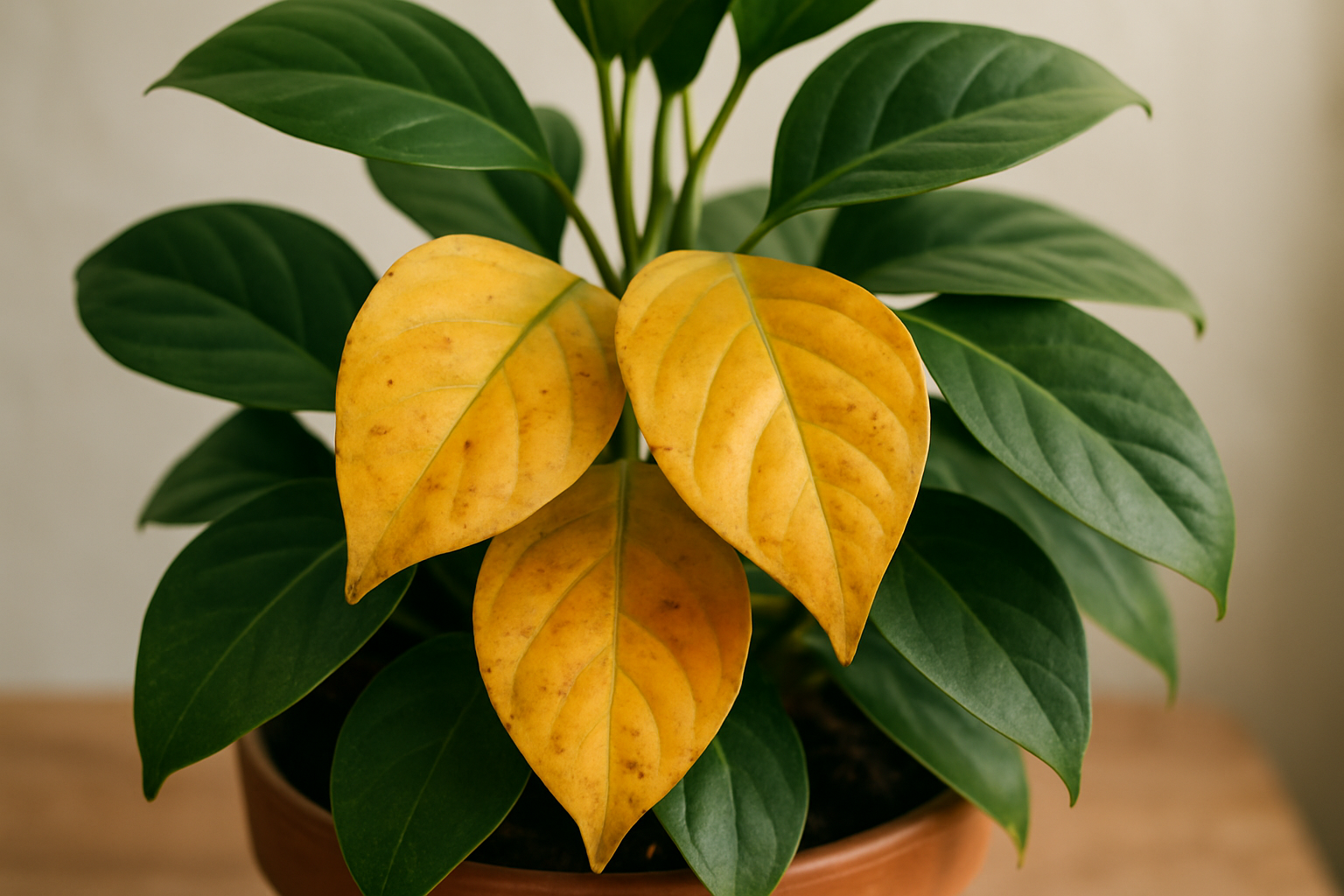
Common Causes of Yellow Leaves
Yellowing leaves are one of the most frequent concerns for houseplant owners. While a single yellow leaf isn’t always a sign of trouble, multiple yellowing leaves can indicate an underlying issue. The most common causes are:
- Overwatering or underwatering
- Insufficient or excessive light
- Nutrient deficiency or natural aging
- Sudden changes in temperature or drafts
- Pest infestations
Too Much or Too Little Water
Watering issues are the leading cause of yellow leaves. If the soil stays wet for days, roots may suffocate and rot, leading to yellowing. On the other hand, if the soil is bone dry, the plant can’t take up enough water, also causing leaves to turn yellow and drop.
- Check the soil with your finger: if it feels soggy, hold off on watering and let it dry out a bit. If it’s dry several centimeters down, it’s time to water.
- Always empty excess water from saucers or outer pots to avoid root rot.
For more on watering, see How to Water Houseplants.
Light Problems
Both too little and too much light can cause yellowing. Plants in low light may develop pale, yellow leaves and leggy growth. Too much direct sun can scorch leaves, leading to yellow or brown patches.
- Move your plant closer to a window if it’s in a dark spot, but avoid harsh midday sun unless the plant is sun-loving.
- Rotate your plant regularly for even light exposure.
Read more about light needs: Light Requirements for Houseplants.
Nutrient Deficiency or Natural Aging
Older leaves naturally turn yellow and drop as part of the plant’s life cycle, especially on the lower part of the stem. If yellowing is widespread or affects new growth, it may be a sign of nutrient deficiency. This is more likely if the plant hasn’t been repotted or fertilized for a long time.
- Remove old yellow leaves to keep the plant tidy.
- If new leaves are pale or yellow, consider refreshing the soil during the growing season.
What Can You Do?
- Check soil moisture and adjust watering habits.
- Assess the plant’s light situation and move if needed.
- Remove yellow leaves with clean scissors to prevent mold.
- Look for signs of pests (sticky residue, webbing, small insects). If found, see Recognizing Pests on Houseplants.
- If the plant is rootbound or hasn’t been repotted in years, consider repotting in spring.
Yellow leaves are often a sign that your plant is trying to tell you something. With a little observation and care, most plants bounce back well.
Frequently Asked Questions
- Should I remove yellow leaves from my houseplant?
- Yes, you can safely remove yellow leaves with clean scissors. This helps prevent mold and keeps the plant looking tidy. Only remove leaves that are fully yellow or dead.
- Is yellowing always a problem?
- No, occasional yellow leaves—especially older ones at the base—are normal. If many leaves turn yellow at once or new growth is affected, check for watering, light, or pest issues.
- Can yellowing be caused by drafts?
- Yes, sudden temperature changes or cold drafts can stress a plant and cause yellow leaves. Try to keep plants away from frequently opened windows or doors, and avoid placing them directly in the path of cold air.
Introgreen Plantcoach
Plant advice and finder
Get help with plant care, plant problems and pests, or find suitable plants from the Introgreen assortment.