
How to Water Indoor Plants: Practical Tips
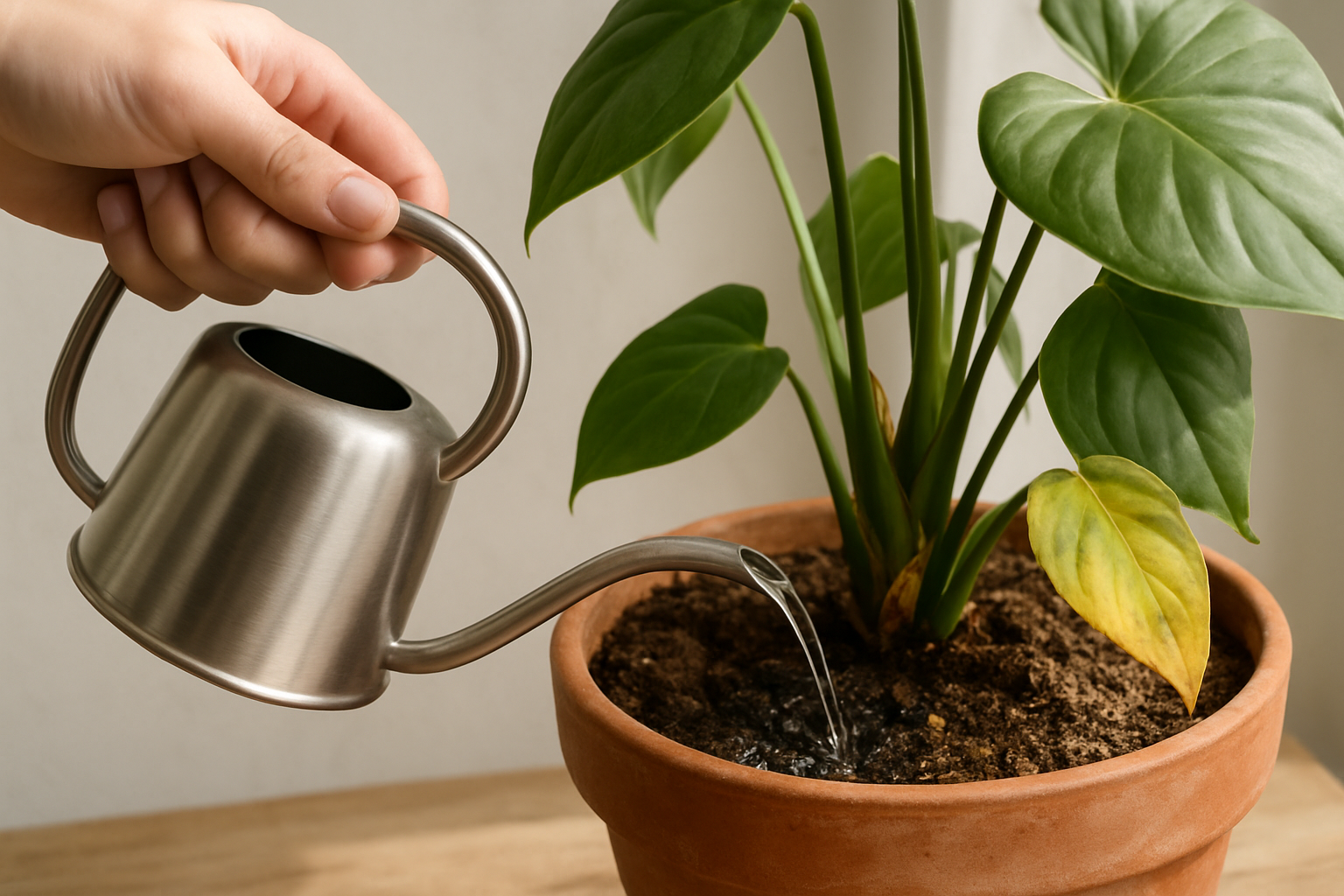
Giving your houseplants the right amount of water can feel tricky, but with a few simple checks, you’ll quickly get the hang of it. Every plant is a little different, but most common indoor plants appreciate a consistent routine and a bit of attention to their soil and leaves.
How Often Should You Water?
There’s no universal schedule for watering all indoor plants. The best frequency depends on the plant type, pot size, light, temperature, and season. As a general rule:
- Check the soil regularly: Most houseplants prefer the top 2–3 cm of soil to dry out before the next watering.
- Water less in winter: Growth slows down, so plants need less water.
- Water more in summer: Warmth and light increase water needs.
Checking the Soil: Dry or Wet?
Before watering, gently press your finger into the soil up to the first knuckle. If the soil feels dry at this depth, it’s usually time to water. If it still feels moist, wait a few days and check again. For larger pots, check in several spots.
Signs of Too Much or Too Little Water
- Too much water: Yellowing leaves, soft stems, or a musty smell from the soil can indicate overwatering. The soil may feel constantly wet.
- Too little water: Wilting, dry or crispy leaf edges, and soil pulling away from the pot’s edge are signs of underwatering.
If you notice these symptoms, adjust your watering routine and check the soil more often.
Tips for Different Seasons
- Spring & Summer: Plants grow faster and usually need more water. Check the soil more often.
- Autumn & Winter: Growth slows, so let the soil dry out a bit more between waterings.
- After repotting: Newly repotted plants may need less water until roots settle.
Related topics
Frequently Asked Questions
- How can I tell if my indoor plant needs water?
- Check the top 2–3 cm of soil with your finger. If it feels dry, it’s time to water. If it’s still moist, wait a few days and check again. Some plants may need more or less frequent watering, but this method works for most common houseplants.
- What happens if I overwater my plant?
- Overwatering can cause yellow leaves, soft stems, and root rot. The soil may smell musty or sour. If you suspect overwatering, let the soil dry out and reduce watering frequency. Always empty excess water from saucers or cachepots.
- Can I use tap water for indoor plants?
- Most houseplants tolerate tap water, but some sensitive species may react to high levels of chlorine or lime. If you notice leaf spots or buildup on the soil, try letting tap water stand overnight before use, or use rainwater if available.
- Is kamerplanten-algemeen toxic to dogs and cats?
- kamerplanten-algemeen is generally considered toxic to dogs and cats. Its sap can irritate the mouth, skin or stomach if leaves are chewed or swallowed. Keep the plant out of reach of pets and contact a veterinarian if symptoms occur or if you are unsure.
How to Water Indoor Plants: Step-by-Step
- Check the soil moisture with your finger up to the first knuckle.
- If the soil feels dry, water the plant slowly until excess water drains from the bottom of the pot.
- Empty any water that collects in the saucer after 15–30 minutes.
- Wait until the top layer of soil dries out again before the next watering.
Introgreen Plantcoach
Plant advice and finder
Get help with plant care, plant problems and pests, or find suitable plants from the Introgreen assortment.