
Wilting Houseplants: Causes & Solutions
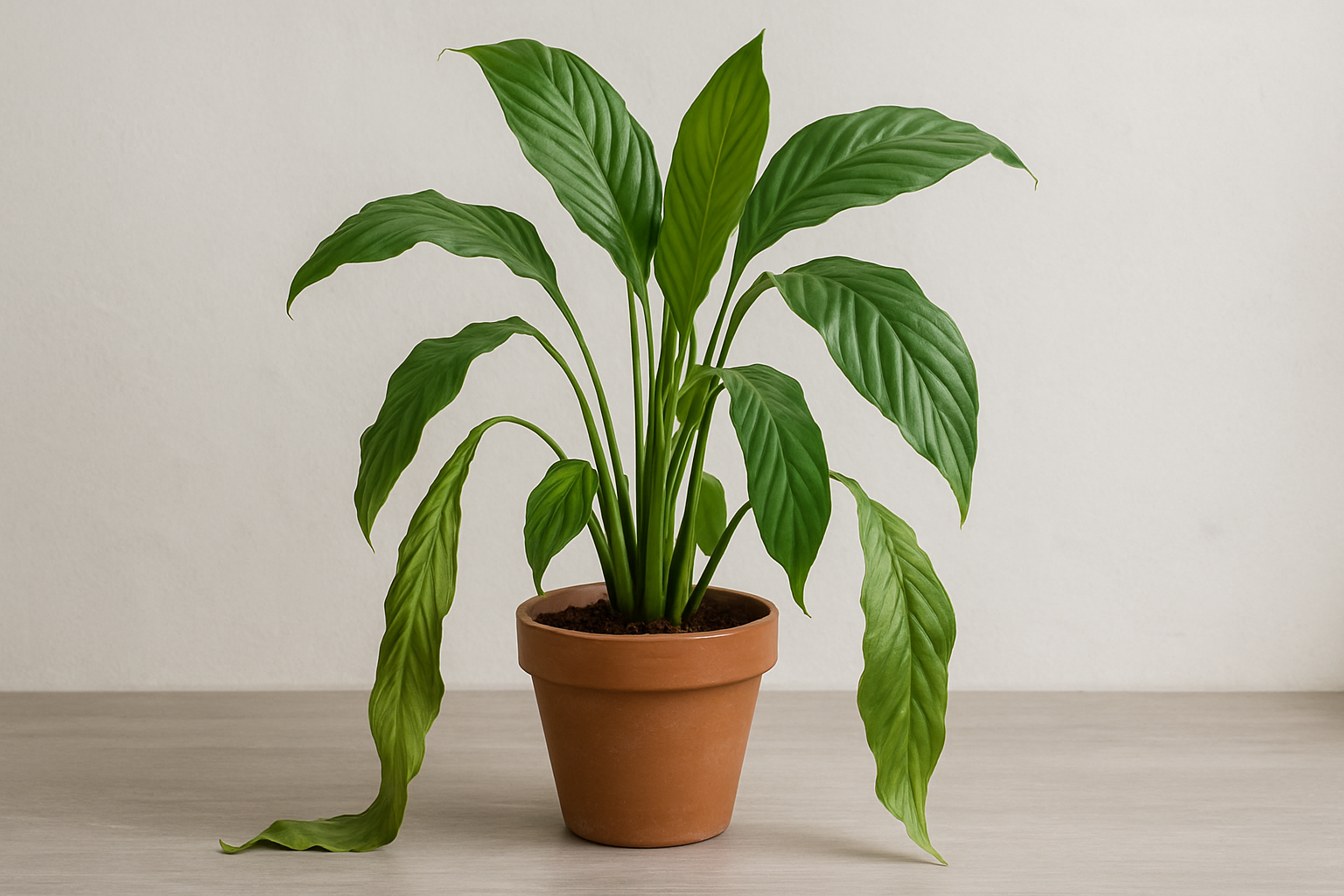
It can be worrying to see your houseplant suddenly wilt or droop. Luckily, most causes are easy to check and often reversible if you act in time. Here’s how to spot the problem and what you can do to help your plant recover.
Why Does a Plant Wilt?
Wilting is usually a sign that your plant is struggling to take up enough water. This can happen for several reasons, including issues with watering, light, temperature, or root health. The key is to observe your plant closely and check the soil and environment.
Underwatering or Root Rot
If the soil feels dry several centimeters below the surface, your plant may simply need water. However, if the soil is wet but the plant is still wilting, root rot could be the culprit. Root rot is often caused by overwatering or poor drainage, which damages the roots and prevents them from absorbing water.
- Dry soil: Water the plant thoroughly and let excess water drain away.
- Wet soil, wilting plant: Gently remove the plant from its pot and check the roots. Healthy roots are firm and white; rotten roots are brown and mushy. If you find rot, trim away affected roots and repot in fresh, well-draining soil.
Too Much or Too Little Light
Light plays a big role in plant health. Too little light can cause weak, floppy growth, while too much direct sun can dry out the plant quickly. Observe if your plant is stretching towards the light or if leaves are scorched or faded.
- Move the plant closer to a window if it’s in a dark spot, or further away if it’s getting harsh midday sun.
- Rotate the plant occasionally so all sides receive light evenly.
Sudden Temperature Changes
Houseplants are sensitive to drafts, heaters, and sudden temperature swings. Cold air from open windows or hot air from radiators can stress the plant and cause wilting.
- Keep plants away from direct drafts and heat sources.
- Try to maintain a stable room temperature, ideally between 18–24°C (65–75°F).
What Can You Do?
- Check the soil moisture with your finger or a stick.
- Adjust watering based on soil dryness, not just a fixed schedule.
- Inspect roots if wilting continues despite correct watering.
- Move the plant if it’s in a spot with extreme light or temperature.
- Remove any dead or mushy leaves to help the plant focus on healthy growth.
Most houseplants bounce back quickly once the underlying issue is addressed. If wilting persists, review other care factors or check for pests.
Related advice
Frequently Asked Questions
- Can a wilting plant recover?
- Yes, most houseplants can recover from wilting if the cause is addressed quickly. Check the soil moisture and roots, adjust watering, and move the plant if needed. Recovery time depends on the severity and the plant’s overall health.
- How quickly should I act if my plant is wilting?
- It’s best to check your plant as soon as you notice wilting. The sooner you identify and fix the problem, the better the chances of a full recovery.
- Is wilting always a sign of underwatering?
- No, wilting can also be caused by overwatering, root rot, poor drainage, too much or too little light, or sudden temperature changes. Always check the soil and roots before watering more.
Introgreen Plantcoach
Plant advice and finder
Get help with plant care, plant problems and pests, or find suitable plants from the Introgreen assortment.