
Light Needs of Houseplants
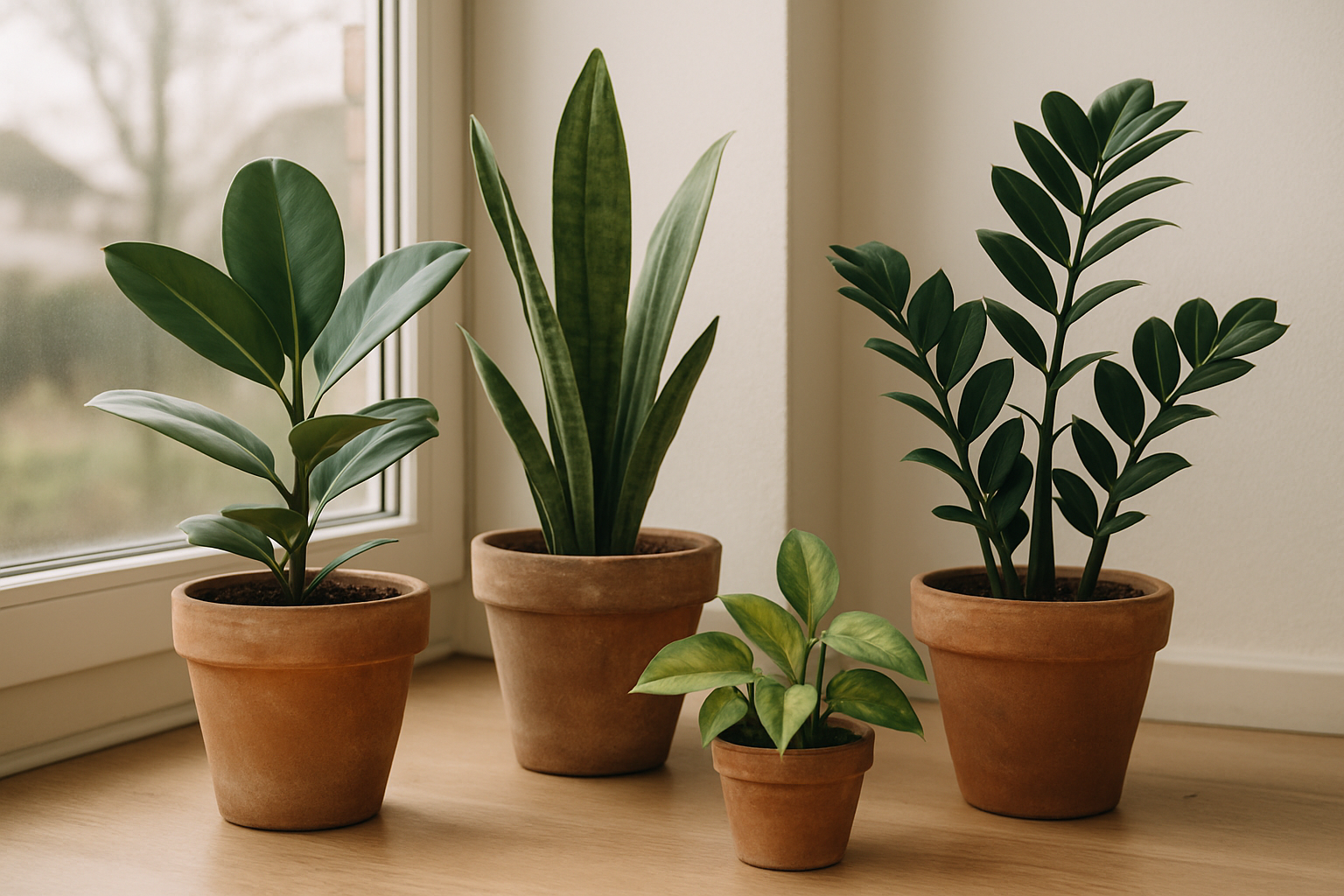
Finding the right spot for your houseplant can make all the difference in its health and appearance. While every plant has its own preferences, there are some practical guidelines that apply to most common indoor plants. Here’s how to judge if your plant is getting the light it needs, and what you can do if it isn’t.
How much light does a houseplant need?
Most houseplants prefer bright, indirect light. This means they like to be near a window, but not in direct sun for long periods. Direct sunlight can scorch leaves, while too little light can slow growth and cause pale or leggy stems. If you’re unsure, a spot with filtered daylight (such as behind a sheer curtain) is usually a safe choice for many species.
Distance from the window
The closer a plant is to a window, the more light it will receive. As a rule of thumb:
- 0–1 meter from a window: Bright light, suitable for most light-loving plants.
- 1–2 meters from a window: Medium light, good for many foliage plants.
- More than 2 meters away: Low light, only suitable for shade-tolerant species.
North-facing windows give the least light, while south-facing windows (in the Northern Hemisphere) provide the most. East and west windows offer moderate light, often with some direct sun in the morning or afternoon.
Signs of too little or too much light
- Too little light: Slow or spindly growth, pale or yellowing leaves, leaves dropping, or stems stretching toward the window.
- Too much light: Brown or scorched leaf edges, faded or bleached spots, or leaves curling up.
If you notice these signs, try moving your plant closer to or further from the window, or adjust with a sheer curtain to filter direct sun.
Light in different seasons
Light levels change throughout the year. In winter, even a bright spot may become too dim for some plants, while in summer, direct sun can be much stronger. You may need to move your plants seasonally to keep them happy—closer to the window in winter, and back a bit in summer if leaves show signs of burning.
Related topics
Frequently Asked Questions
- How can I tell if my houseplant is getting enough light?
- Look for healthy, steady growth and vibrant leaf color. If your plant is growing slowly, stretching toward the window, or developing pale or yellow leaves, it may need more light. Conversely, brown or scorched spots can indicate too much direct sun.
- What happens if a plant is kept in a spot that is too dark?
- Plants in too little light often grow slowly, become leggy, and may drop leaves. Over time, they can lose their shape and vitality. If possible, move the plant closer to a window or to a brighter room.
- Can houseplants survive in the bathroom?
- Some houseplants can do well in bathrooms, especially if there is a window providing natural light. High humidity is beneficial for many tropical plants, but without enough light, most will struggle. If your bathroom is very dark, consider moving the plant to a brighter spot.
- Is kamerplanten-algemeen toxic to dogs and cats?
- kamerplanten-algemeen is generally considered toxic to dogs and cats. Its sap can irritate the mouth, skin or stomach if leaves are chewed or swallowed. Keep the plant out of reach of pets and contact a veterinarian if symptoms occur or if you are unsure.
Introgreen Plantcoach
Plant advice and finder
Get help with plant care, plant problems and pests, or find suitable plants from the Introgreen assortment.