
How to Propagate Houseplants: Simple Steps & Tips
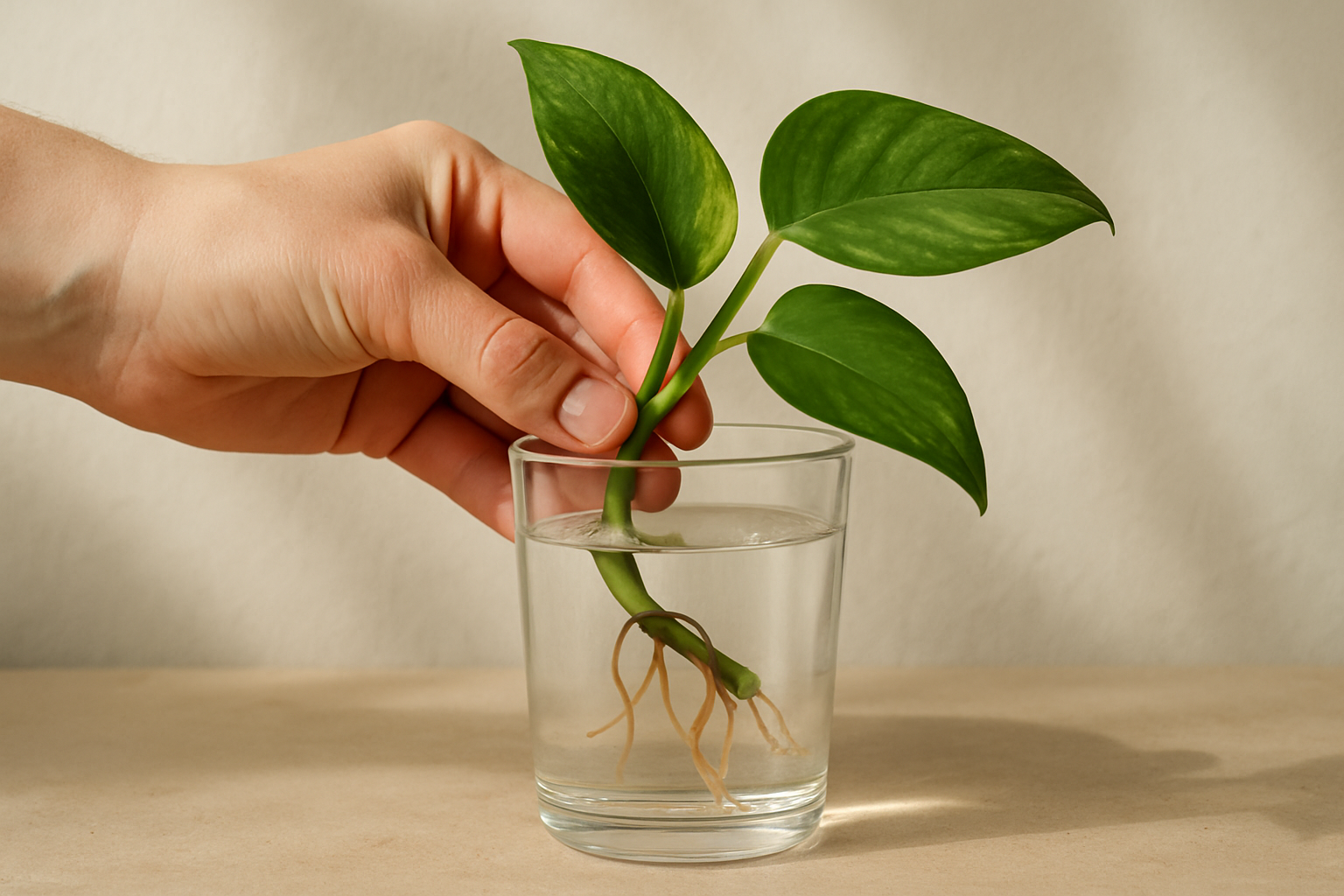
Propagating houseplants is a rewarding way to grow new plants from your favorites. Many common houseplants can be propagated at home with just a few simple steps. Here’s what you need to know to get started, avoid common mistakes, and decide when propagation is (or isn’t) a good idea.
Which Houseplants Are Easy to Propagate?
- Pothos, Philodendron, Tradescantia: These are classic examples that root easily from stem cuttings in water or soil.
- Spider plant (Chlorophytum): Produces baby plants (offshoots) that can be snipped and rooted.
- Monstera, ZZ plant, Sansevieria: Can be propagated, but may require more patience or a different method (such as leaf cuttings or division).
- Not all houseplants are suitable for easy propagation. Always check if your plant type is known to root from cuttings before starting.
Step-by-Step: Propagating in Water or Soil
- Choose a healthy stem: Select a non-flowering stem with at least one node (the bump where leaves or roots grow).
- Cut below a node: Use clean scissors or a knife to make a cut just below a node. Remove lower leaves so only the top leaves remain.
- Place in water or soil: Put the cutting in a glass of water (change water every few days) or insert it into moist potting soil.
- Wait for roots: Place the cutting in a bright spot out of direct sunlight. Roots usually appear within 2–6 weeks, depending on the plant and conditions.
- Pot up: Once roots are a few centimeters long, transfer water-rooted cuttings to soil. Keep the soil lightly moist at first.
Common Mistakes to Avoid
- Using cuttings without a node—roots won’t form without one.
- Leaving too many leaves on the cutting, which can cause wilting.
- Letting water get murky or forgetting to change it regularly.
- Placing cuttings in direct sun, which can dry them out or cause leaf burn.
- Expecting all cuttings to root—some may fail, and that’s normal.
When Is Propagation Not a Good Idea?
- If your plant is unhealthy, stressed, or infested with pests, wait until it recovers before taking cuttings.
- Some species don’t propagate well from cuttings and may require special techniques or simply don’t root easily.
- In winter, many houseplants are dormant and may root more slowly or not at all. Spring and early summer are usually best.
More Houseplant Care Advice
Frequently Asked Questions
- Do I always need to use rooting powder?
- No, most common houseplants root well in water or soil without rooting powder. Some slow-rooting species may benefit, but it’s not essential for most cuttings.
- How long does it take for a cutting to develop roots?
- This varies by plant and environment. Many cuttings show roots within 2–6 weeks, but some may take longer. Warmer temperatures and bright, indirect light help speed up rooting.
- Can every houseplant be propagated from cuttings?
- No, not all houseplants can be propagated this way. Some require division, leaf cuttings, or won’t root from cuttings at all. If unsure, look up your plant’s propagation method or ask for advice.
Introgreen Plantcoach
Plant advice and finder
Get help with plant care, plant problems and pests, or find suitable plants from the Introgreen assortment.
Start with a plant question
Choose a route or ask your own question below.