
General Garden Plants: Frequently Asked Questions & Advice
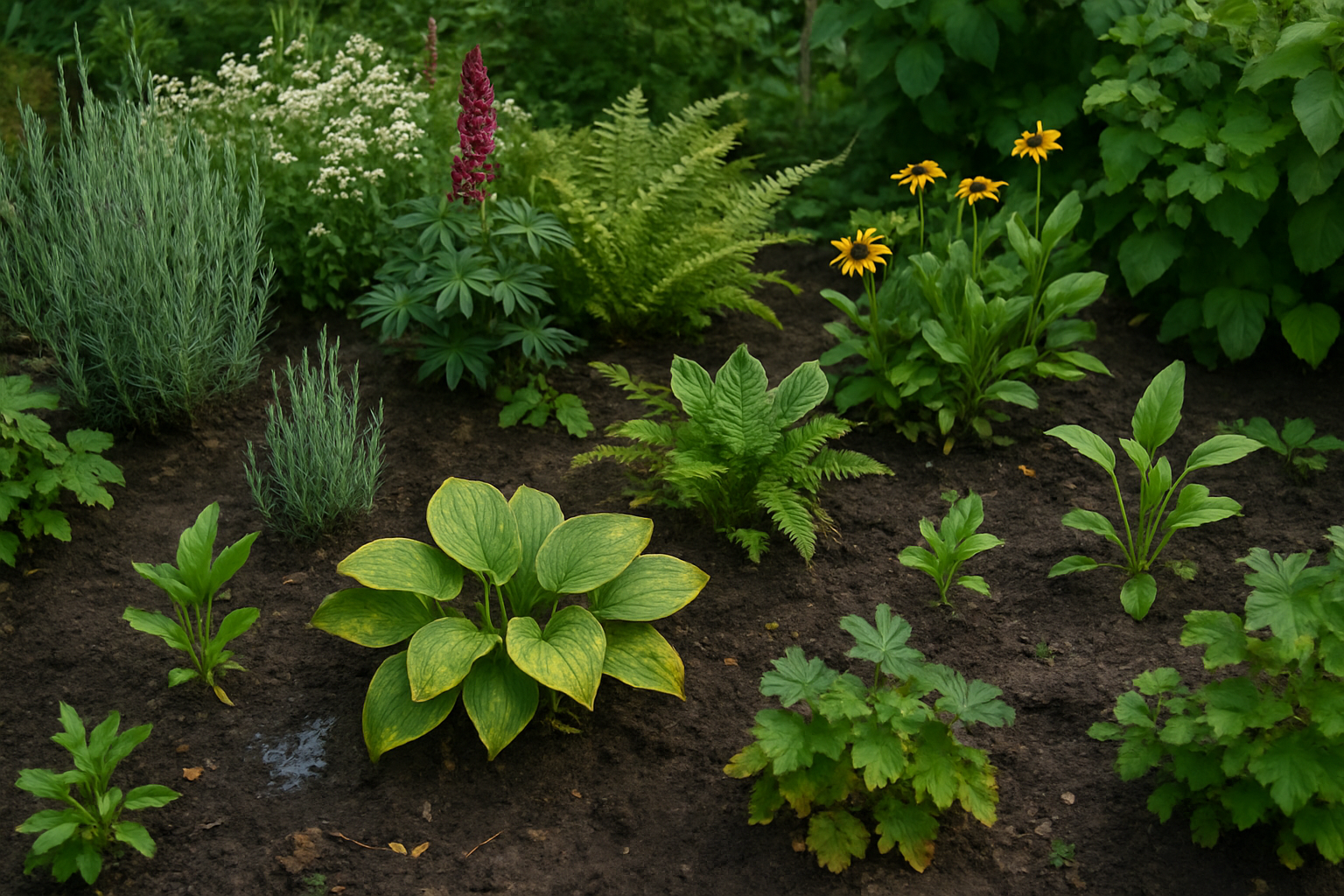
Every garden is unique, and so are the challenges you might face with your outdoor plants. Whether you’re dealing with yellow leaves, unsure about watering, or wondering how to protect your plants from frost, this page brings together practical, diagnosis-based advice for common garden plant questions in the Netherlands and Belgium. Our tips are designed to be broadly applicable, so you can use them for a wide range of garden plants without needing to know the exact species.
Common Problems with Garden Plants
- Yellow or brown leaves: Learn what causes leaf discoloration and what you can do about it.
- Leaf loss: Understand when leaf drop is normal and when it signals a problem.
- Pests: Recognize common garden pests and how to respond.
- Frost damage: Spot the signs and support plant recovery.
- Lack of flowering: Explore possible reasons your plant isn’t blooming.
- Drought and heat stress: Identify symptoms and protect your plants during hot, dry spells.
Basic Care for Garden Plants
- Watering: Find out how much and how often to water, and how to adjust for weather and soil type.
- Sun or shade?: Tips for choosing the right spot in your garden.
- Fertilizing: When and how to feed your plants for healthy growth.
- Pots vs. open ground: The pros and cons of each option.
Seasonal Challenges
- Winter hardiness: What it means and how to protect sensitive plants.
- Evergreen garden plants: What to expect from plants that stay green in winter.
Pruning and Growth
- Pruning basics: General rules for safe and effective pruning.
Recognizing Leaf Problems
Garden Plants in Pots vs. Open Ground
Frequently Asked Questions
- How often should I water my garden plants?
- Most garden plants prefer the soil to dry out slightly between waterings. During dry periods, check the soil by feeling a few centimeters deep; if it feels dry, it’s time to water. In wet weather, watering is often unnecessary. Young or newly planted specimens may need more frequent watering until established.
- What should I do if my garden plant has yellow or brown leaves?
- Yellow or brown leaves can result from overwatering, underwatering, nutrient deficiencies, or natural aging. Check the soil moisture and look for other symptoms. Remove severely damaged leaves if desired, but focus on adjusting care rather than removing all discolored leaves.
- Can my garden plants survive frost?
- Many garden plants tolerate some frost, but hardiness varies widely. If you’re unsure about a plant’s hardiness, consider providing extra protection during severe cold, such as covering with fleece or moving potted plants to a sheltered spot. Some leaf or stem damage may occur after harsh winters.
- When and how should I prune my garden plants?
- Most pruning is best done in late winter or early spring, before new growth starts. Use clean, sharp tools and avoid cutting too close to buds. Remove dead, damaged, or crossing branches first. Always check if your specific plant has special pruning needs.
- Why is my plant losing its leaves?
- Leaf loss can be natural, especially in autumn, but can also signal stress from drought, overwatering, pests, or sudden temperature changes. Review recent weather and watering habits, and inspect for pests or diseases if leaf loss seems excessive.
- What is the difference between plants in pots and in open ground?
- Plants in pots usually need more frequent watering and may be more sensitive to temperature extremes. In open ground, roots can access more moisture and nutrients, but soil conditions and drainage play a bigger role. Choose based on your garden’s layout and your ability to monitor care.
- Which garden plants are evergreen?
- Evergreen plants keep their leaves year-round, but the exact species and their appearance in winter can vary. Not all evergreens remain fully green in harsh winters; some may show browning or leaf drop, especially after cold spells.
- How can I recognize drought stress in garden plants?
- Signs of drought stress include wilting, curled or drooping leaves, and dry soil. Some plants may develop brown leaf edges or drop leaves. Water deeply and adjust care if you notice these symptoms, especially during hot, dry weather.
- Is tuinplanten-algemeen toxic to dogs and cats?
- tuinplanten-algemeen is generally considered toxic to dogs and cats. Its sap can irritate the mouth, skin or stomach if leaves are chewed or swallowed. Keep the plant out of reach of pets and contact a veterinarian if symptoms occur or if you are unsure.
Introgreen Plantcoach
Plant advice and finder
Get help with plant care, plant problems and pests, or find suitable plants from the Introgreen assortment.
Start with a plant question
Choose a route or ask your own question below.