
Fertilizing Garden Plants: When and How?
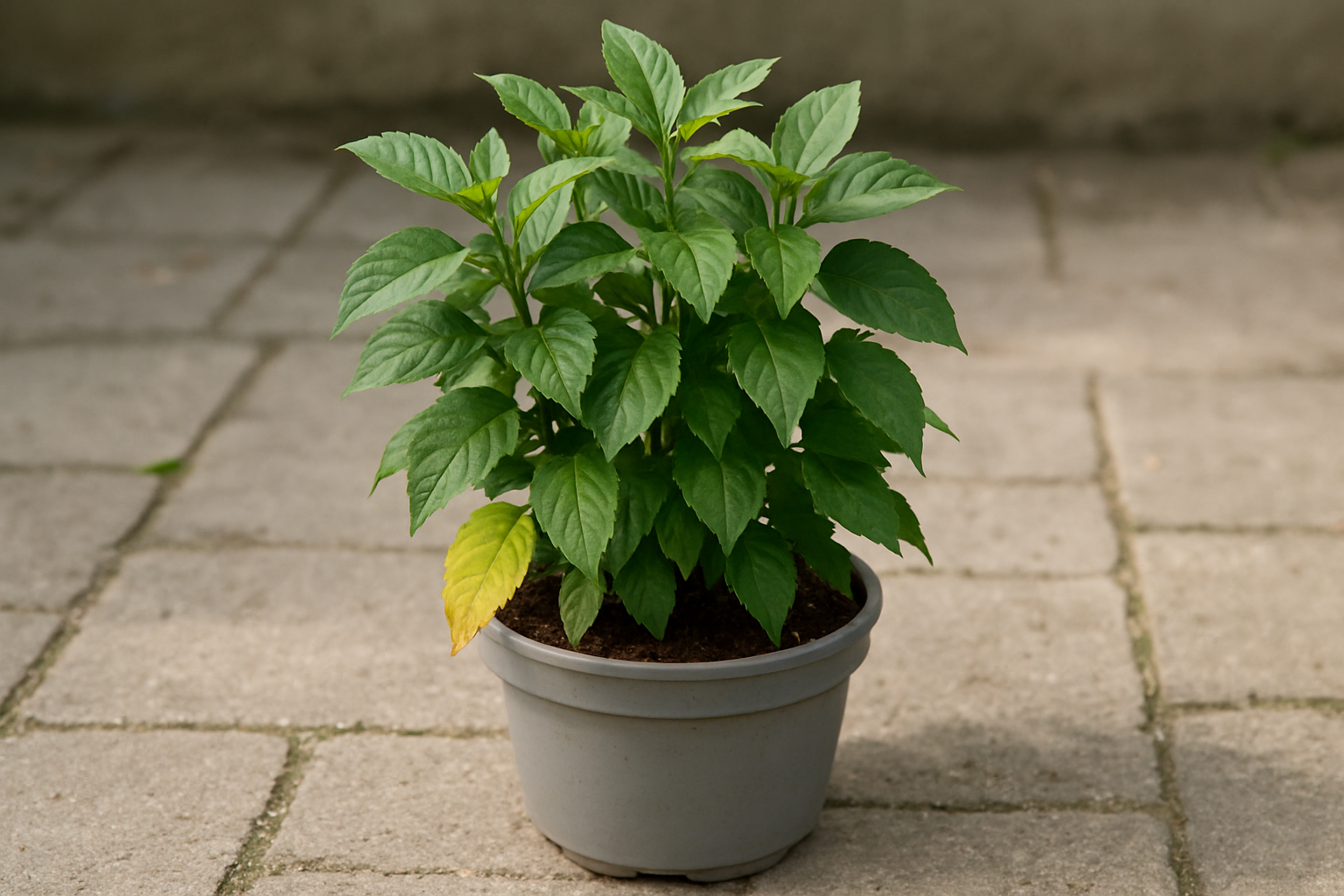
Why Fertilize?
Fertilizing helps garden plants get the nutrients they need for steady growth and flowering. Over time, soil nutrients can become depleted, especially in intensively planted or older gardens. Fertilizing can support plants during their main growing season, but not every plant or soil needs the same amount.
When to Fertilize: General Guidelines
- Spring: Most garden plants benefit from a light application of fertilizer in early spring, just as new growth begins.
- Summer: Some plants may need a second, lighter feeding in early summer, especially if they are heavy feeders or growing in poor soil.
- Autumn and Winter: Avoid fertilizing late in the season, as this can encourage soft growth that is vulnerable to frost.
- Always check the specific needs of your plant type and the condition of your soil. Over-fertilizing can do more harm than good.
Common Mistakes When Fertilizing
- Too much fertilizer: This can cause leaf burn, weak growth, or even root damage. Always follow recommended amounts and avoid doubling up.
- Fertilizing dry soil: Water the soil lightly before applying fertilizer to prevent root burn.
- Ignoring soil quality: If your soil is already rich, extra fertilizer may not be needed. Consider a soil test if you are unsure.
- Fertilizing at the wrong time: Late-season fertilizing can make plants more sensitive to frost.
Related topics
Frequently Asked Questions
- Do I need to fertilize every garden plant?
- Not every garden plant requires regular fertilizing. Some plants thrive in nutrient-poor soils, while others benefit from extra nutrients. Observe your plants: slow growth or pale leaves may indicate a need for feeding, but always check the specific needs of your plant type.
- Can too much fertilizer cause damage?
- Yes, over-fertilizing can harm plants. Signs include leaf burn, wilting, or stunted growth. Always use the recommended amount and avoid fertilizing dry soil.
- What are signs of a nutrient deficiency?
- Common signs include yellowing leaves, poor flowering, or weak growth. However, these symptoms can also have other causes, such as watering issues or pests. If in doubt, review your plant's care and consider a soil test.
- Is tuinplanten-algemeen toxic to dogs and cats?
- tuinplanten-algemeen is generally considered toxic to dogs and cats. Its sap can irritate the mouth, skin or stomach if leaves are chewed or swallowed. Keep the plant out of reach of pets and contact a veterinarian if symptoms occur or if you are unsure.
Introgreen Plantcoach
Plant advice and finder
Get help with plant care, plant problems and pests, or find suitable plants from the Introgreen assortment.
Start with a plant question
Choose a route or ask your own question below.