
Garden Plants Not Flowering: Possible Causes
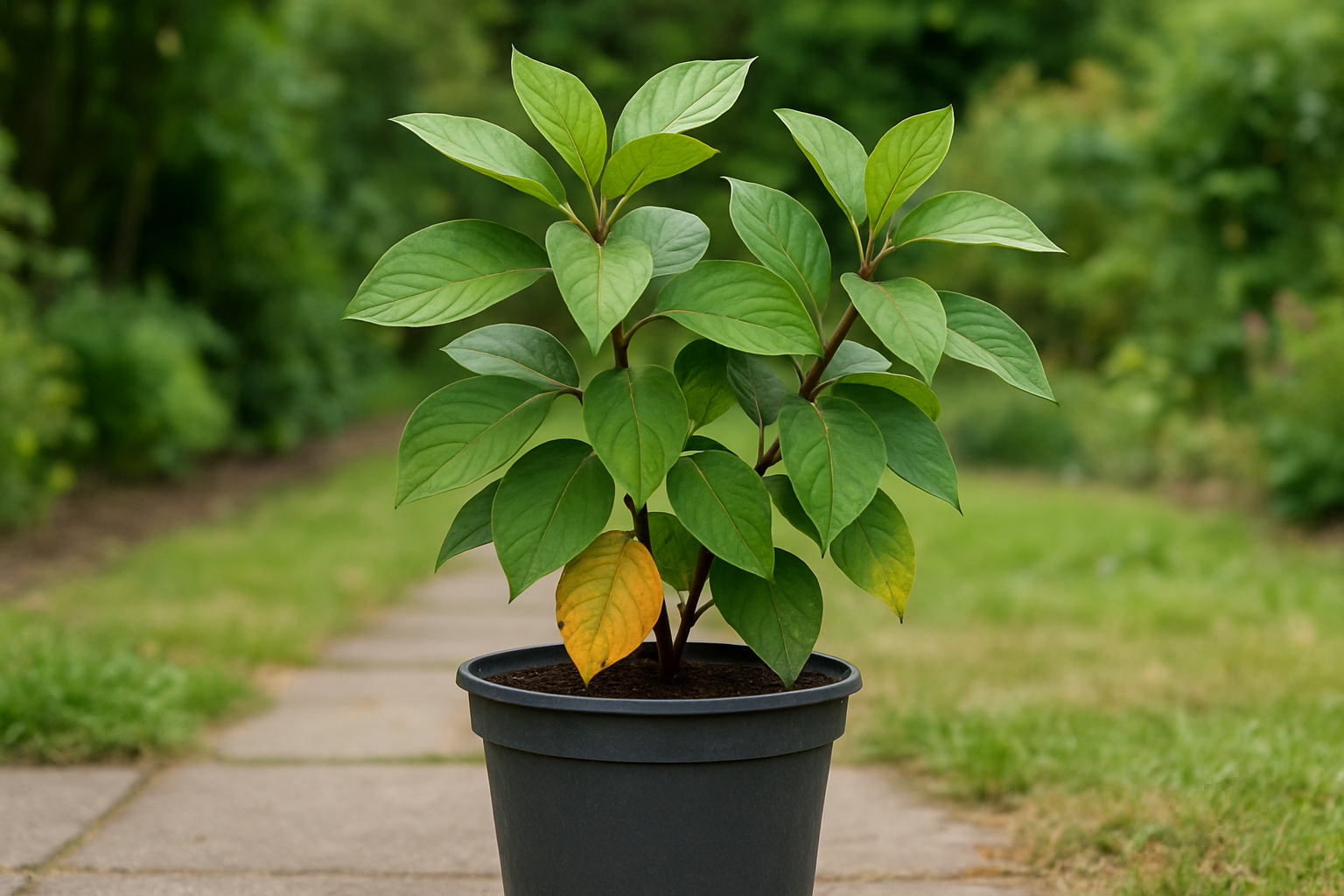
It can be disappointing when your garden plants don’t flower as expected. There are several reasons why this might happen, and most can be addressed with a bit of patience and observation. Here you’ll find practical advice to help you understand and respond to common flowering issues in a wide range of garden plants.
Common Causes of Lack of Flowering
- Light conditions: Many garden plants need a certain amount of sunlight to produce flowers. Too much shade can reduce or prevent blooming.
- Incorrect pruning: Pruning at the wrong time or too heavily can remove flower buds before they have a chance to develop.
- Over-fertilizing: Excessive use of fertilizer, especially those high in nitrogen, can encourage leafy growth at the expense of flowers.
- Young or newly planted: Some plants need time to establish before they start flowering regularly. This is normal, especially in the first year after planting.
- Weather and season: Cold, wet, or unusually dry periods can delay or reduce flowering. Some plants may skip a season if conditions are not right.
What Can You Do If Your Plant Isn’t Flowering?
- Check if your plant is getting enough sunlight for its general type. If possible, move it to a sunnier spot or trim back overhanging branches.
- Review your pruning routine. Avoid pruning in late autumn or early spring unless you are sure it’s suitable for your plant type. When in doubt, prune lightly and only remove dead or damaged wood.
- Be cautious with fertilizer. If you’ve been feeding regularly, try reducing the amount or frequency. Too much fertilizer can do more harm than good.
- Give new or young plants time. Many garden plants need a season or two to settle in before they flower reliably.
- Observe the weather and be patient. Sometimes, a plant simply needs a better season to bloom.
When Is Patience Needed?
Some garden plants naturally take longer to flower, especially after planting or a harsh winter. If your plant looks healthy otherwise—good leaf color, steady growth, no obvious pests or diseases—waiting another season is often the best approach. Avoid drastic changes unless you see clear signs of stress.
Related topics
Frequently Asked Questions
- Should I add extra fertilizer if my plant isn’t flowering?
- Be careful with extra fertilizer. Too much, especially nitrogen-rich types, can actually reduce flowering and cause more leafy growth. If you suspect a nutrient shortage, consider a balanced approach and avoid overfeeding.
- Can pruning affect flowering?
- Yes, pruning at the wrong time or too heavily can remove flower buds. Always check if your plant flowers on old or new wood, and when in doubt, prune lightly and after flowering.
- Is it normal for new garden plants not to flower in the first year?
- Yes, many garden plants need time to establish roots before they start flowering regularly. It’s common for young or recently moved plants to skip a season of blooms.
Introgreen Plantcoach
Plant advice and finder
Get help with plant care, plant problems and pests, or find suitable plants from the Introgreen assortment.