
Recognising and Treating Frost Damage in Garden Plants
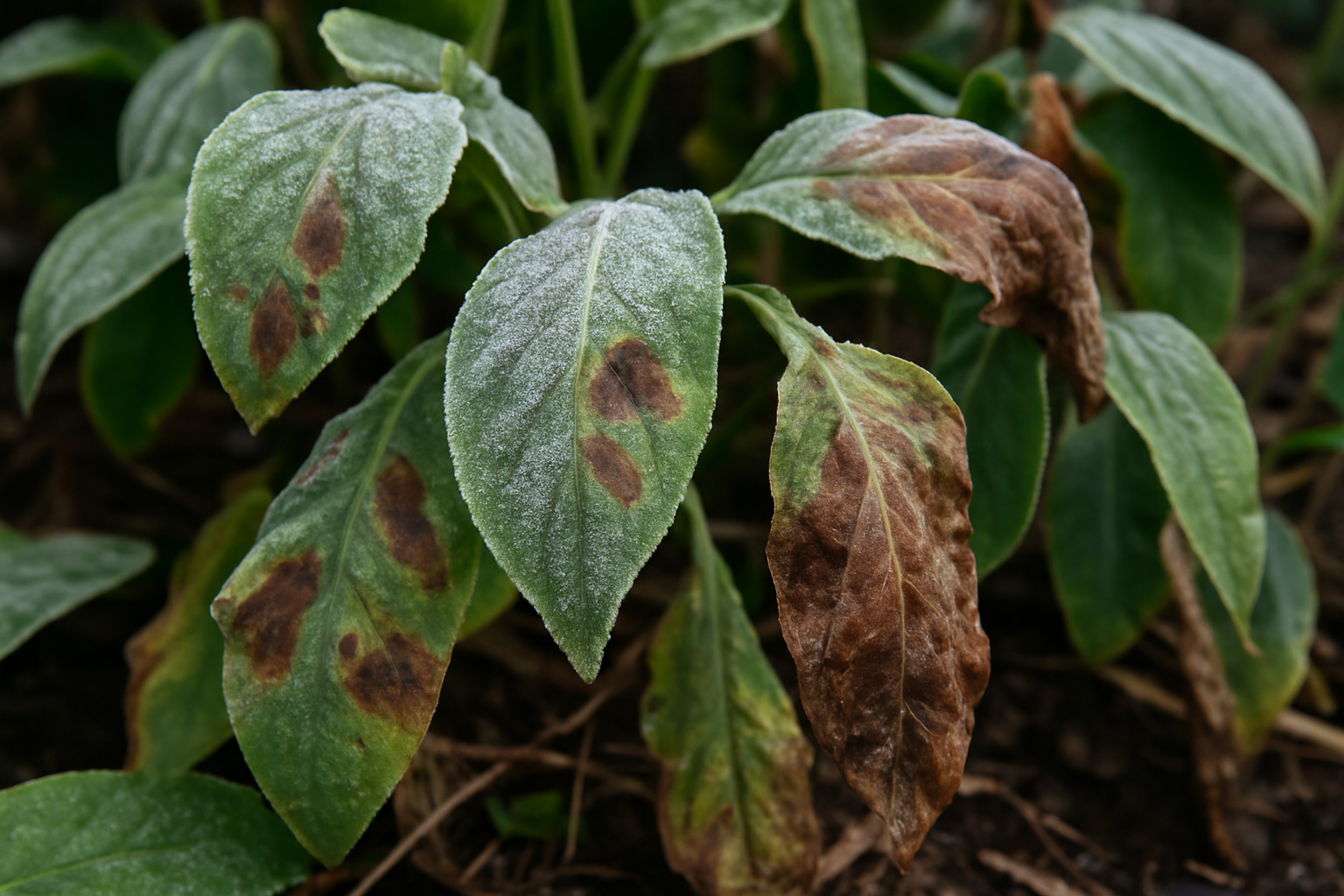
How to Recognise Frost Damage
Frost damage often appears after a cold night, especially in late spring or early autumn. Typical signs include limp, soft or translucent leaves, brown or black spots, and sometimes a general drooping of stems. Some plants may show damage only on the upper or most exposed parts. Not all symptoms appear immediately; some leaves may deteriorate over several days.
Immediate Actions for Frost Damage
- Wait until midday before assessing the full extent of the damage. Some leaves may recover as temperatures rise.
- Avoid removing damaged leaves or stems right away. Pruning too soon can expose healthy tissue to further cold or infection.
- If frost is expected again, consider covering sensitive plants overnight with a breathable material.
Recovery and Aftercare
- Once the risk of frost has passed and damaged parts are clearly dead or mushy, you can carefully remove them with clean tools.
- Keep the soil slightly moist but avoid overwatering, as damaged roots may be more sensitive to rot.
- Give the plant time to recover. New growth may appear from healthy stems or the base in the following weeks.
- Monitor for signs of rot or fungal problems, especially after severe frost.
Related topics
Frequently Asked Questions about Frost Damage
- Should I remove frozen leaves immediately?
- It's best to wait until the plant has fully thawed and the risk of further frost has passed. Removing damaged leaves too soon can expose healthy tissue to new cold or infection. Once you are sure which parts are dead, you can prune them away carefully.
- Can a plant fully recover from frost damage?
- Many garden plants can recover from mild frost damage, especially if the roots and main stems remain healthy. Severe damage may slow growth or cause lasting effects. Give the plant time and monitor for new shoots in the following weeks.
- How can I prevent frost damage in the future?
- Check the weather forecast during cold periods and cover sensitive plants overnight with a breathable material. Placing plants in more sheltered spots or choosing varieties suited to your local climate can also help reduce the risk.
Introgreen Plantcoach
Plant advice and finder
Get help with plant care, plant problems and pests, or find suitable plants from the Introgreen assortment.
Start with a plant question
Choose a route or ask your own question below.