
Leaf Loss in Garden Plants: Causes & Recovery
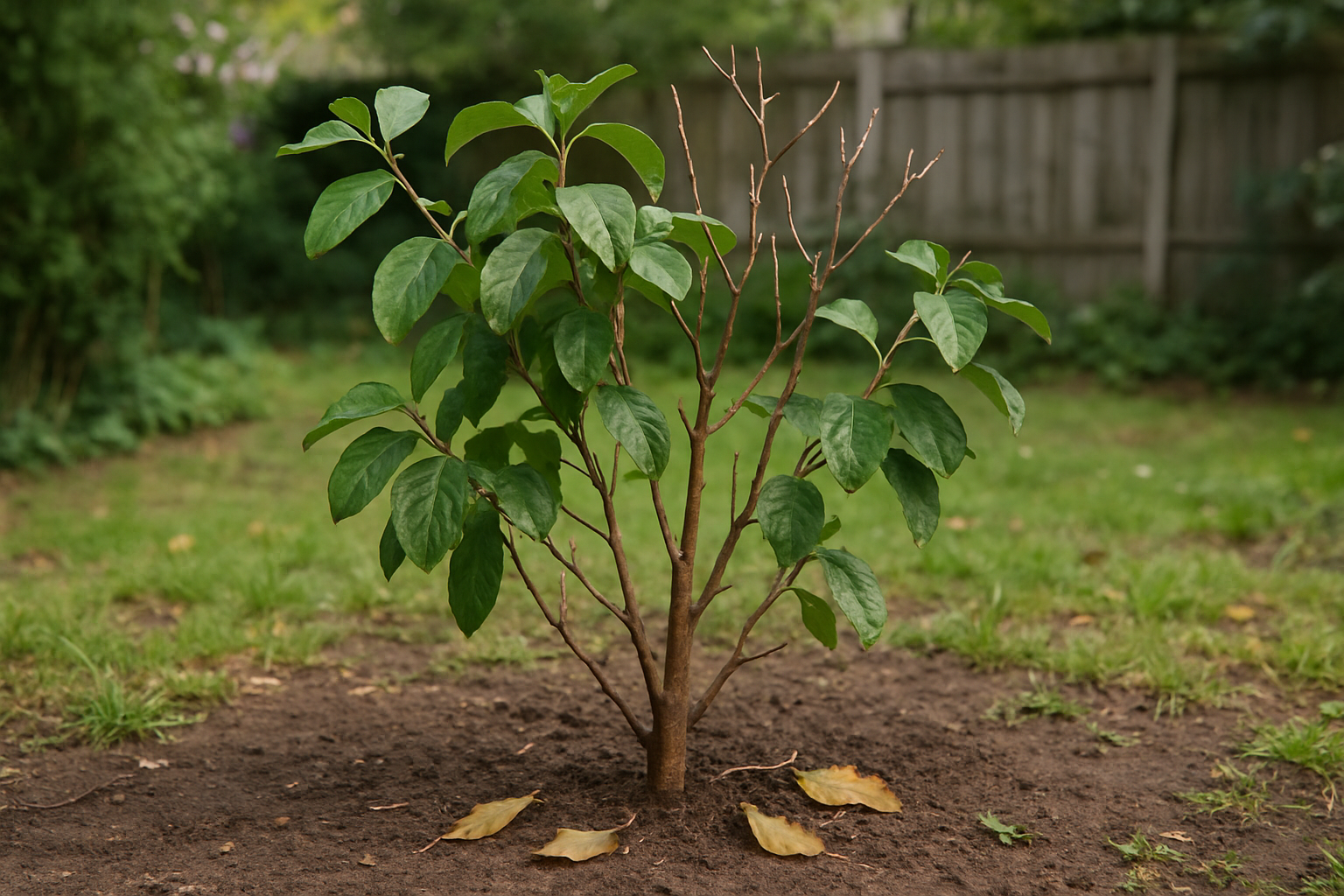
Why Do Plants Lose Their Leaves?
Leaf loss in garden plants can happen for several reasons. Seasonal changes, such as autumn leaf drop, are natural for many plants. Other causes include drought, waterlogging, sudden temperature changes, or pest and disease pressure. Sometimes, leaf loss is a plant's way of coping with stress or adjusting to new conditions.
When Is Leaf Loss Normal?
It's normal for many plants to shed older leaves as part of their growth cycle. Deciduous plants lose all their leaves in autumn, while evergreens may drop some older leaves throughout the year. After planting or transplanting, temporary leaf loss can also occur as the plant adapts. If new growth appears healthy, occasional leaf drop is usually not a concern.
What Can You Do About Excessive Leaf Loss?
- Check soil moisture: Both dry and waterlogged soil can cause leaves to drop. Feel the soil around the roots and adjust watering if needed.
- Look for pests or diseases: Inspect leaves and stems for signs of insects or fungal spots. Address issues early if you notice damage. Read more about common garden pests.
- Protect from extreme weather: Sudden cold, heat, or wind can stress plants. If possible, provide shelter or extra care during harsh conditions.
- Be patient: If the plant is otherwise healthy and new buds are forming, it may recover on its own. Avoid overreacting with extra water or fertilizer unless you know the cause.
- Review recent changes: Consider if the plant was recently moved, pruned, or exposed to a new environment. Some leaf loss is a normal response to change.
Frequently Asked Questions
- Is leaf loss always a sign of disease?
- No, leaf loss is not always caused by disease. Many plants naturally shed leaves as part of their growth cycle or in response to seasonal changes. However, if you notice other symptoms like spots, pests, or wilting, further investigation is recommended.
- Can garden plants recover from leaf loss?
- Most garden plants can recover from moderate leaf loss, especially if new buds or shoots are visible. Recovery depends on the underlying cause and the plant's overall health. Providing stable conditions and avoiding overwatering or overfertilizing can help support regrowth.
- When should I worry about my plant losing leaves?
- If leaf loss is sudden, severe, or accompanied by other symptoms such as discoloration, wilting, or visible pests, it's a good idea to check for underlying problems. Persistent or unexplained leaf drop may require closer inspection or advice from a local expert.
Introgreen Plantcoach
Plant advice and finder
Get help with plant care, plant problems and pests, or find suitable plants from the Introgreen assortment.