Garden Plants: Sun or Shade?
What Do Sun, Partial Shade, and Shade Mean?
When choosing a spot for your garden plants, it's important to understand the difference between sun, partial shade, and shade:
- Full sun: The spot receives at least 6 hours of direct sunlight per day, usually between late morning and late afternoon.
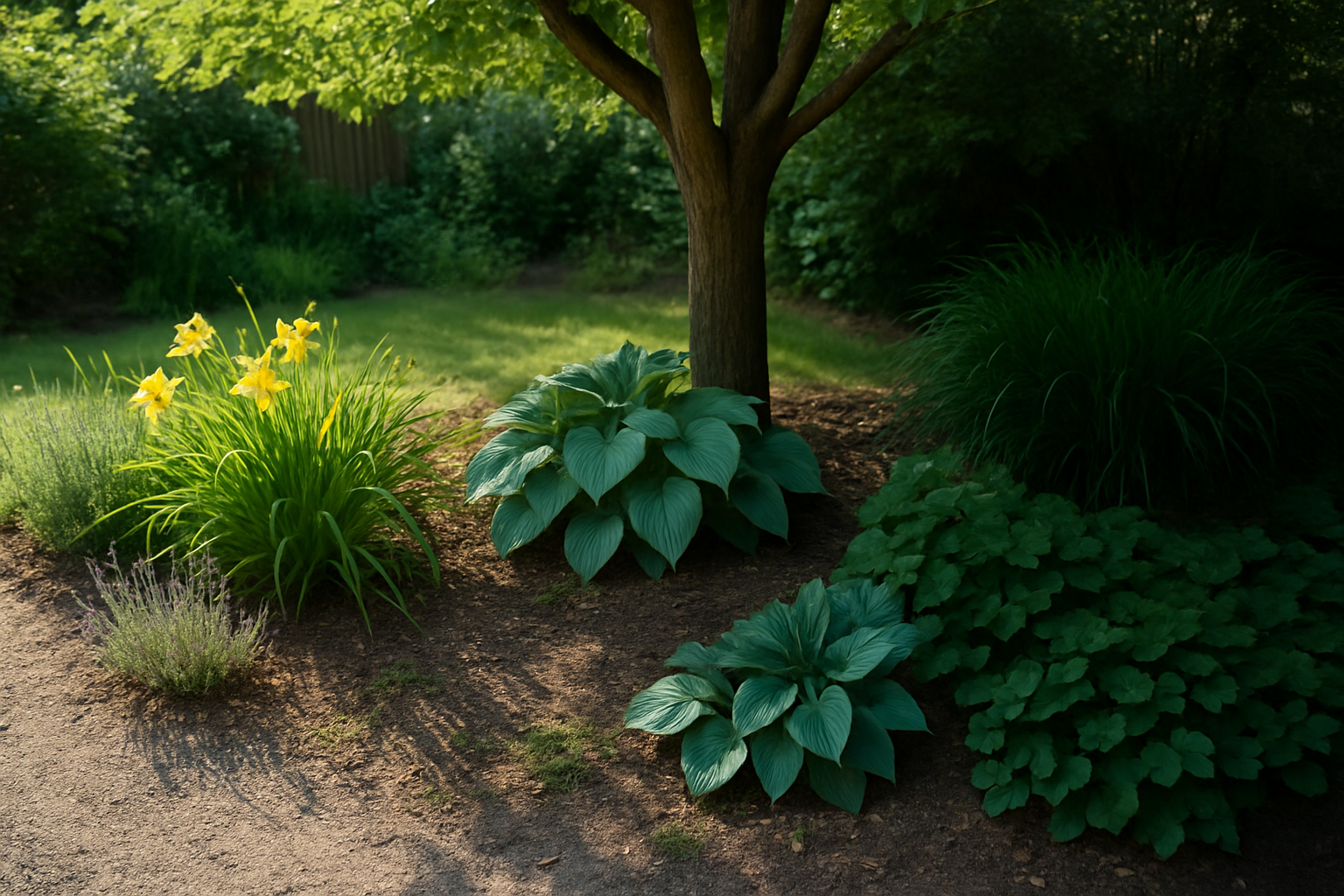
- Partial shade: The area gets filtered sunlight or direct sun for 2–5 hours, often in the morning or late afternoon. Dappled light under trees is also considered partial shade.
- Full shade: The spot receives less than 2 hours of direct sunlight per day, often shaded by buildings, fences, or dense trees.
Most garden plants have a preference, but many can adapt to a range of light conditions with some care.
How to Recognize the Right Spot in Your Garden
Observe your garden throughout the day to see where the sun falls and for how long. Keep in mind that the sun's path changes with the seasons. A spot that is sunny in spring may be shaded in summer due to tree leaves.
- Check the area at different times (morning, midday, afternoon) to note sun exposure.
- Look for signs of existing plant growth: sun-loving plants often have smaller, tougher leaves, while shade-tolerant plants may have larger, thinner leaves.
- Remember that walls, fences, and trees can cast longer shadows as the day progresses.
Common Problems When Plants Are in the Wrong Place
- Too much sun: Leaves may become pale, scorched, or curl up. The plant may wilt quickly, even if the soil is moist.
- Too much shade: Plants may grow leggy, with long stems and fewer leaves. Flowering and growth can be reduced.
- Uneven growth: Plants may lean toward the light or develop uneven shapes.
If you notice these signs, consider moving the plant or providing some shade or extra light, depending on the situation.
Related advice
Frequently Asked Questions
- What happens if a shade plant is placed in full sun?
- Shade-loving plants may develop pale or scorched leaves, wilt more quickly, or show signs of stress if exposed to too much direct sunlight. If you notice these symptoms, try moving the plant to a shadier spot.
- Can sun-loving plants also grow in shade?
- Most sun-loving plants will survive in partial shade, but their growth may be slower and flowering can be reduced. In deep shade, these plants may become leggy and weak.
- How can I tell if my plant is getting the right amount of light?
- Healthy, steady growth and normal leaf color are good signs. If your plant is stretching toward the light, has pale leaves, or is not flowering as expected, it may need a different spot with more or less sunlight.
- Is tuinplanten-algemeen toxic to dogs and cats?
- tuinplanten-algemeen is generally considered toxic to dogs and cats. Its sap can irritate the mouth, skin or stomach if leaves are chewed or swallowed. Keep the plant out of reach of pets and contact a veterinarian if symptoms occur or if you are unsure.
Introgreen Plantcoach
Plant advice and finder
Get help with plant care, plant problems and pests, or find suitable plants from the Introgreen assortment.
Start with a plant question
Choose a route or ask your own question below.