
Problems After Repotting or Moving Plants
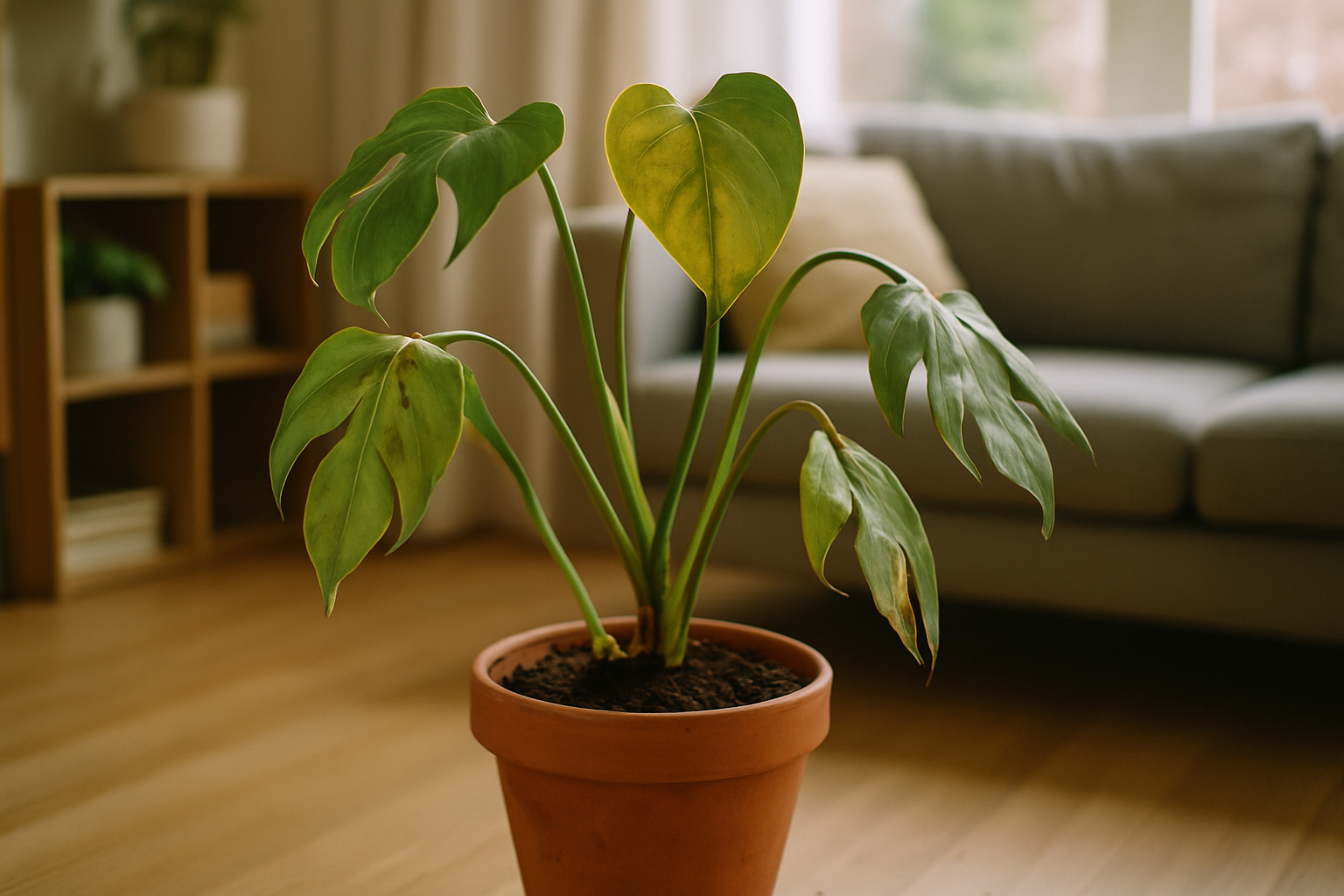
Repotting or moving a plant can be a stressful experience for both you and your green companion. It's not unusual to see some drooping, yellowing, or even leaf drop in the days or weeks after the change. This page helps you quickly recognise common symptoms, understand the causes, and take practical steps to support your plant's recovery—whether it's a houseplant or a garden plant.
Common Symptoms After Repotting
- Drooping or limp leaves
- Yellow or brown leaf edges
- Leaf drop (sometimes quite a lot)
- Slowed or paused growth
- Wilting despite moist soil
These symptoms are usually a sign of temporary stress, not permanent damage. Most plants recover with a little patience and the right care.
Quick Diagnosis: Indoor vs. Outdoor Plants
Houseplants often react to repotting with drooping or yellowing leaves, especially if roots were disturbed. Sudden changes in light or temperature after moving can also cause stress. See examples of common houseplants after repotting.
Garden plants may show leaf drop, brown edges, or even stop growing for a while after being moved or repotted. Outdoor conditions like wind, sun, or cold can make symptoms worse. See examples of common garden plants after repotting.
First Aid Steps
- Give the plant time to adjust. Avoid moving it again or making big changes for at least a week.
- Check soil moisture. Only water if the top few centimeters of soil feel dry. Overwatering is a common mistake after repotting.
- Keep out of direct hot sun. Place the plant in bright, indirect light until it perks up.
- Do not fertilize right away. Wait a few weeks before feeding, unless the plant is showing active new growth.
- Remove only severely damaged leaves. Let the plant keep as much healthy foliage as possible for recovery.
For a detailed step-by-step guide, visit First Aid After Repotting.
When Should You Worry?
Most plants bounce back within a few weeks. However, if you notice:
- Persistent wilting despite correct watering
- Soft, mushy stems or roots (possible root rot)
- Complete leaf loss with no sign of new growth after a month
These may be signs of a more serious problem. See When to Worry After Repotting for more details.
Examples: Houseplants & Garden Plants
These examples show what typical post-repotting stress looks like and how recovery can progress.
Frequently Asked Questions
- Why is my plant drooping after repotting?
- Drooping is a common reaction to root disturbance and the change in environment. Most plants recover within a few days to weeks if kept in stable conditions and not overwatered.
- How long does recovery take after repotting?
- Recovery time varies by plant type and season. Many houseplants perk up within 1–3 weeks, while some garden plants may take a month or more to show new growth.
- What should I do if leaves turn yellow or brown?
- Remove only leaves that are fully yellow or brown and crispy. Keep the rest, as partially damaged leaves still help the plant recover. Check that soil is not too wet or dry.
- Can I put my plant straight in the sun after repotting?
- It's best to avoid direct hot sun for a week or two after repotting. Bright, indirect light helps reduce stress while roots re-establish.
- Is it normal for my plant to stop growing after repotting?
- Yes, a temporary pause in growth is normal as the plant focuses on root recovery. Growth usually resumes once the plant has adjusted.
- Is plant-na-verpotten toxic to dogs and cats?
- plant-na-verpotten is generally considered toxic to dogs and cats. Its sap can irritate the mouth, skin or stomach if leaves are chewed or swallowed. Keep the plant out of reach of pets and contact a veterinarian if symptoms occur or if you are unsure.
Introgreen Plantcoach
Plant advice and finder
Get help with plant care, plant problems and pests, or find suitable plants from the Introgreen assortment.