
Examples: Houseplants After Repotting or Moving
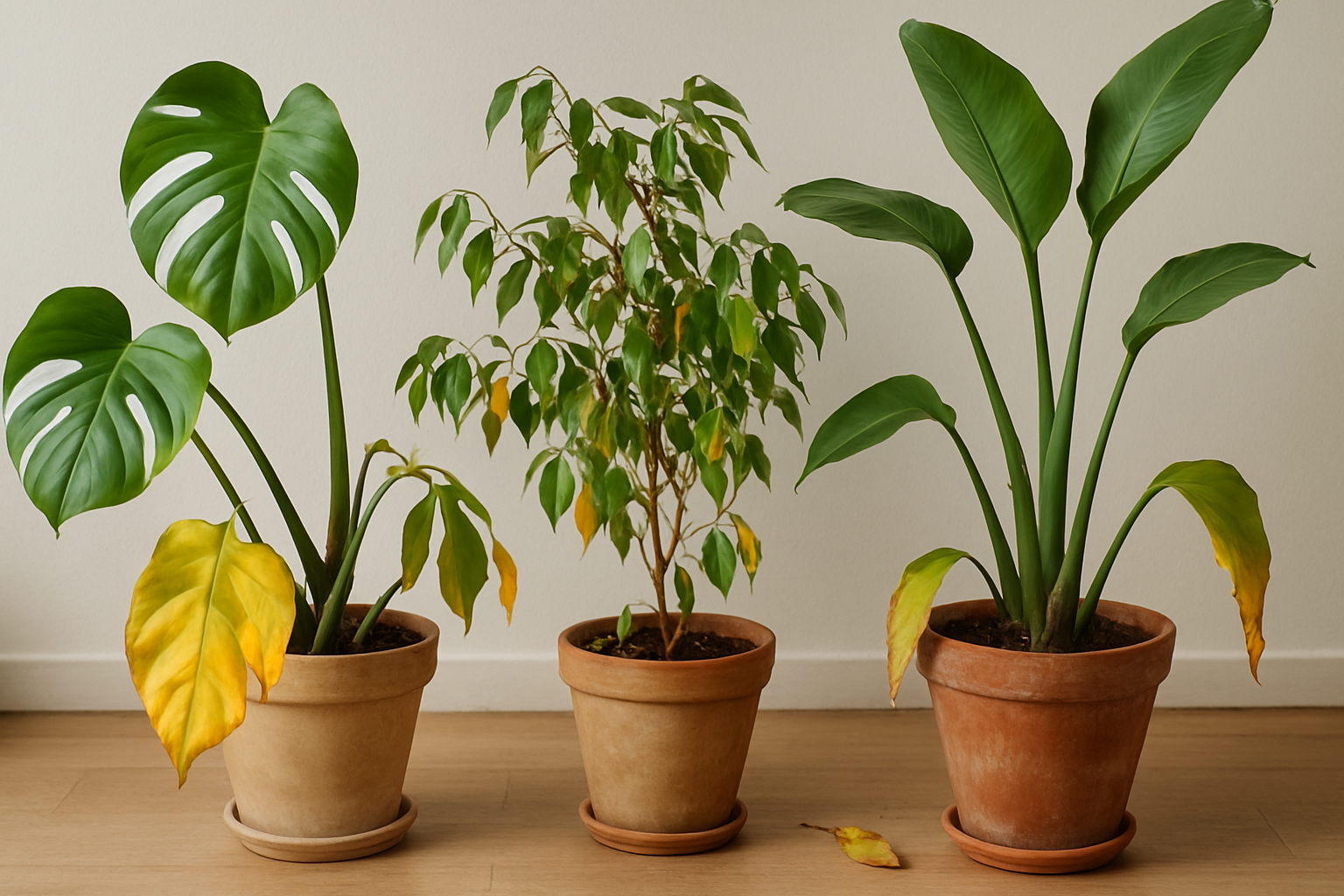
Repotting or moving your houseplant can be a stressful experience for both plant and owner. It's common to notice changes in appearance or growth in the days and weeks after. Below, you'll find practical examples of what to expect with popular indoor plants, and how to support their recovery.
Monstera: Drooping Leaves After Repotting
Monstera plants are known for their large, dramatic leaves. After repotting, it's normal for the leaves to droop or look less perky for a while. This is usually a temporary response to root disturbance. If the soil is only slightly moist and the plant is not in direct sun, most Monsteras recover within a few weeks. Avoid overwatering, as soggy soil can slow recovery.
Ficus: Leaf Drop After Moving
Ficus species, such as Ficus benjamina or Ficus elastica, are sensitive to changes in their environment. After moving or repotting, it's common for them to drop some leaves. This can look alarming, but as long as the plant has healthy roots and is kept in a stable spot with indirect light, new leaves usually appear in the following weeks or months. Sudden drafts or direct sunlight can worsen leaf drop.
Strelitzia: Yellow Edges After Repotting
Strelitzia (Bird of Paradise) may develop yellow or brown edges on older leaves after repotting. This is often a reaction to root disturbance or a brief period of over- or underwatering. Remove only fully yellowed leaves if desired, and allow the plant to adjust in a bright, draft-free spot. New growth should look healthy if the plant settles in well.
General Tips for Houseplants After Repotting or Moving
- Keep the plant in a stable, bright spot out of direct sunlight for the first week.
- Check the soil moisture with your finger before watering; only water if the top few centimeters feel dry.
- Avoid fertilizing for at least 4-6 weeks after repotting.
- Do not panic if you see some leaf drop or yellowing—this is often temporary.
- Monitor for signs of root rot (persistent wilting, mushy stems, foul smell) and act if needed.
Related advice
Frequently Asked Questions
- Is it normal for a monstera to droop after repotting?
- Yes, it's common for monstera leaves to droop for several days or even a couple of weeks after repotting. As long as the roots are healthy and the soil is not too wet, the plant usually recovers on its own.
- How long does it take for a ficus to recover?
- Ficus plants may drop leaves for up to several weeks after being moved or repotted. New growth typically appears within 1-2 months if the plant is otherwise healthy and kept in stable conditions.
- Can a strelitzia recover from yellow leaves?
- Strelitzia can often recover from mild yellowing, especially if new growth looks healthy. Remove only fully yellowed leaves and avoid overwatering while the plant adjusts.
- Are houseplants toxic to pets after repotting?
- The toxicity of a houseplant does not change after repotting. Some common houseplants (such as Monstera and Ficus) can be mildly toxic to pets if ingested. Always check the specific plant species for pet safety and keep out of reach if needed.
Introgreen Plantcoach
Plant advice and finder
Get help with plant care, plant problems and pests, or find suitable plants from the Introgreen assortment.