
First Aid for Problems After Repotting or Moving Plants
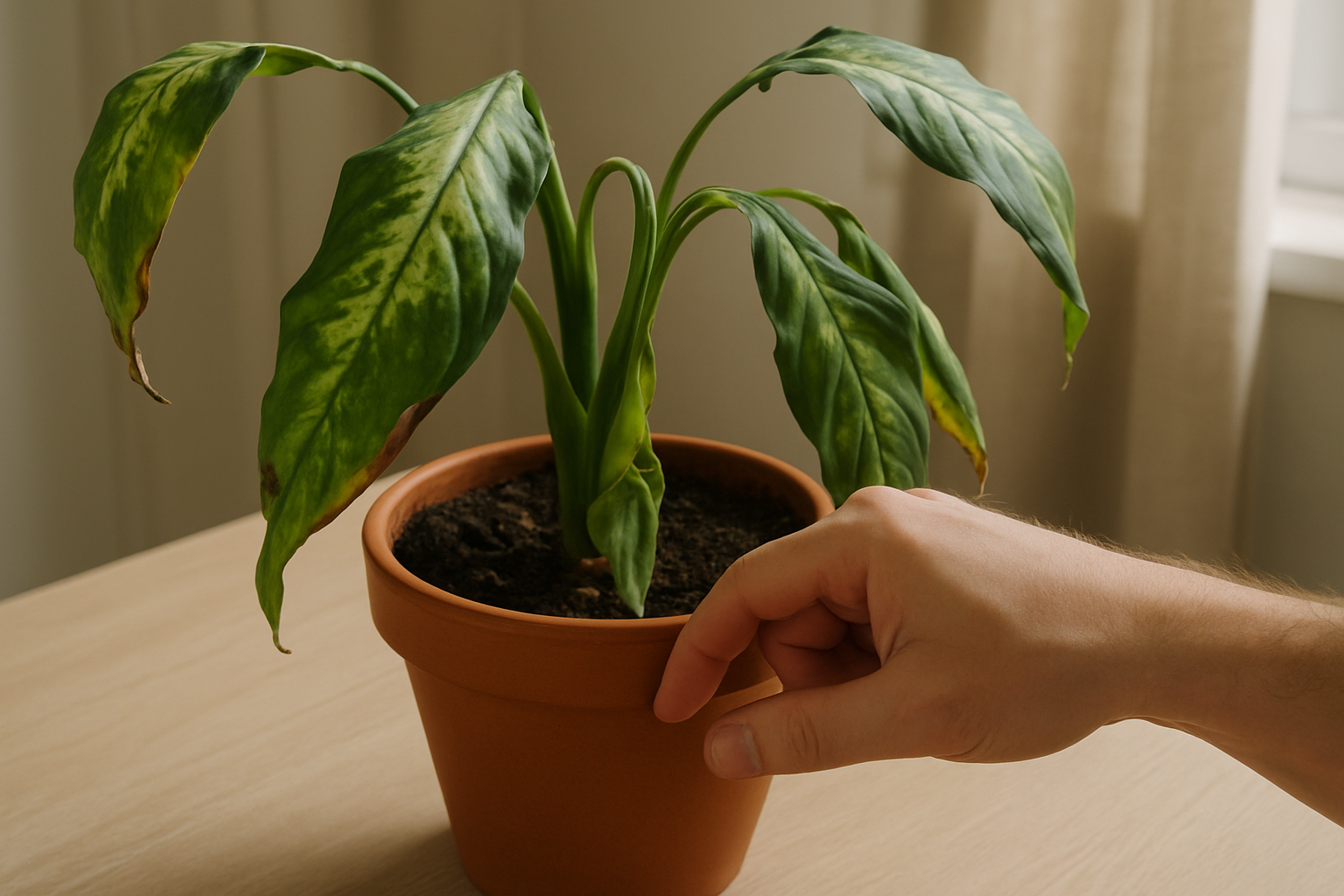
Repotting or moving a plant can be stressful for both you and your green friend. If your plant is drooping, losing leaves, or showing yellow or brown spots after a recent move, don't panic. Most plants need a little time to adjust, and with a few careful steps, you can help them recover.
Stabilize the Plant: Rest and Placement
- Place the plant in a spot with stable, indirect light. Avoid direct sun or drafty areas for now.
- Try not to move the plant again during the first week after repotting or relocating.
- Keep the environment calm—no sudden temperature changes or heavy watering.
Check Moisture and Drainage
- Gently press your finger 2–3 cm into the soil. If it feels dry, water lightly. If it’s still moist, wait before watering again.
- Ensure excess water can drain freely from the pot. Empty any water collected in the saucer after 15 minutes.
- For outdoor plants, check that the soil is not waterlogged after rain.
Inspect Roots Only for Severe Symptoms
- If your plant is wilting badly, losing most leaves, or smells rotten, gently lift it from the pot to check the roots.
- Healthy roots are firm and white or light brown. Mushy, dark, or foul-smelling roots may indicate rot.
- Remove only clearly rotten roots with clean hands or scissors, then repot in fresh soil.
Avoid Overcorrection
- Don’t fertilize immediately after repotting—wait at least 4–6 weeks, unless the plant is actively growing and shows no stress.
- Avoid trimming healthy leaves or stems. Remove only fully yellowed or dead parts.
- Resist the urge to water too often. Most plants recover better if the soil is allowed to dry slightly between waterings.
When to Wait and When to Act?
- Mild drooping or a few yellow leaves are normal and usually improve within 1–3 weeks.
- If symptoms worsen after a week, or if you see signs of rot, revisit your care routine or check the roots.
- For persistent problems, see When to Worry? for more guidance.
Need more background?
Frequently Asked Questions
- Should I water immediately after repotting?
- Usually, yes—water lightly after repotting to settle the soil around the roots. However, if the soil was already moist or the plant is showing signs of overwatering, wait until the top few centimeters feel dry.
- Can I fertilize after repotting?
- It's best to wait 4–6 weeks before fertilizing. Fresh soil often contains enough nutrients, and extra fertilizer can stress recovering roots.
- What if my plant is still drooping after a week?
- Some drooping is normal, but if there’s no improvement after a week, check for root issues, overwatering, or unsuitable placement. Adjust care as needed and be patient—recovery can take several weeks.
- When should I repot again?
- Only repot again if you discover severe root rot or the plant was placed in the wrong soil. Otherwise, avoid disturbing the roots twice in a short period.
- How can I reduce stress next time?
- Repot during the plant’s active growing season, handle roots gently, and avoid drastic changes in light or temperature. Prepare the new pot and soil before starting to minimize root exposure.
Introgreen Plantcoach
Plant advice and finder
Get help with plant care, plant problems and pests, or find suitable plants from the Introgreen assortment.
Start with a plant question
Choose a route or ask your own question below.