
When Should You Worry After Repotting or Moving a Plant?
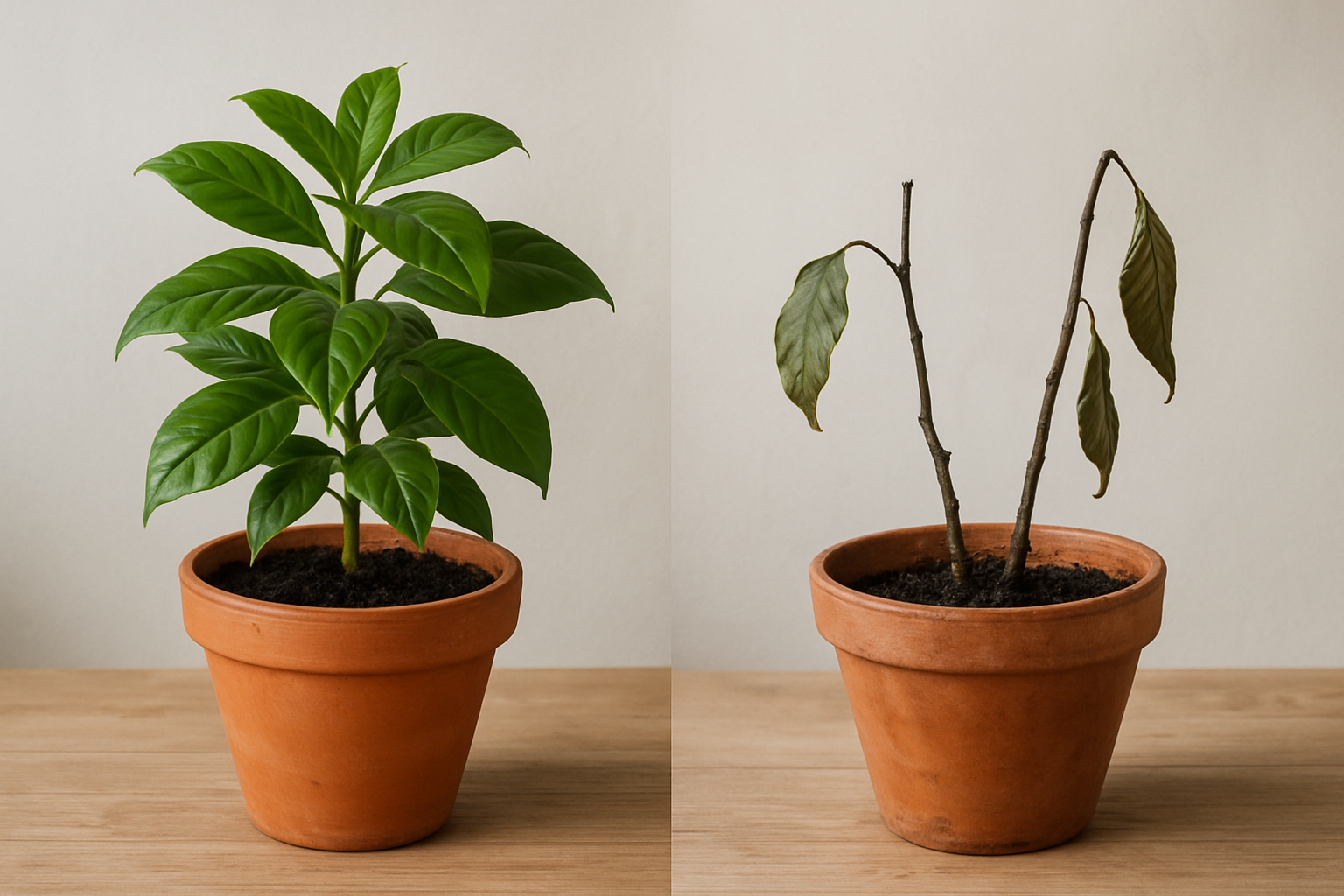
Repotting or moving a plant can be stressful for both you and your green friend. Some changes—like drooping leaves or a short pause in growth—are normal and usually temporary. But how do you know when a plant is just adjusting, and when it’s time to step in?
Normal Recovery Responses
- Mild drooping or limp leaves: Many plants look a bit sad for a few days after repotting or moving. This is often a short-term reaction to root disturbance or a new environment.
- Some leaf yellowing or minor leaf drop: A few older leaves may yellow or fall off as the plant redirects energy to root recovery.
- Slower growth: It’s common for plants to pause growth for a week or two while they settle in.
- Soil drying out more quickly or slowly than before: New pots or soil mixes can change how water drains and is retained.
Signs of Serious Problems
- Persistent wilting: If the plant remains limp for more than 7–10 days, especially if the soil is moist, this could signal root damage or rot.
- Rapid or widespread leaf loss: Losing most leaves in a short time is not typical and may mean the plant is struggling to recover.
- Black, mushy, or foul-smelling roots: These are classic signs of root rot and need quick attention.
- Brown or black spots spreading on leaves or stems: This may indicate infection or severe stress.
- No signs of recovery after 2–3 weeks: If the plant shows no new growth or improvement, further investigation is needed.
When to Seek Help?
If you notice any of the serious symptoms above, it’s wise to act sooner rather than later. Gently check the roots if you suspect rot, and remove any mushy or blackened parts. If you’re unsure, consider asking for advice with clear photos of the plant and its roots.
What If the Plant Doesn’t Recover?
Some plants take longer to bounce back, especially larger or older specimens. However, if there’s no improvement after a month, or if symptoms worsen, it may be time to reassess the plant’s environment, watering routine, or even the soil. Sometimes, despite best efforts, a plant may not survive severe root damage or stress.
Frequently Asked Questions
- How long can a plant look limp after repotting?
- Most plants recover from drooping within a week, but some may take up to two weeks. If limpness lasts longer, check for root issues or overwatering.
- When is leaf drop a cause for concern?
- Losing a few leaves is normal, but rapid or extensive leaf loss—especially if new leaves are affected—can signal a bigger problem like root rot or shock.
- What if the roots start to rot?
- If you notice black, mushy, or foul-smelling roots, remove the affected parts and let the healthy roots dry slightly before replanting. Adjust watering and ensure good drainage.
- Can a plant fully recover after severe stress?
- Some plants can regrow even after losing many leaves, but recovery depends on the extent of root damage and the plant’s overall health. Patience and gentle care are key, but not all plants will survive severe stress.
Introgreen Plantcoach
Plant advice and finder
Get help with plant care, plant problems and pests, or find suitable plants from the Introgreen assortment.