
Examples: Garden Plants After Repotting or Moving
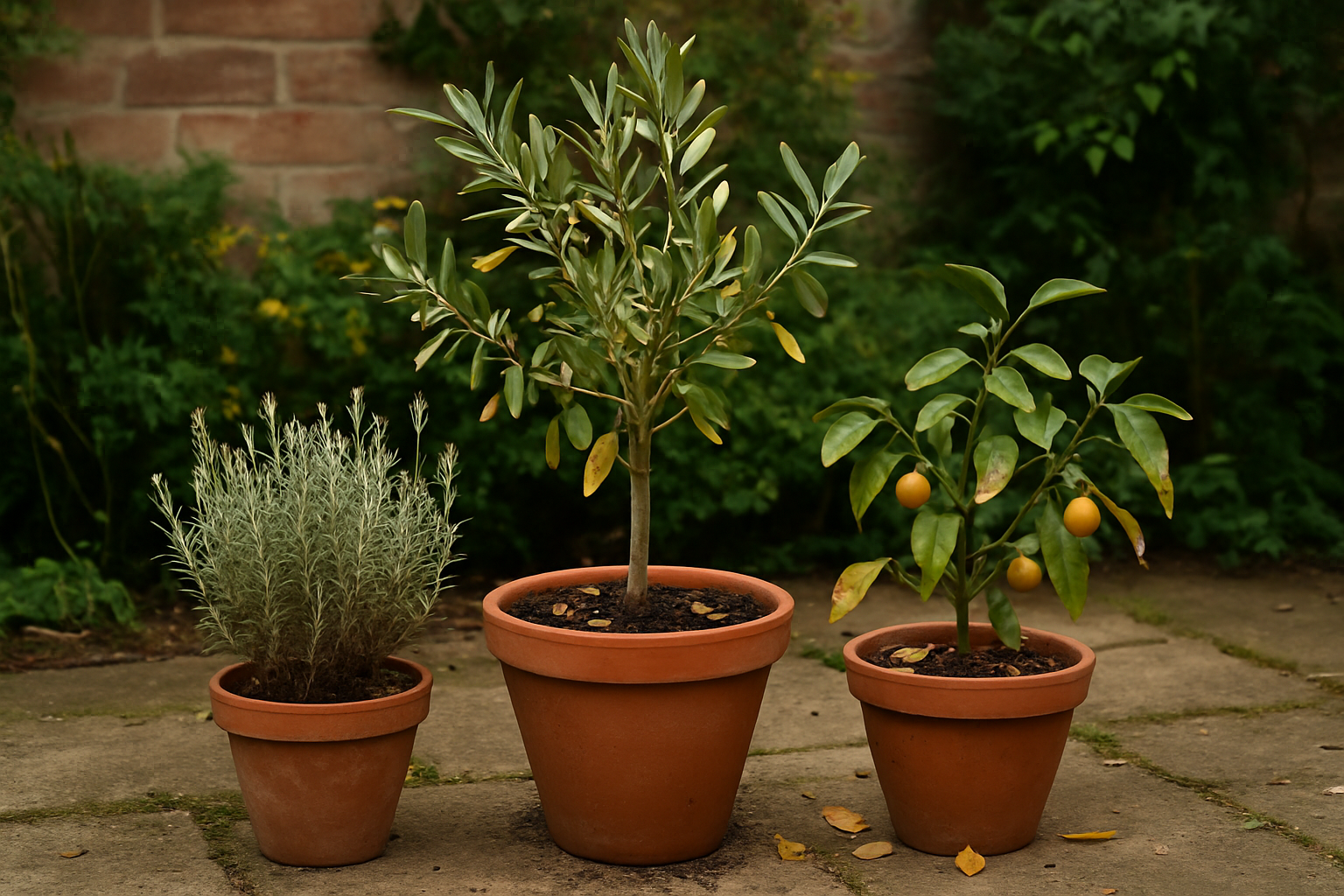
Repotting or moving garden plants can be a stressful event, even for hardy species. It’s common to notice changes like leaf drop, brown edges, or a temporary pause in growth. Below, we share practical examples of what you might see in popular outdoor plants, and what you can realistically expect during their recovery.
Olive Tree: Leaf Drop After Repotting
Olive trees (Olea europaea) are known for their resilience, but after repotting or moving, they often shed some leaves. This is a typical stress response and usually not a sign of permanent damage. Leaf drop may be more pronounced if the roots were disturbed or if the plant experienced a sudden change in light or temperature. If new growth appears within a few weeks, your olive tree is likely on the mend.
Lavender: Brown Edges After Moving
Lavender (Lavandula) can develop brown or crispy leaf edges after being moved or repotted, especially if the roots were exposed or the soil stays too wet. This is often a reaction to root disturbance or a temporary mismatch in moisture. Trim away the worst affected parts, avoid overwatering, and give the plant a few weeks to adjust. Healthy new shoots are a good sign of recovery.
Citrus: Growth Pause and Yellow Leaves
Citrus plants (such as lemon or orange) may stop growing for several weeks after repotting or moving. Yellowing leaves are also common, especially if the roots were damaged or the plant is adjusting to a new spot. Make sure the soil drains well and the plant is not exposed to cold drafts. If the yellowing is limited and new leaves eventually appear, the plant is likely recovering.
General Tips for Garden Plants
- Keep newly repotted or moved plants out of harsh midday sun for the first week, especially during hot weather.
- Check soil moisture regularly, but avoid keeping the soil constantly wet.
- Be patient—most outdoor plants need several weeks to fully recover from repotting stress.
- If you see signs of severe wilting, mushy stems, or spreading leaf loss, review first aid steps or consult a plant expert.
Related advice
Frequently Asked Questions
- Is it normal for an olive tree to lose leaves after repotting?
- Yes, olive trees often drop some leaves after being repotted or moved. This is a common stress response. As long as the plant shows new growth within a few weeks, there is usually no cause for concern.
- Can lavender recover from brown leaf edges?
- Lavender can often recover from brown or crispy edges if the roots are healthy and the plant is not overwatered. Trim away damaged parts and allow time for new growth to appear.
- How long does it take citrus plants to recover?
- Citrus plants may pause growth and show yellow leaves for several weeks after repotting or moving. With proper care, most will resume healthy growth within one to two months.
- Should I protect garden plants from frost after repotting?
- Yes, newly repotted or moved garden plants are more sensitive to cold. If frost is expected, provide temporary protection or move potted plants to a sheltered spot until they are well established.
Introgreen Plantcoach
Plant advice and finder
Get help with plant care, plant problems and pests, or find suitable plants from the Introgreen assortment.