
Parlor palm (Chamaedorea elegans): Care, Problems & More

Introduction & Key Features
The Parlor palm, also known as Chamaedorea elegans or parlor palm, is a popular indoor plant thanks to its elegant, feathery leaves and compact growth. It thrives in homes and offices, especially where bright but indirect light is available. This palm is appreciated for its easy-going nature and ability to adapt to typical indoor conditions.
Quick Care Tips
- Light: Prefers partial shade or filtered daylight. Avoid direct sun, which can scorch the leaves.
- Water: Keep the soil lightly moist, but not soggy. Let the top layer dry slightly before watering again.
- Humidity: Enjoys moderate humidity. Occasional misting can help, especially in dry rooms.
- Temperature: Best kept between 16–24°C. Protect from cold drafts and sudden temperature changes.
- Soil: Use a well-draining potting mix suitable for houseplants.
Is the Parlor palm Pet-Friendly?
The Parlor palm is generally considered less toxic to cats and dogs than many other houseplants. However, individual pets may react differently, and some sources suggest mild stomach upset is possible if large amounts are ingested. If you have concerns about your pet's safety, or if your animal has eaten part of the plant, always consult your veterinarian for advice.
Overview: Care, Problems, Pests, Propagation & Types
- Care instructions: Detailed advice on light, water, humidity, pruning, and more.
- Common problems: How to spot and solve issues like brown tips or yellow leaves.
- Pests: Recognizing and preventing spider mites, thrips, and other insects.
- Propagation: Tips for growing new palms from seed or division.
- Varieties & related palms: Compare Chamaedorea elegans with other indoor palms.
Popular parlor palms
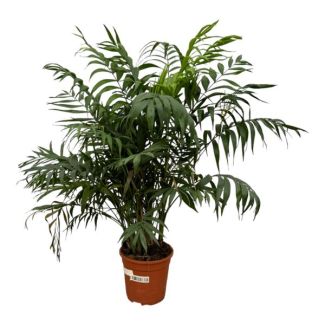
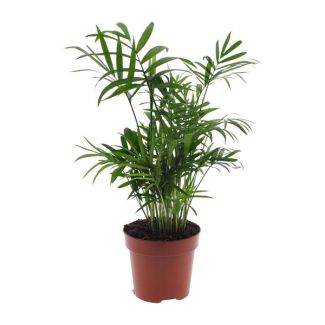
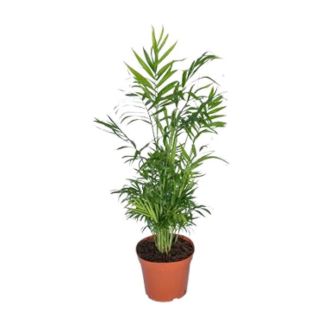
More About the Parlor palm
Frequently Asked Questions
- What is a Parlor palm?
- The Parlor palm (Chamaedorea elegans) is a compact, slow-growing palm native to Central America. It is widely grown as a houseplant for its graceful, feather-like leaves and tolerance of indoor conditions.
- Is the Parlor palm safe for pets?
- This palm is generally considered less toxic to cats and dogs than many other houseplants. However, reactions can vary, and mild stomach upset is possible if ingested. If you are unsure or if your pet has eaten part of the plant, consult your veterinarian.
- How much light does the Parlor palm need?
- It prefers bright, indirect light or partial shade. Direct sunlight can cause leaf burn, while too little light may slow growth and cause yellowing.
- What are common problems with this palm?
- Common issues include brown leaf tips (often due to dry air or inconsistent watering), yellowing leaves (from overwatering or lack of nutrients), and occasional pest infestations like spider mites or thrips.