
Parlor palm Propagation: Tips for Beginners

Would you like to grow your own Parlor palm (Chamaedorea elegans)? While it’s not the fastest or easiest houseplant to propagate, it can be a rewarding project for patient plant lovers. On this page, we explain the main propagation methods: from seed and by division. We’ll also cover common mistakes and what to expect along the way.
Can You Propagate the Parlor palm from Cuttings?
Unfortunately, you cannot propagate Chamaedorea elegans from stem or leaf cuttings. This palm does not produce shoots that root easily like some other houseplants. The two practical methods are growing from seed or dividing a mature clump.
Propagation by Seed
- Obtain fresh seeds. Seeds are sometimes available from specialist suppliers or from ripe fruit on mature plants. Freshness is important—old seeds may not germinate.
- Soak the seeds. Place seeds in lukewarm water for 24 hours to soften the outer shell.
- Prepare a seed tray. Use a shallow tray with moist, well-draining potting mix. Press seeds gently into the surface and cover lightly with soil.
- Provide warmth and humidity. Place the tray in a warm spot (20–25°C) with indirect light. Covering with a clear lid or plastic wrap can help maintain humidity.
- Be patient. Germination can take several weeks to a few months. Keep the soil consistently moist but not soggy.
- Transplant seedlings. Once seedlings have a few true leaves and are large enough to handle, carefully move them to individual pots.
Propagation by Division
- Choose a mature, multi-stemmed plant. Division works best on older palms with several stems growing from the base.
- Remove the plant from its pot. Gently loosen the root ball and shake off excess soil.
- Separate the clump. Using your hands or a clean knife, carefully divide the root mass so that each section has roots and at least one healthy stem.
- Pot up the divisions. Plant each section in its own pot with fresh, moist potting soil.
- Water and care. Keep the new plants in a warm, shaded spot and water regularly, but avoid waterlogging. Some leaf loss is normal after division.
When Is the Best Time to Propagate?
Spring and early summer are ideal for both seed sowing and division. Warmer temperatures and longer days help new roots and shoots develop more quickly.
Common Mistakes
- Using old or dry seeds: These are unlikely to germinate.
- Overwatering: Soggy soil can cause seeds or divisions to rot.
- Dividing too small or young plants: Only mature, multi-stemmed palms can be divided successfully.
- Impatience: Seedlings grow slowly and may take years to reach a noticeable size.
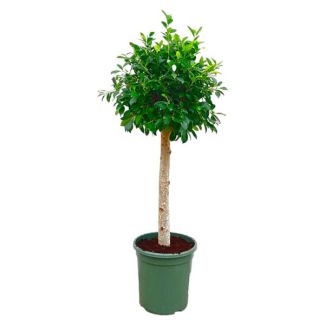
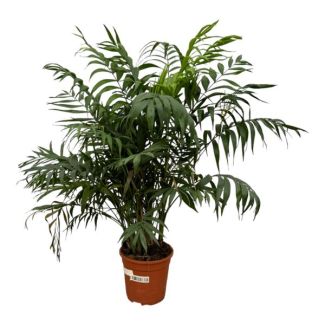
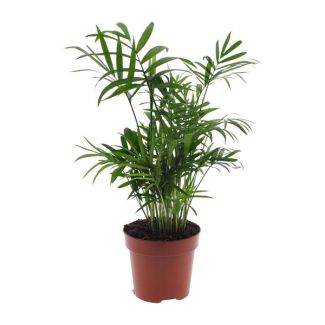
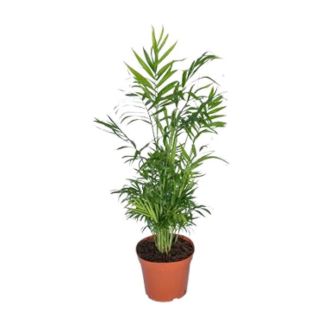
Popular parlor palms
Frequently Asked Questions
- Can I propagate the Parlor palm from cuttings?
- No, Chamaedorea elegans cannot be propagated from stem or leaf cuttings. Propagation is possible by seed or by dividing a mature clump.
- How do I sow Parlor palm seeds?
- Soak fresh seeds for 24 hours, sow them in moist potting mix, and keep them warm and humid. Germination can take several weeks to months. Patience is important.
- When is the best time to propagate?
- Spring and early summer are the best times for both seed sowing and division, as the plant is actively growing.
- How long does it take for a seedling to grow?
- Seedlings grow slowly. It may take several months for seeds to germinate and several years for a young plant to reach a noticeable size.