
Caring for the Parlor palm: Keep Your Plant Thriving

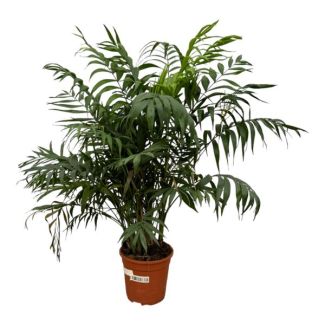
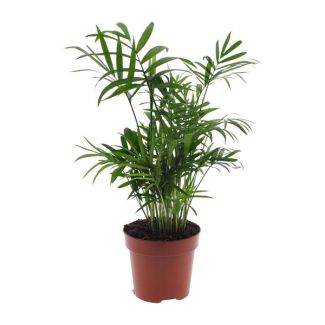
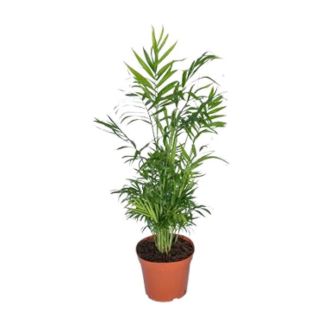
The Parlor palm, also known as Chamaedorea elegans or parlor palm, is a classic indoor plant loved for its soft, feathery leaves and easy-going nature. With the right care, this palm can bring a gentle, green touch to your home for many years. Below you'll find practical, down-to-earth advice to help your palm stay healthy and happy.
Light Needs: Bright Indirect or Partial Shade
The Parlor palm prefers bright, indirect light or partial shade. Direct sunlight can scorch its leaves, causing brown tips or faded patches. Place your palm near a north- or east-facing window, or a few meters from a brighter window with filtered light. It can tolerate lower light, but growth may slow and the plant may look less full.
Watering: How and When?
Keep the soil lightly moist but never soggy. Water when the top 2–3 cm (about an inch) of soil feels dry to the touch. In most homes, this means watering every 1–2 weeks, but always check the soil first. In winter, the plant needs less water. Avoid letting the pot sit in excess water, as this can cause root rot.
Humidity and Temperature
The Parlor palm enjoys moderate to high humidity. If your home is dry, especially in winter, occasional misting or placing the plant in a naturally humid room (like a bathroom with a window) can help. Ideal temperatures are between 16–24°C (60–75°F). Avoid cold drafts and sudden temperature drops.
Soil and Feeding
Use a well-draining, peat-free potting mix suitable for houseplants. Feed lightly with a balanced liquid fertilizer during the growing season (spring and summer), about once a month. Do not fertilize in autumn or winter when growth slows.
Pruning and Brown Leaf Tips
It's normal for older leaves to develop brown tips or edges. Trim these with clean scissors if you wish, cutting just the brown part. Avoid removing too many healthy leaves at once. Brown tips are often caused by dry air, inconsistent watering, or a build-up of minerals from tap water.
Repotting
Repot your Parlor palm every 2–3 years, or when roots begin to grow out of the drainage holes. Choose a pot only slightly larger than the current one to avoid overwatering issues.
Common Care Mistakes
- Overwatering: Always check soil moisture before watering.
- Too much direct sun: Can cause leaf burn.
- Very dry air: Leads to brown tips.
- Using a pot without drainage: Increases risk of root rot.
FAQ: Is the Parlor palm Toxic to Pets?
The Parlor palm (Chamaedorea elegans) is generally considered non-toxic to cats and dogs. However, individual pets may react differently, and it's always wise to prevent pets from chewing on houseplants. If you have concerns about your pet's health, consult your veterinarian.
Frequently Asked Questions
- How often should I water my Parlor palm?
- Water when the top 2–3 cm of soil feels dry. This is usually every 1–2 weeks, but always check the soil before watering, as needs vary with temperature and light.
- What is the best spot for my palm?
- Place your palm in bright, indirect light or partial shade. Avoid direct sunlight, which can cause leaf burn, and keep it away from cold drafts.
- What should I do about brown leaf tips?
- Brown tips are common and often caused by dry air, inconsistent watering, or mineral build-up. Trim brown tips with clean scissors and review your watering and humidity routine.
- Is the Parlor palm toxic to cats or dogs?
- The Parlor palm is generally considered non-toxic to cats and dogs. If you notice your pet chewing on the plant or showing symptoms, contact your veterinarian for advice.
Discover Parlor palms
Related Advice
Introgreen Plantcoach