
Parlor palm Problems: How to Solve Them

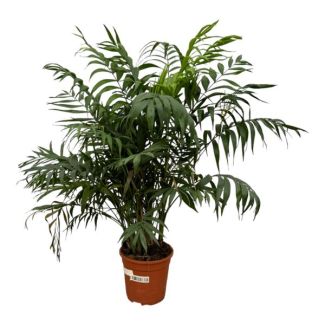
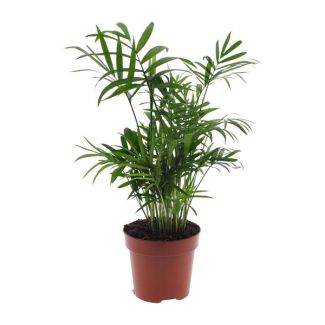
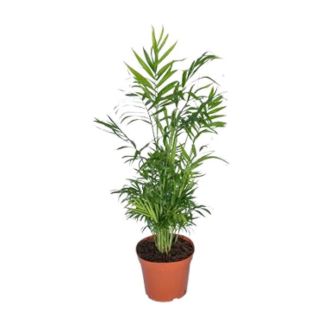
Even with the best care, the Parlor palm (Chamaedorea elegans) can sometimes show signs of stress. Brown leaf tips, yellowing leaves, or leaf drop are common issues for this popular indoor palm. Here, we explain how to recognize these problems, what causes them, and what you can do to help your plant recover.
Brown Leaf Tips: Causes & Solutions
Brown tips are one of the most common concerns with the Parlor palm. This usually happens when the air is too dry, the soil dries out too much between waterings, or if there's a buildup of minerals from tap water. To help:
- Keep the soil lightly moist, but not soggy. Let the top 2-3 cm of soil dry before watering again.
- If your home is dry (especially in winter), increase humidity by grouping plants or placing a shallow tray of water nearby.
- Use room-temperature water and, if possible, rainwater or filtered water to avoid mineral buildup.
- Trim brown tips with clean scissors if desired, but avoid cutting into the healthy green part.
Yellow Leaves
Yellowing leaves can have several causes:
- Overwatering: If the soil stays wet for too long, roots may suffocate. Let the top layer dry before watering again.
- Underwatering: If the plant is too dry, older leaves may turn yellow and drop.
- Natural aging: It's normal for the oldest leaves at the base to yellow and die off as the plant grows.
Remove yellowed leaves only when they are completely dry and crispy. If many leaves yellow at once, review your watering routine and check for drainage issues.
Leaf Drop
Sudden leaf drop is often a sign of stress, such as:
- Sudden changes in temperature or drafts
- Very dry or very wet soil
- Low light for extended periods
Try to keep the palm in a stable spot away from radiators, cold windows, or direct hot air. Adjust watering and light as needed.
Too Dry or Too Wet Soil
The Parlor palm prefers evenly moist soil. If the soil is bone dry, water thoroughly and let excess drain away. If the soil is soggy, allow it to dry out and check that the pot has drainage holes. Consistent overwatering can lead to root rot.
Lack of Light or Too Much Sun
This palm thrives in bright, indirect light. Too little light can cause slow growth and pale leaves, while direct sun may scorch the foliage. Place your palm near a window with filtered light or in a spot with light shade.
When Is It a Pest Problem?
If you notice sticky residue, webbing, or tiny moving insects, your palm may have a pest issue such as spider mites or thrips. For more on pest identification and solutions, see our Parlor palm pest advice.
Preventing Problems
- Check soil moisture regularly with your finger.
- Keep the palm away from radiators and cold drafts.
- Wipe leaves gently with a damp cloth to remove dust.
- Inspect for pests every few weeks, especially if you see leaf changes.
Frequently Asked Questions
- Why does my Parlor palm have brown leaf tips?
- Brown tips are usually caused by dry air, inconsistent watering, or mineral buildup from tap water. Try to keep the soil lightly moist and increase humidity if your home is dry. Using filtered or rainwater can also help.
- What should I do if the leaves turn yellow?
- Yellow leaves may result from overwatering, underwatering, or natural aging. Check your watering routine and make sure the pot drains well. Remove yellowed leaves only when they are dry.
- How can I prevent leaf drop?
- Keep the palm in a stable environment with consistent moisture and indirect light. Avoid drafts and sudden temperature changes. Regularly check soil moisture and adjust watering as needed.
- How do I know if my palm has a pest problem?
- If you see sticky residue, fine webbing, or tiny insects on the leaves, pests may be present. For more details on pest identification and solutions, visit our pest advice page.
Introgreen Plantcoach