
Parlor palm Varieties and Related Palms

Looking for a palm that fits your home? The parlor palm (Chamaedorea elegans), also known as the parlor palm, is a classic choice for indoor spaces. But there are several related palms that might also suit your style or care preferences. Here, we’ll help you compare the main types and understand their differences, so you can choose the palm that’s right for you.
Chamaedorea elegans: Key Features
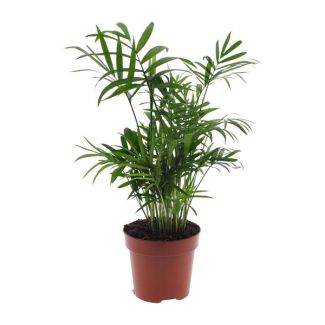
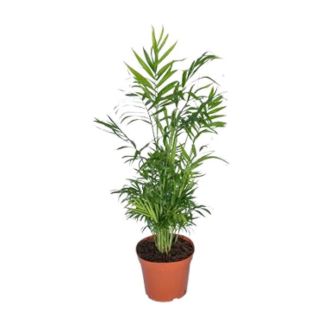
Chamaedorea elegans is the best-known parlor palm. It’s popular for its compact size, feathery green leaves, and ability to thrive in lower light. Mature plants usually reach 60–120 cm indoors. The leaves are slender and arching, with a soft texture. This palm is slow-growing and generally easy to care for, making it a favorite for homes and offices.
Comparing Other Chamaedorea Species
Within the Chamaedorea genus, there are several species grown as houseplants. Some you might encounter include:
- Chamaedorea metallica: Recognizable by its single, paddle-shaped, metallic blue-green leaves. It stays compact and tolerates lower light, but looks quite different from C. elegans.
- Chamaedorea seifrizii (Bamboo Palm): Taller and bushier, with multiple thin stems and narrow leaflets. It can grow up to 2 meters indoors and prefers bright, indirect light.
- Chamaedorea cataractarum (Cat Palm): Has dense, bushy foliage and grows wider than tall. It needs more humidity and regular watering compared to C. elegans.
While all these palms share a generally similar care routine, their appearance and growth habits vary. If you’re after a classic, compact palm, C. elegans is still the most popular choice.
Not to Be Confused With: Rhapis (Lady Palm)
Rhapis excelsa, or the lady palm, is sometimes mistaken for a dwarf palm due to its size and fan-shaped leaves. However, it belongs to a different genus. Rhapis palms have broader, segmented leaves and a bushier look. They’re also well-suited to indoor life and tolerate lower light, but their care needs can differ slightly—especially regarding humidity and watering.
Which Palm Is Right for You?
Choosing the right palm depends on your space, light conditions, and how much time you want to spend on care. Here’s a quick comparison:
- Chamaedorea elegans: Best for beginners, low light, and compact spaces.
- Chamaedorea seifrizii: Good for larger rooms and brighter spots.
- Chamaedorea metallica: Unique look, stays small, tolerates shade.
- Rhapis excelsa: Great for bushy, architectural foliage and adaptable to various conditions.
Still not sure? Explore our indoor palm collection to see what’s available and find the palm that fits your home best.
More about the Parlor palm
Frequently Asked Questions
- What is the difference between Chamaedorea elegans and other palms?
- Chamaedorea elegans is a compact, slow-growing palm with soft, feathery leaves, ideal for low-light indoor spaces. Other palms, like Chamaedorea seifrizii or Rhapis excelsa, may grow taller, have different leaf shapes, or need more light and humidity. Each species has its own look and care needs.
- Is the parlor palm the same as the lady palm?
- No, the parlor palm (Chamaedorea elegans) and the lady palm (Rhapis excelsa) are different species. The lady palm has broader, fan-shaped leaves and a bushier growth habit, while the parlor palm has slender, arching leaves.
- Which palm is best suited for indoor growing?
- Chamaedorea elegans is one of the most reliable indoor palms, especially for beginners and low-light spaces. Rhapis excelsa and Chamaedorea seifrizii are also good options if you have more space or want a different look. Consider your light levels and available space when choosing.
Introgreen Plantcoach