
Examples: Outdoor Potted Plants with Stress After Moving
Moving outdoor potted plants—whether it’s a seasonal shift from indoors to outdoors, repotting, or simply finding a sunnier spot—can sometimes lead to visible stress. Here, we share practical examples and tips for common garden plants like olive tree, citrus, lavender, and bay laurel. Recognizing the symptoms early helps you support your plants through the transition.
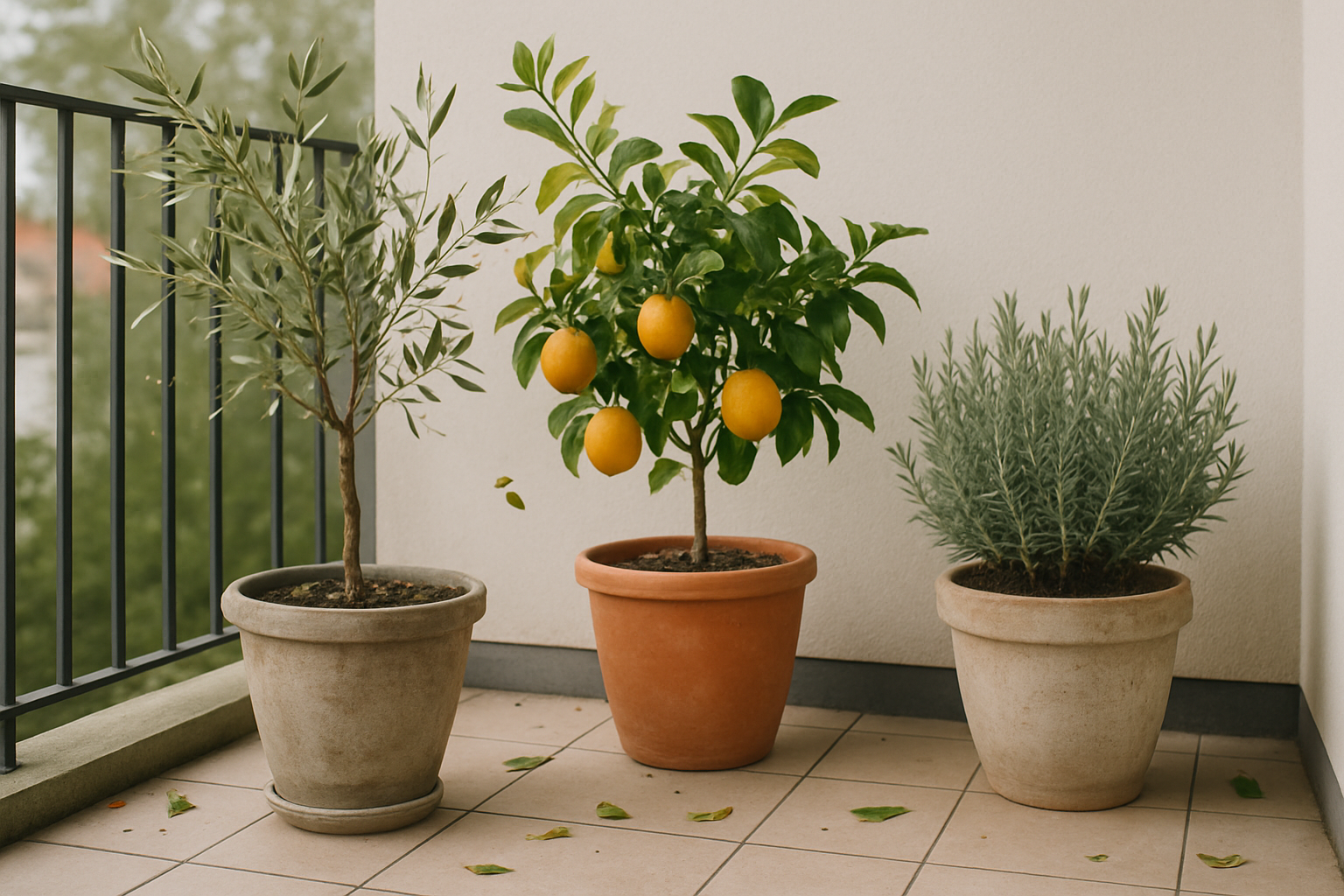
Olive Tree: Leaf Drop After Moving Indoors or Outdoors
Olive trees are sensitive to sudden changes in light and temperature. After moving, it’s common to see yellowing leaves or leaf drop, especially if the plant goes from indoors to outdoors (or vice versa). This is usually a temporary response as the tree adapts. Make sure the olive tree is not exposed to cold drafts or direct midday sun immediately after moving. Water only when the top few centimeters of soil feel dry.
Citrus: Yellow Leaves Due to Temperature Swings
Citrus plants, such as lemon or orange, can develop yellow leaves after being moved, particularly if night temperatures are still low or if there’s a big difference between indoor and outdoor conditions. Avoid moving citrus outside before night temperatures are consistently above 10°C (50°F). Place the pot in a sheltered spot with filtered sunlight for the first week, then gradually increase sun exposure.
Lavender: Wilting Stems After Repotting
Lavender may show drooping or wilting stems shortly after repotting or relocating. This is often due to root disturbance or a sudden change in moisture. Check that the pot drains well and avoid overwatering—lavender prefers to dry out between waterings. Remove any wilted stems to encourage new growth.
Bay Laurel: Brown Leaf Edges from Wind or Drafts
Bay laurel (Laurus nobilis) can develop brown, crispy leaf edges if exposed to strong wind or sudden drafts after moving. Place the plant in a spot protected from harsh wind, and avoid moving it on very windy days. Water when the soil surface feels dry, but do not let the roots sit in water.
General Tips for Outdoor Potted Plants
- Acclimate plants gradually to new light and temperature conditions.
- Check soil moisture regularly, but avoid overwatering.
- Remove dead or damaged leaves to reduce stress.
- Protect from strong wind and sudden temperature drops.
- Be patient—most plants recover within a few weeks if basic needs are met.
Read more about plant stress after moving:
Frequently Asked Questions
- Why does my olive tree lose leaves after being moved?
- Olive trees often drop leaves after a change in location due to sudden differences in light, temperature, or humidity. This is a natural response and usually temporary. Keep the plant in a stable spot and avoid overwatering while it adjusts.
- Can lavender recover from wilting stems?
- Yes, lavender can recover if the roots are healthy and the plant is not overwatered. Remove wilted stems and ensure the pot has good drainage. New growth should appear within a few weeks if conditions are right.
- Is bay laurel toxic to pets?
- Bay laurel (Laurus nobilis) leaves contain compounds that can be mildly toxic to pets if eaten in large quantities. Most pets avoid the plant, but it’s best to keep it out of reach of curious animals.
Introgreen Plantcoach
Plant advice and finder
Get help with plant care, plant problems and pests, or find suitable plants from the Introgreen assortment.