
Causes of Plant Stress After Moving
Have you just moved your plant to a new spot, or recently repotted it? It’s common for both indoor and outdoor potted plants to show signs of stress after a change. Understanding the main causes can help you spot what’s going on and support your plant’s recovery.
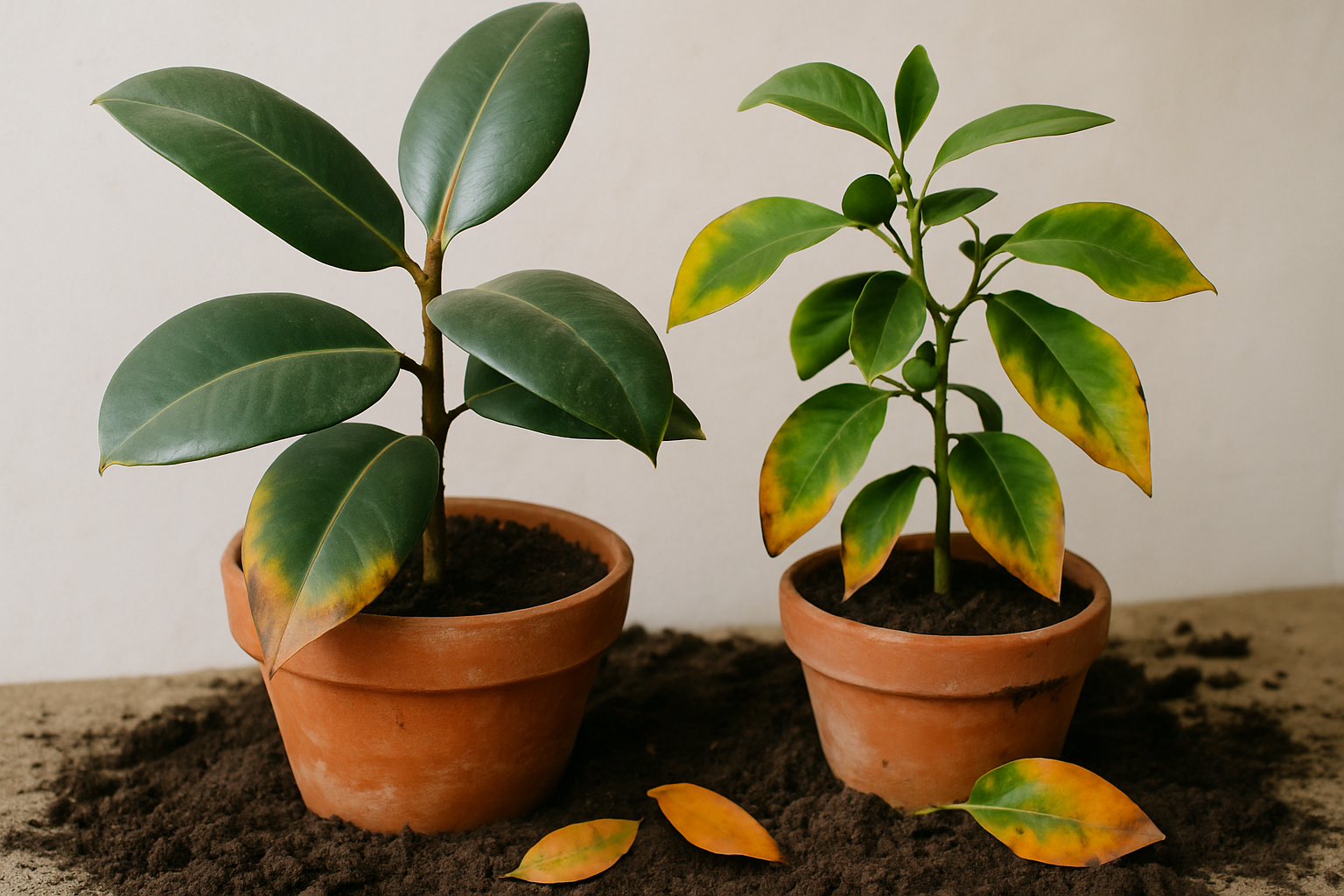
Light Changes and New Location
Plants are sensitive to changes in light. Moving a plant from a bright spot to a shadier area (or vice versa) can cause leaves to yellow, drop, or become limp. Even a small shift in direction or distance from a window can make a difference, especially for light-loving species like ficus or monstera.
Drafts and Temperature Swings
Sudden exposure to cold drafts, hot air, or fluctuating temperatures can stress plants. This is especially true for tropical houseplants and Mediterranean types like citrus and olive trees. Signs include brown leaf edges, leaf drop, or wilting.
Watering: Too Wet or Too Dry
After moving or repotting, a plant’s water needs may change. Overwatering is a common reaction, but soggy soil can suffocate roots. On the other hand, if the root ball dries out, leaves may wilt or crisp. Always check the soil moisture with your finger before watering again.
Root Disturbance from Repotting
Repotting often disturbs the roots, which can temporarily reduce the plant’s ability to take up water and nutrients. Some root loss is normal, but rough handling or breaking up the root ball too much can cause extra stress. Watch for drooping, yellowing, or slow recovery.
Moving Between Indoors and Outdoors
Plants like olive trees, citrus, and lavender are often moved between inside and outside with the seasons. A sudden change in light, humidity, or temperature can cause shock. Gradual acclimation helps, but some leaf loss is still normal.
Examples: Olive, Ficus, Citrus, Lavender
- Olive tree: May drop leaves after moving from indoors to outdoors, especially if nights are still cool.
- Ficus: Sensitive to drafts and light changes; leaf drop is common after a move.
- Citrus: Yellowing leaves often follow temperature swings or overwatering after repotting.
- Lavender: Can wilt if roots are disturbed or if the soil stays too wet after repotting.
Related advice
Frequently Asked Questions
- Can a plant get sick from drafts?
- Yes, many plants are sensitive to cold or hot drafts. Exposure can cause leaf edges to brown, leaves to drop, or growth to slow. Try to keep plants away from direct airflow from windows, doors, or radiators.
- What happens if a plant is moved outdoors too quickly?
- If a plant is moved outside suddenly, especially from a warm indoor spot, it may suffer from sunburn, leaf drop, or shock due to temperature and humidity changes. Gradual acclimation over several days is best.
- How can I recognize root damage after repotting?
- Signs of root damage include wilting, yellowing, or leaves that don’t perk up after watering. If you gently lift the plant, mushy or broken roots are a sign of stress. Most plants recover with stable care, but avoid disturbing the roots again.
Introgreen Plantcoach
Plant advice and finder
Get help with plant care, plant problems and pests, or find suitable plants from the Introgreen assortment.