
First Aid for Plant Stress After Moving
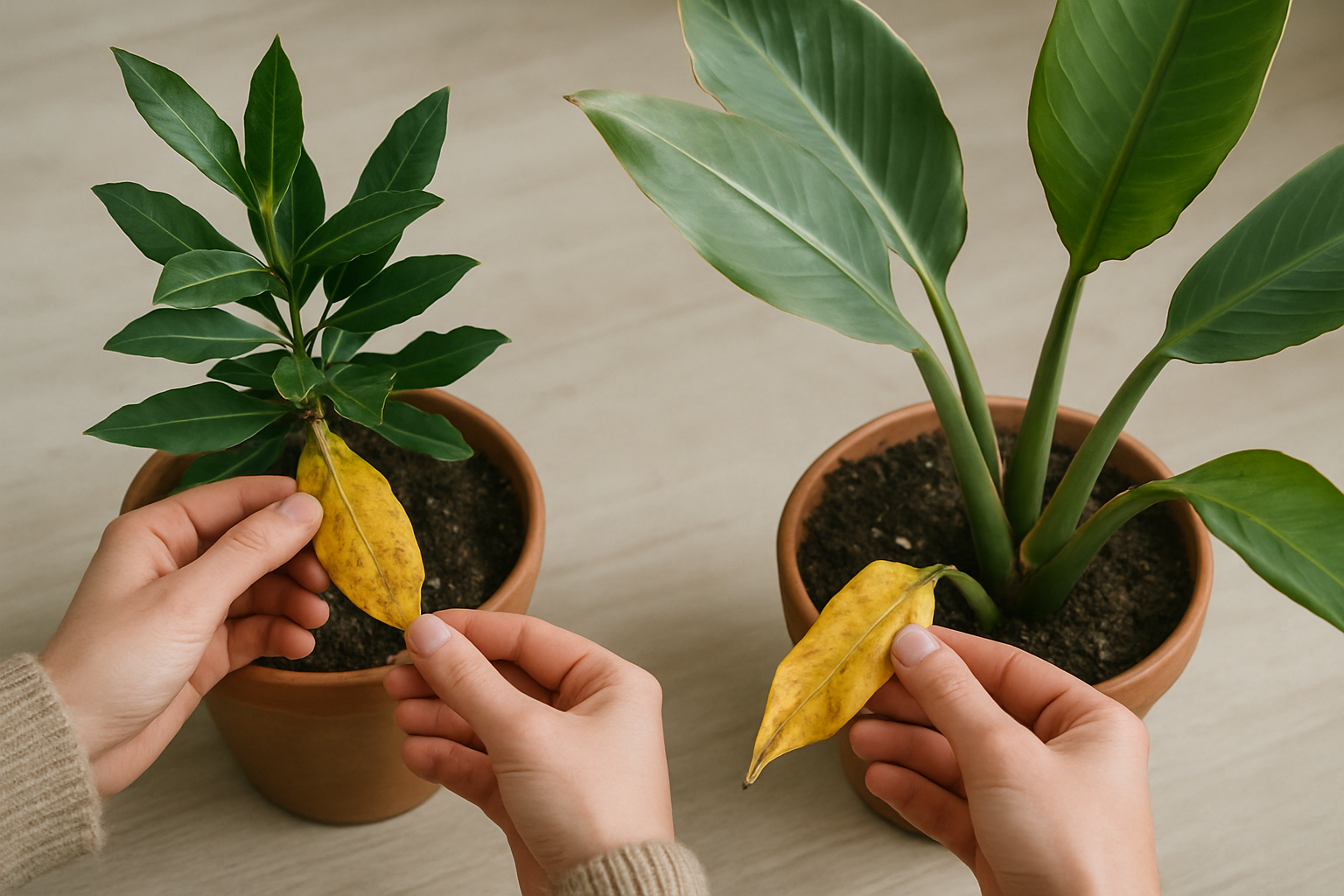
Has your plant started to look unhappy after being moved or repotted? This is a common reaction, and most plants can recover with a bit of care and patience. Below you'll find a practical checklist to help your plant get back on track.
Checklist: What to Do When Your Plant Shows Stress
- Keep the plant in a stable spot. Avoid moving it again. Choose a location with consistent light and temperature.
- Check the soil moisture. Gently press your finger into the soil. If it feels dry, water lightly. If it is still damp, wait before watering again.
- Ensure good drainage. Make sure excess water can escape from the pot. Empty any water from saucers or covers.
- Remove dead or yellowing leaves. Use clean scissors to trim away leaves or stems that are fully brown or mushy. This helps the plant focus on healthy growth.
- Be patient and avoid overcorrecting. Don’t add fertilizer or extra water unless you know the plant needs it. Too much change can make stress worse.
Keep the Location Stable
After moving or repotting, plants need time to adjust. Place your plant somewhere with steady light (not direct sun for most species) and away from drafts or heat sources. Avoid moving it again for at least a few weeks.
Check Soil and Drainage
Soil that stays too wet or too dry can slow recovery. If the top 2-3 cm of soil feels dry, water gently until excess drains out. If the soil is soggy, let it dry out a bit before watering again. Make sure the pot has drainage holes and is not sitting in water.
Adjust Watering (But Don’t Overdo It)
Plants often need less water right after moving, as their roots may be stressed. Check the soil before each watering. Overwatering is a common cause of further stress.
Remove Dead Leaves and Stems
It’s normal for some leaves to yellow or drop after a move. Remove only the parts that are fully brown or mushy. Healthy leaves, even if a bit limp, should be left on the plant.
When to Wait, When to Act
If your plant shows only mild symptoms (a few yellow leaves, slight drooping), give it time. Most plants recover within a few weeks. If you see severe wilting, mushy stems, or no improvement after a month, check for root rot or other problems. See When to Worry About Plant Stress for more details.
Related Advice
- Plant Stress After Moving – Overview
- Causes of Plant Stress After Moving
- Indoor Plant Examples
- Outdoor Plant Examples
- When to Worry About Plant Stress
Frequently Asked Questions
- Should I repot my plant again if it looks stressed?
- Usually, it’s best not to repot a stressed plant right away. Give it time to recover in its current pot unless you suspect severe root rot or the pot is much too small.
- How can I tell if my plant is still salvageable?
- If the main stem is still firm and you see some healthy leaves or new growth, your plant has a good chance of recovery. If all stems are mushy or blackened, recovery is less likely.
- Does giving fertilizer help after moving a plant?
- It’s better to wait with fertilizer until the plant shows signs of new growth. Fertilizing too soon can stress the roots further.
Introgreen Plantcoach
Plant advice and finder
Get help with plant care, plant problems and pests, or find suitable plants from the Introgreen assortment.