
Peacock plant: care, problems and types

Introduction to Peacock plant
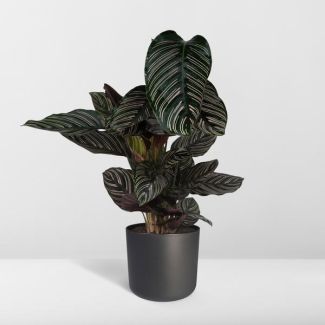
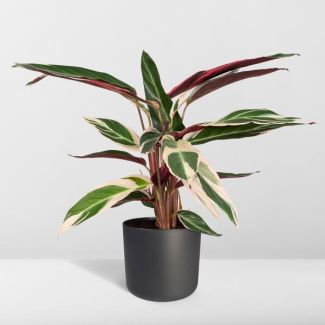
The peacock plant, known botanically as Calathea, is a popular indoor plant valued for its striking leaf patterns and movement. The leaves often display unique markings and may fold up at night. Calatheas are native to tropical regions and require specific care to thrive indoors.
Care Summary
- Light: Prefers bright, indirect light. Avoid direct sunlight, which can cause leaf damage.
- Water: Keep the soil consistently moist but not soggy. Allow the top layer to dry slightly before watering again.
- Humidity: High humidity (above 50%) is important. Dry air can cause brown leaf edges.
- Temperature: Best kept between 18–24°C. Avoid cold drafts and sudden temperature changes.
For detailed care instructions, see Peacock plant care.
Common Problems
- Brown leaf edges: Often due to low humidity or inconsistent watering.
- Wilting or drooping leaves: May indicate overwatering, underwatering, or root issues.
- Leaf discoloration: Can result from too much light or nutrient imbalances.
Find solutions in Peacock plant problem solving.
Pests and Diseases
Peacock plants can be affected by pests such as spider mites, thrips and aphids, especially in dry indoor air. Regularly check the undersides of leaves for signs of pests or webbing. Prompt removal and maintaining humidity can help prevent infestations.
Read more in Peacock plant pests.
Propagation
Peacock plants are usually propagated by division during repotting. Carefully separate the root ball into sections, ensuring each has roots and leaves. Water the new plants and keep them in a humid environment until established.
Step-by-step instructions: Propagating peacock plant.
Popular Peacock plant Types
- Calathea orbifolia: Large, round leaves with silver stripes.
- Calathea makoyana: Known as the peacock plant, with feather-like patterns.
- Calathea lancifolia: Long, wavy leaves with dark green spots.
See more varieties in Peacock plant types.
Pet Safety
Most Calathea species are considered non-toxic to cats and dogs. However, individual sensitivities may vary. If your pet shows signs of illness after contact or ingestion, consult a veterinarian.
Frequently Asked Questions
- What is a peacock plant?
- The peacock plant is the Dutch name for Calathea, a group of tropical plants known for their decorative leaves and movement. They are commonly grown as indoor plants.
- Is the peacock plant toxic to cats and dogs?
- Most Calathea species are considered non-toxic to cats and dogs. If you are unsure about a specific variety or if your pet shows symptoms after contact, consult a veterinarian.
- Which peacock plant types are popular as houseplants?
- Popular types include Calathea orbifolia, Calathea makoyana and Calathea lancifolia. Each has distinct leaf patterns and care requirements.