
Peacock plant pests: how to identify and prevent them

Common pests on peacock plant
Peacock plants (Calathea species) can be affected by several indoor plant pests. The most frequent are:
- Spider mites (tiny, red or yellowish, often with fine webbing on leaf undersides)
- Thrips (small, slender insects that move quickly and cause silvery streaks or spots)
- Aphids (soft-bodied, green or black insects, usually on new growth)
- Mealybugs (white, cottony clusters on stems or leaf joints)
Symptoms of pest infestation
- Fine webbing, especially on the underside of leaves (spider mites)
- Silvery or pale spots, streaks, or distorted leaves (thrips)
- Sticky residue (honeydew) or visible insects on new leaves (aphids, mealybugs)
- Leaf edges turning brown or curling, sometimes with visible pests
Preventive measures
- Check new plants for pests before bringing them indoors.
- Maintain moderate humidity (above 50%) to discourage spider mites.
- Wipe leaves gently with a damp cloth every few weeks to remove dust and spot early signs of pests.
- Keep plants spaced to allow airflow and reduce pest spread.
- Isolate affected plants to prevent pests from spreading to others.
When to seek professional help
If pests persist after repeated manual removal or if the infestation spreads rapidly, consider consulting a professional for further advice. Avoid using chemical treatments unless recommended for indoor use and safe for Calathea species.
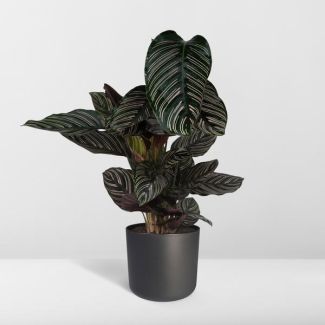
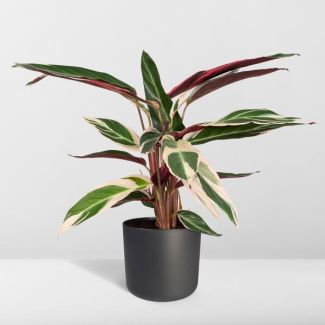
Popular peacock plants
Frequently asked questions about peacock plant pests
- What pests are common on peacock plants?
- Spider mites, thrips, aphids and mealybugs are the most common pests found on indoor peacock plants. Regular inspection helps catch infestations early.
- How can I recognize spider mites or thrips on my peacock plant?
- Spider mites often leave fine webbing and cause tiny yellow or brown spots. Thrips create silvery streaks or spots and may cause leaves to curl or distort. Both are usually found on the underside of leaves.
- What can I do to prevent pests on my peacock plant?
- Keep humidity above 50%, inspect plants regularly, wipe leaves with a damp cloth, and isolate new or affected plants. Avoid overcrowding to improve airflow.