
Peacock plant care: how to keep your Calathea healthy

Light requirements
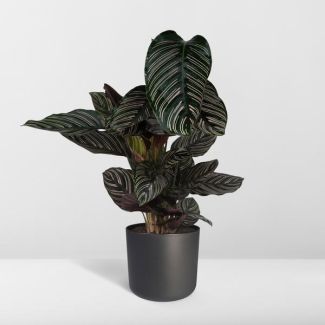
Peacock plants (Calathea species) prefer bright, indirect light. Direct sunlight can cause leaf scorch or fading patterns. Place your plant near a window with filtered light or a few meters away from a bright window. Avoid dark corners, as insufficient light can slow growth and dull leaf colors.
Watering: when and how much
Water your peacock plant when the top 2-3 cm of soil feels dry to the touch. Use room temperature water. Water thoroughly until excess drains from the bottom, then empty the saucer. Reduce watering frequency in winter. Overwatering can cause root rot; underwatering may lead to curling or crispy leaves.
Humidity and temperature
Peacock plants thrive in high humidity (above 50%). Dry air can cause brown leaf edges. Increase humidity by grouping plants, using a pebble tray, or placing the plant in a humid room like a bathroom (with natural light). Keep temperatures between 18–25°C and avoid cold drafts or sudden temperature changes.
Soil and feeding
Use a well-draining, peat-free potting mix. Feed with a diluted, balanced liquid fertilizer once a month during spring and summer. Do not fertilize in autumn and winter. Flush the soil with water every few months to prevent salt buildup.
Pruning and repotting
Remove yellow or brown leaves with clean scissors to keep the plant tidy. Repot every 2–3 years or when roots outgrow the pot, preferably in spring. Choose a pot with drainage holes.
Common care mistakes
- Placing in direct sunlight (causes leaf burn)
- Letting soil dry out completely (leads to leaf curl and browning)
- Overwatering (risk of root rot)
- Ignoring low humidity (brown edges)
- Using cold water (can shock roots)
Pet safety: is peacock plant toxic?
Most Calathea species, including peacock plant, are considered non-toxic to cats and dogs. However, individual reactions may vary. If your pet chews on houseplants or shows symptoms after contact, consult a veterinarian for advice.
Frequently asked questions about peacock plant care
- How often should I water my peacock plant?
- Check the top 2–3 cm of soil. Water when it feels dry, usually once a week in summer and less often in winter. Always adjust based on your home's conditions.
- What is the best location for a peacock plant?
- Place your peacock plant in bright, indirect light. Avoid direct sun and very dark spots. A spot near an east- or north-facing window is often suitable.
- Is the peacock plant safe for pets?
- Most peacock plants (Calathea species) are considered non-toxic to cats and dogs. If you have concerns or your pet shows symptoms after chewing, contact your veterinarian.