
Hanging Plants: Advice, Types & Inspiration
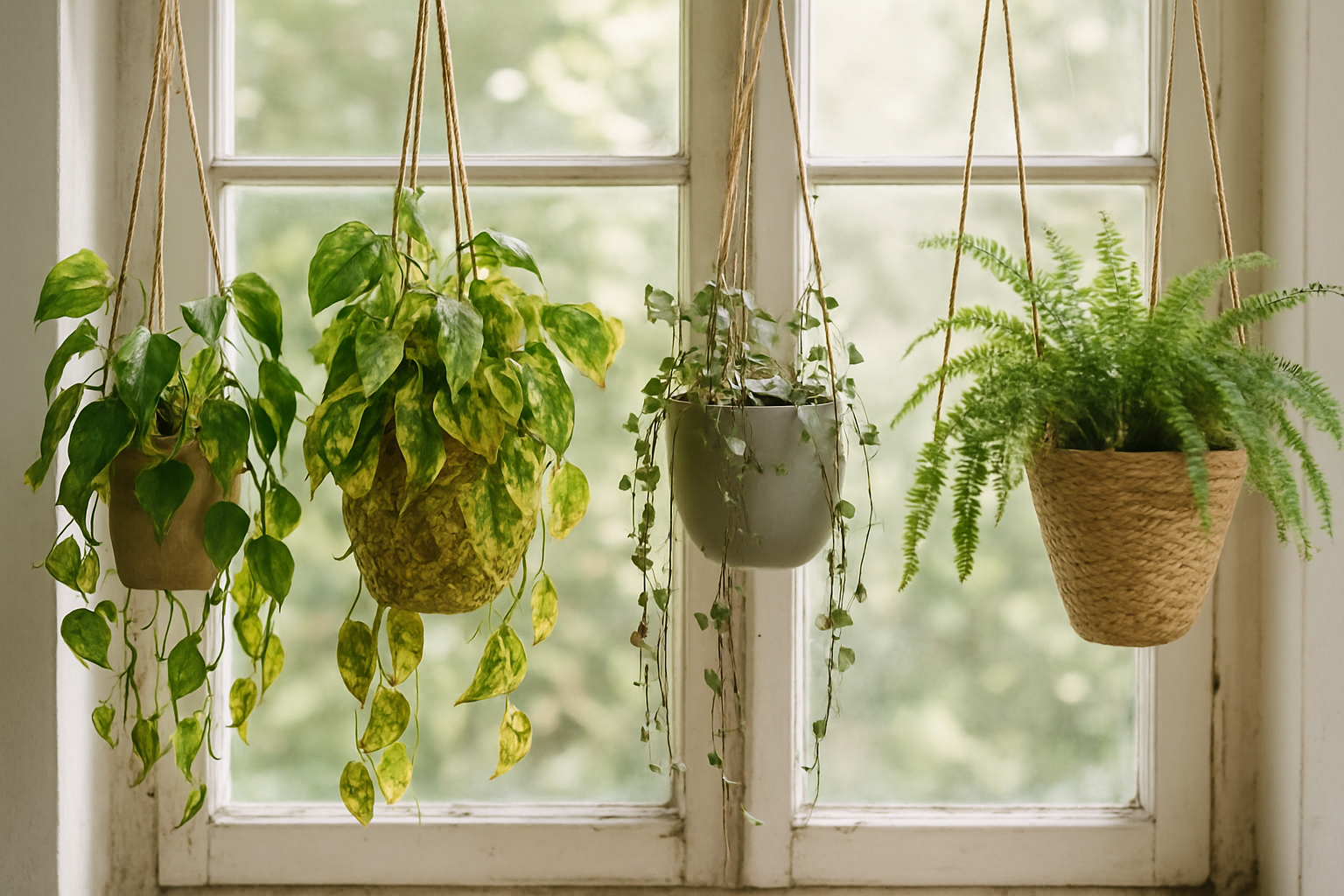
Hanging plants are a wonderful way to add greenery to your home, even when floor space is limited. Whether you want to brighten up a living room, add life to a bathroom, or create a lush corner in your kitchen, there’s a hanging plant to suit every style and situation. On this page, you’ll find practical advice, inspiration, and answers to common questions about hanging plants.
What Are Hanging Plants?
Hanging plants are species that naturally trail, cascade, or grow downwards, making them ideal for pots, baskets, or shelves where their foliage can drape freely. Many popular houseplants, such as Epipremnum (also known as Scindapsus or pothos), Rhipsalis, and spider plants (Chlorophytum), are well-suited for hanging displays.
Uses in the Home
Hanging plants can be used in many ways: suspended from the ceiling, placed on high shelves, or grouped in a plant hanger by the window. They’re perfect for adding greenery without taking up valuable surface space. For more inspiration and styling tips, see our guide to hanging plant applications.
Popular Varieties
Some of the most loved hanging plants include:
- Epipremnum (Scindapsus): Known for its heart-shaped leaves and easy care.
- Rhipsalis: A unique, cactus-like plant with fine, trailing stems.
- Chlorophytum (Spider Plant): Recognizable by its arching leaves and baby plantlets.
- Tradescantia: Valued for its colorful foliage and fast growth.
- Ceropegia (String of Hearts): Delicate, heart-shaped leaves on long, thin vines.
For a full overview, visit our popular hanging plant types page.
Care Tips
Most hanging plants prefer a bright spot with indirect sunlight and regular, moderate watering. Always check the soil before watering: if the top few centimeters feel dry, it’s time to water. Avoid letting the roots sit in water, as this can cause root rot. Occasional pruning helps keep your plant full and encourages new growth. For detailed care instructions, see our hanging plant care guide.
Problems & Solutions
Yellowing leaves, limp stems, or leaf drop can happen to any plant. Often, these issues are related to watering habits, light levels, or pests. If you notice problems, check our troubleshooting guide for hanging plants for practical solutions.
Buying Guide
Choosing the right hanging plant depends on your space, light conditions, and personal style. Consider the plant’s mature size, growth speed, and care needs. Our buying guide for hanging plants can help you make the best choice for your home.
Frequently Asked Questions

- What are the benefits of hanging plants?
- Hanging plants add greenery and a sense of calm to your home, even in small spaces. They can improve air quality, soften hard lines in interiors, and create a lush, layered look without taking up floor space.
- Are hanging plants safe for pets?
- Some hanging plants can be toxic to cats or dogs if ingested. Common varieties like Epipremnum and Tradescantia are considered mildly toxic, while spider plants (Chlorophytum) are generally non-toxic. If you have pets that like to nibble on plants, always check the specific species and consult your veterinarian if you are unsure.
- Which hanging plants are the easiest to care for?
- Epipremnum (Scindapsus), spider plants (Chlorophytum), and Rhipsalis are all known for being low-maintenance and forgiving. They tolerate occasional missed waterings and adapt well to different light levels, making them suitable for beginners.