Hanging Plant Care: Practical Tips
Watering
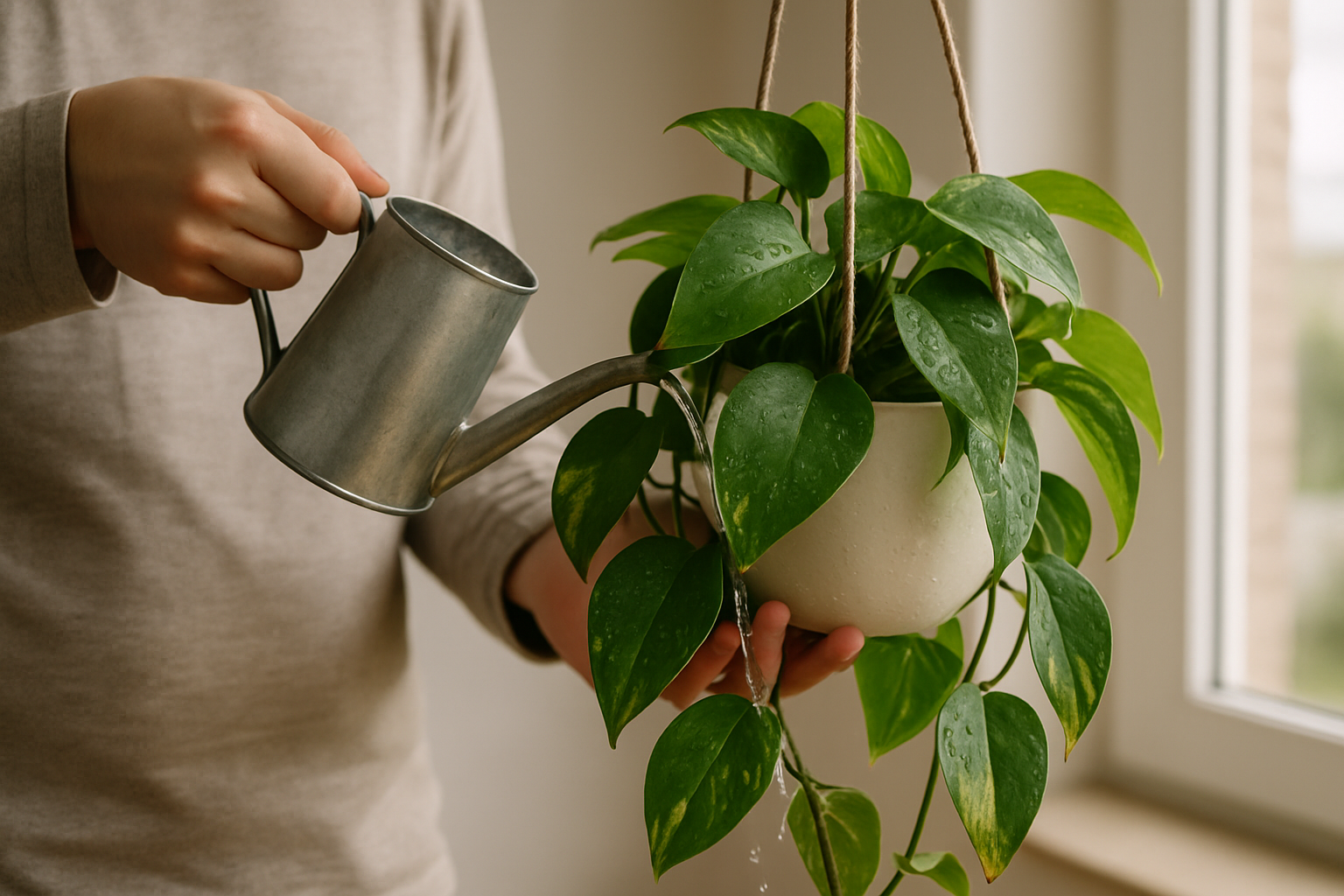
Most hanging plants prefer their soil to dry out slightly between waterings. Check the top 2–3 cm of soil with your finger: if it feels dry, it's time to water. Water thoroughly until excess drains out, but avoid letting the plant sit in water. In summer, you may need to water once a week or more, while in winter, watering every two weeks is often enough. Always adjust based on the plant's needs and your home's humidity and temperature.
Light and Placement
Hanging plants generally thrive in bright, indirect light. Too much direct sunlight can scorch leaves, while too little light may cause leggy growth or faded foliage. Place your hanging plant near a window with filtered light, but avoid harsh midday sun. Some species, such as Epipremnum and Chlorophytum, tolerate lower light, but growth may slow down.
Feeding and Growth
During the growing season (spring and summer), most hanging plants benefit from a balanced, diluted liquid fertilizer every 4–6 weeks. In autumn and winter, feeding is usually not necessary, as growth slows down. Always follow the instructions for your specific plant species, as needs can vary.
Pruning and Shaping
Regular pruning helps keep your hanging plant healthy and encourages bushier growth. Trim back long or leggy stems with clean scissors or pruning shears. Remove any yellowed or damaged leaves to maintain a tidy appearance. For trailing types, you can pinch back the tips to promote fuller growth.
Common Care Mistakes
- Overwatering: This is the most common issue. Always check soil moisture before watering.
- Insufficient light: If your plant looks pale or leggy, try moving it to a brighter spot.
- Neglecting to prune: Regular trimming keeps plants healthy and attractive.
- Ignoring drafts or heat sources: Avoid placing hanging plants near radiators or cold drafts, as sudden temperature changes can stress the plant.
FAQ: Are Hanging Plants Toxic to Pets?
Some hanging plants can be toxic to cats and dogs if ingested, while others are considered non-toxic. For example, Chlorophytum (Spider Plant) is generally safe, but Epipremnum (Pothos) and Tradescantia can cause mild to moderate symptoms if eaten. If you have pets that like to nibble on plants, always check the specific species and consult your veterinarian if you are unsure. When in doubt, place plants out of reach of curious animals.
Frequently Asked Questions
- How often should I water my hanging plants?
- Check the top 2–3 cm of soil: if it feels dry, water thoroughly. Most hanging plants need water about once a week in summer and less often in winter, but always adjust to your plant's needs and environment.
- What is the best spot for hanging plants?
- Bright, indirect light is ideal. Avoid direct midday sun and very dark corners. Near a window with filtered light usually works well for most species.
- Are hanging plants toxic to cats or dogs?
- Some hanging plants are toxic if ingested, while others are safe. Always check the species and consult your vet if you are unsure. When in doubt, keep plants out of reach of pets.