
Problems with Hanging Plants: Identification & Solutions
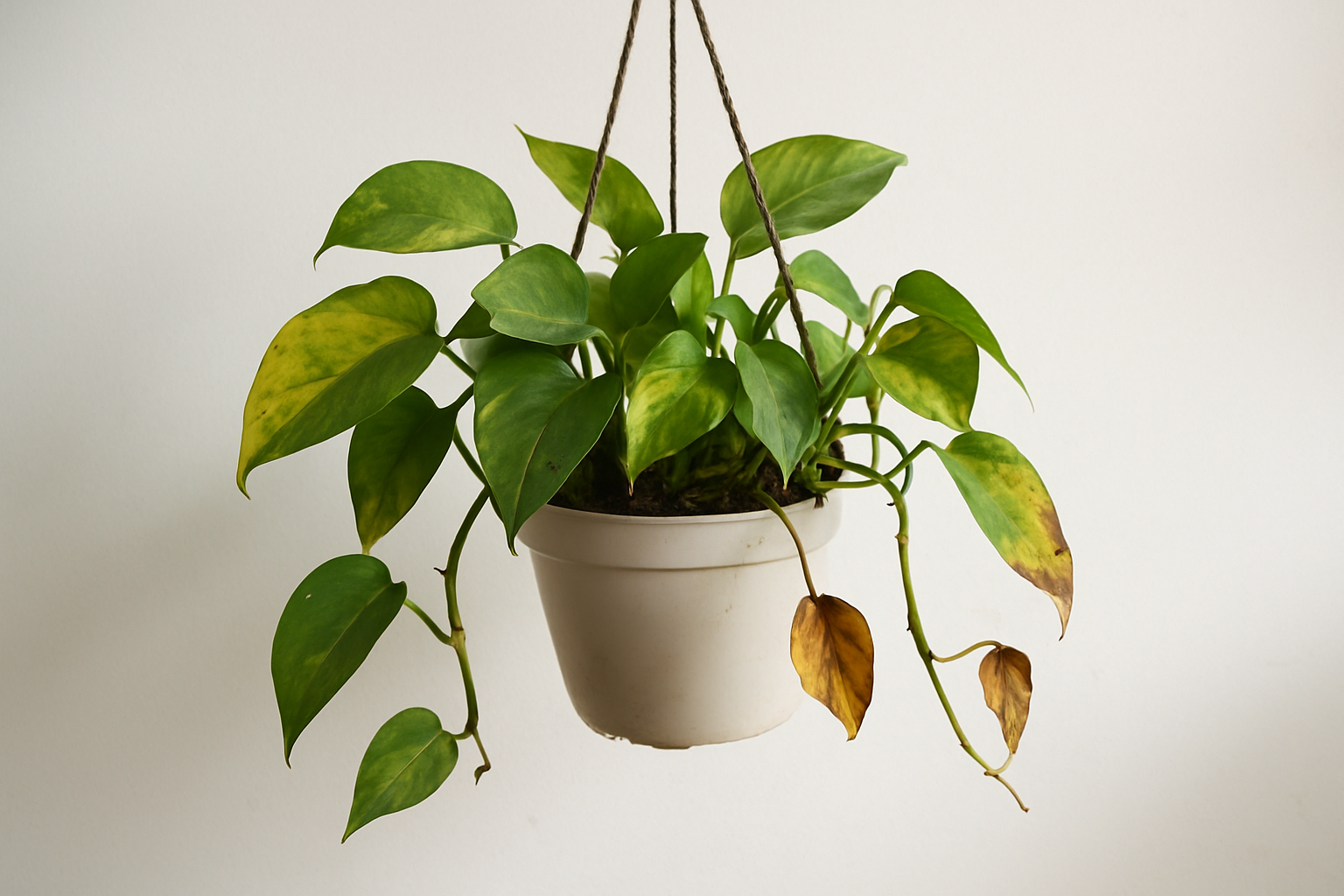
Even the healthiest hanging plants can sometimes develop problems. Recognising the signs early and knowing what to do can help your plants recover and thrive. Below you'll find practical advice for the most common issues with hanging plants, from yellow leaves to pests.
Yellow or Brown Leaves
Yellowing or browning leaves are among the most common concerns. Causes can include:
- Overwatering: If the soil stays wet for too long, roots may suffocate and leaves turn yellow. Let the top few centimetres of soil dry out before watering again.
- Underwatering: Dry, crispy brown edges often mean the plant is too dry. Check the soil regularly and water when the top feels dry.
- Light issues: Too much direct sunlight can scorch leaves, while too little light may cause yellowing. Adjust the plant's position if needed.
- Natural ageing: Older leaves at the base may yellow and drop off as part of the plant's normal cycle.
Limp or Dried-Out Plants
If your hanging plant looks limp or wilted, check the following:
- Soil dryness: Stick your finger into the soil. If it feels dry several centimetres down, water thoroughly until excess drains away.
- Root health: If watering doesn't help, roots may be damaged or compacted. Gently remove the plant from its pot and check for healthy, white roots.
- Humidity: Many hanging plants prefer moderate humidity. In dry indoor air, misting the leaves occasionally may help, but avoid overdoing it.
Root Rot
Root rot is a serious issue, usually caused by consistently wet soil. Signs include yellowing leaves, a musty smell, and mushy roots. To address root rot:
- Remove the plant from its pot and inspect the roots.
- Trim away any black, mushy, or foul-smelling roots with clean scissors.
- Repot in fresh, well-draining soil and a clean pot.
- Water sparingly until you see new growth.
Leaf Drop
Some leaf drop is normal, especially after moving a plant or during seasonal changes. Excessive leaf drop can be caused by:
- Sudden changes in temperature or light
- Over- or underwatering
- Drafts or cold windows
Try to keep your plant's environment stable and avoid moving it frequently.
Common Pests
Hanging plants can sometimes attract pests like spider mites, aphids, or fungus gnats. Signs include sticky leaves, webbing, or tiny insects. If you notice pests:
- Isolate the affected plant to prevent spread.
- Rinse leaves gently with lukewarm water.
- Remove visible pests by hand or with a soft cloth.
- If the problem persists, consider seeking further advice or using a gentle, plant-safe treatment.
When to Seek Help?
If your plant continues to decline despite your efforts, or if you notice severe symptoms (such as widespread rot or a sudden pest infestation), it may be helpful to consult a local plant expert or nursery for tailored advice.

Frequently Asked Questions
- Why does my hanging plant have yellow leaves?
- Yellow leaves can be caused by overwatering, underwatering, or light issues. Check the soil moisture and adjust watering or the plant's position as needed. Some yellowing of older leaves is normal.
- What should I do if my hanging plant has root rot?
- Remove the plant from its pot, trim away any mushy or black roots, and repot in fresh, well-draining soil. Water less frequently until the plant recovers. If most roots are affected, recovery may be difficult.
- How can I recognise pests on my hanging plant?
- Look for sticky residue, fine webbing, or small insects on the leaves and stems. Common pests include spider mites and aphids. Isolate the plant and rinse the leaves gently. Persistent problems may require further advice.
Introgreen Plantcoach