Buying Hanging Plants: Tips & Advice
What Should You Consider When Buying Hanging Plants?
Choosing the right hanging plant can make a big difference in your space. Whether you want a lush green cascade or a subtle accent, it's helpful to think about your room, available light, and how much care you want to give. Here are some practical points to help you select the best hanging plant for your home.
Size and Growth Rate
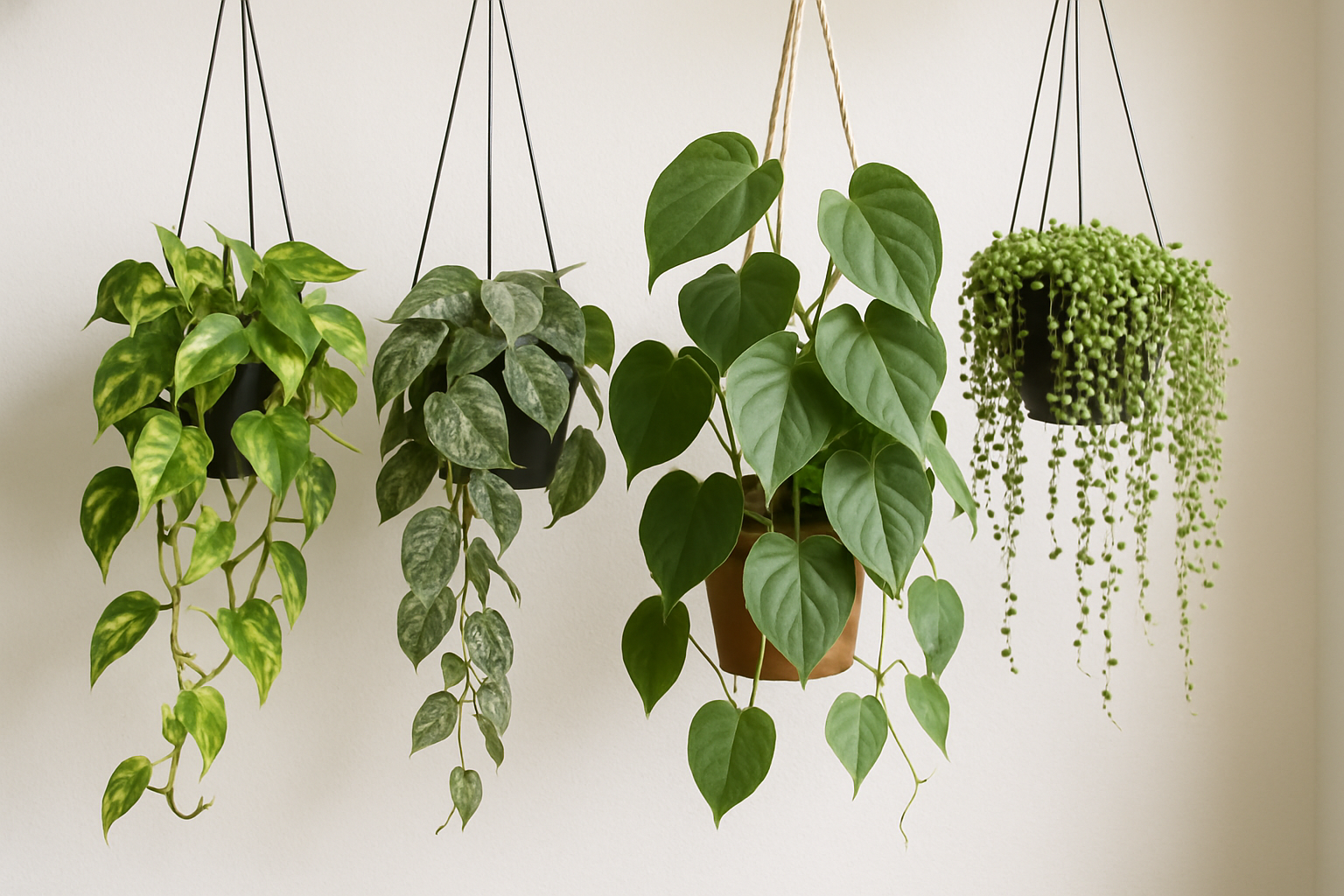
Hanging plants come in many sizes, from compact varieties to fast-growing trailing types. Consider how much space you have above and below the plant. Some, like Epipremnum (also known as pothos), can grow quickly and develop long vines, while others, such as Ceropegia (String of Hearts), tend to stay more compact. If you want a dramatic effect, choose a plant with a faster growth rate, but remember that regular pruning may be needed to keep it tidy.
Light Needs and Placement
Most hanging plants prefer bright, indirect light. Placing them near a window (but out of direct midday sun) usually works well. Some types, like Chlorophytum (Spider Plant), can tolerate lower light, making them suitable for spots further from the window. Always check the specific light needs of your chosen plant and match them to the intended spot in your home. If a plant receives too little light, its growth may slow and leaves may lose color.
Combining with Other Plants
Hanging plants can be a beautiful addition to a group of standing or tabletop plants. Try mixing different leaf shapes and colors for a lively effect. For example, pair a trailing Tradescantia with upright foliage plants, or combine several hanging species at different heights for a layered look. Just make sure each plant gets the light and space it needs.
Frequently Asked Questions
- Which hanging plant suits my interior?
- The best choice depends on your available light, space, and style. For a modern look, consider Epipremnum or Rhipsalis. For a softer, classic feel, Chlorophytum or Ceropegia work well. If you have a bright spot, most hanging plants will thrive, but always check the specific needs of each species.
- How do I choose the right size hanging plant?
- Measure the space where you want to hang your plant, including the height from ceiling to floor and the width available. Smaller plants are ideal for shelves or small corners, while larger, trailing varieties can fill empty vertical space. Consider how much the plant will grow over time and whether you'll need to prune it to keep it manageable.
- Are hanging plants safe for pets?
- Some hanging plants can be toxic to cats or dogs if chewed or ingested. Common varieties like Epipremnum and Tradescantia may cause mild to moderate symptoms if eaten. If you have pets that like to nibble on plants, choose non-toxic options such as Chlorophytum (Spider Plant), but always double-check the specific species. When in doubt, consult your veterinarian before introducing a new plant to your home.