
Yellow Leaves on Plants: What Now?
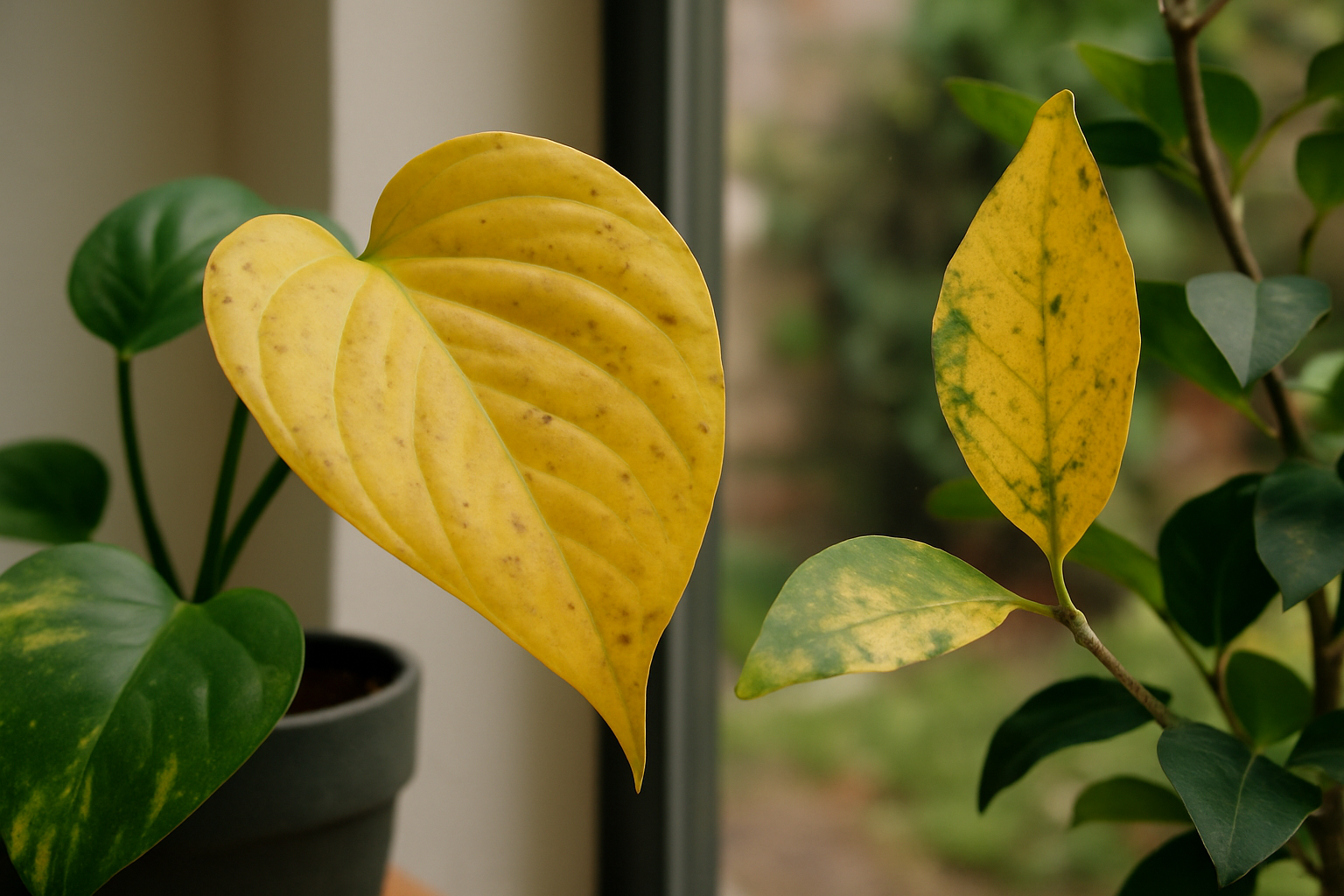
What Do Yellow Leaves Mean?
Yellow leaves are a common sight for plant owners, both indoors and outdoors. Sometimes, it's simply part of the plant's natural cycle—older leaves age and drop off. But yellowing can also signal a problem, such as watering issues, light stress, or nutrient imbalances. The key is to look at the pattern: is it just a few older leaves, or is the whole plant affected?
Common Causes Indoors and Outdoors
Yellow leaves can have different causes depending on whether your plant is inside or outside. Indoors, overwatering or low light are frequent culprits. Outdoors, weather changes, poor drainage, or nutrient shortages often play a role. For a detailed breakdown, see Causes of Yellow Leaves.
First Aid: What Can You Do Right Away?
If you notice yellow leaves, don't panic. Start by checking the basics: is the soil too wet or too dry? Has the plant recently been moved or repotted? Are there signs of pests? A step-by-step approach can help you quickly spot and address the issue. For a practical checklist, visit First Aid for Yellow Leaves.
Examples: Houseplants and Garden Plants
Some plants are more prone to yellowing than others. For example, a ficus may drop yellow lower leaves after a move, while a monstera can show yellow spots from inconsistent watering. In the garden, olive trees may yellow after cold nights, and citrus can react to nutrient shortages. For more examples and specific tips, see Houseplant Examples and Garden Plant Examples.
When Should You Worry?
It's normal for a plant to lose an occasional yellow leaf, especially older ones. But if you see rapid yellowing, wilting, or if the whole plant is affected, it's time to take a closer look. Persistent problems may need more attention. For guidance on when to act, check When to Worry About Yellow Leaves.
Frequently Asked Questions
- What is the most common cause of yellow leaves?
- Overwatering is a very common cause, especially for houseplants. However, yellowing can also result from underwatering, low light, or nutrient issues. Checking the soil moisture and light conditions is a good first step.
- Should I remove all yellow leaves right away?
- It's not always necessary to remove yellow leaves immediately. If the leaf is completely yellow and dry, you can gently remove it. If only part of the leaf is yellow, it's often better to wait and observe, as the plant may still be using nutrients from it.
- Can a plant recover from yellow leaves?
- Yes, many plants can recover if the underlying issue is addressed. New healthy growth is a good sign. However, yellowed leaves themselves usually do not turn green again.
- Is it normal for older leaves to turn yellow?
- Yes, it's normal for older leaves to yellow and fall off as part of the plant's natural life cycle. This is especially common at the base of the plant.
- What if only the lower leaves are yellow?
- If only the lower or oldest leaves are yellowing, it's often a natural process. If yellowing spreads quickly or affects new growth, check for watering or nutrient issues.
- Is gele-bladeren-algemeen toxic to dogs and cats?
- gele-bladeren-algemeen is generally considered toxic to dogs and cats. Its sap can irritate the mouth, skin or stomach if leaves are chewed or swallowed. Keep the plant out of reach of pets and contact a veterinarian if symptoms occur or if you are unsure.
Introgreen Plantcoach
Plant advice and finder
Get help with plant care, plant problems and pests, or find suitable plants from the Introgreen assortment.