
First Aid for Yellow Leaves
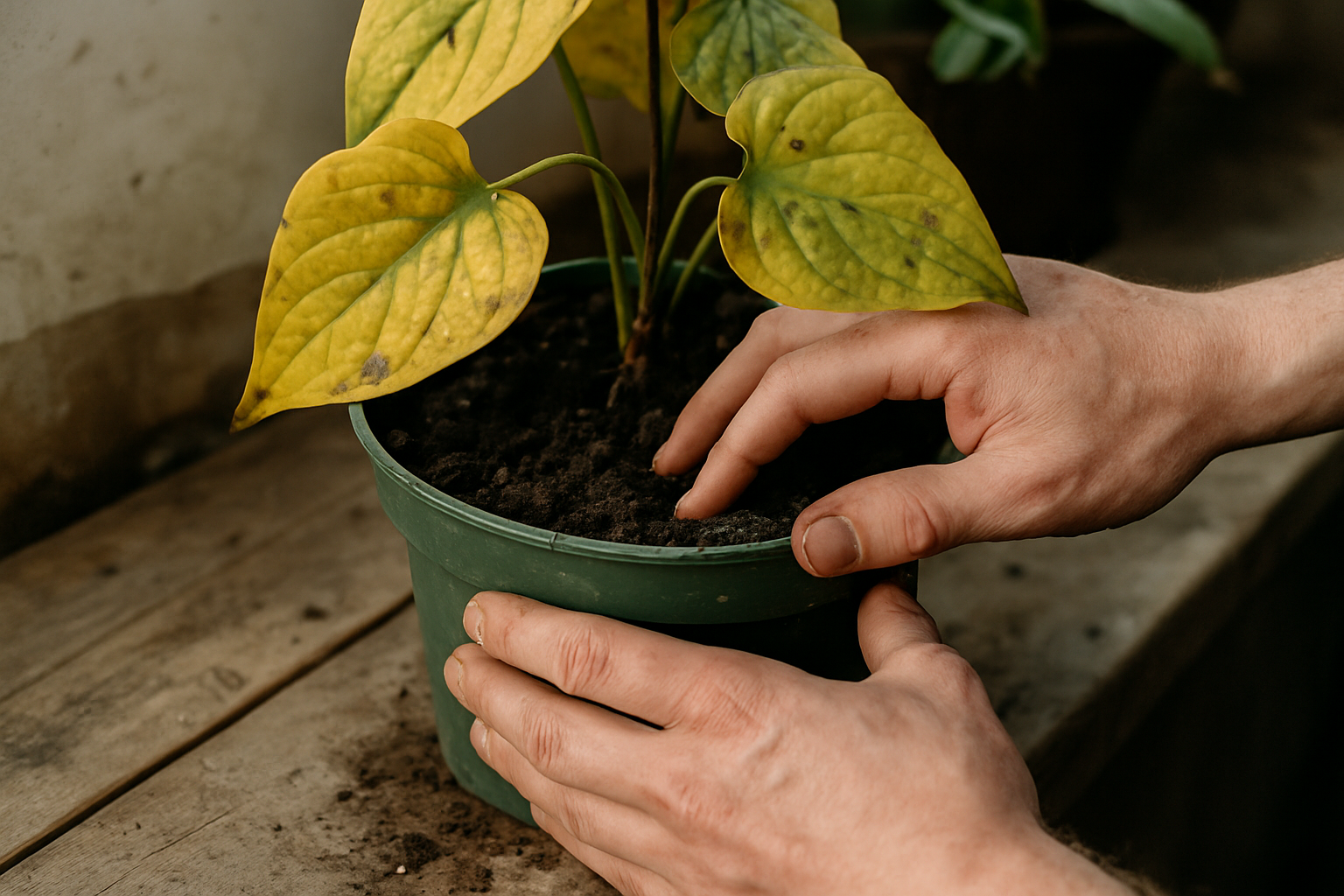
Yellow leaves can be worrying, but with a calm approach you can often help your plant recover. Below you'll find a practical checklist for both houseplants and garden plants. If you don't know the exact plant type, these steps are a safe starting point.
Step-by-step: What to Do When You See Yellow Leaves
-
Stabilize the location and environment
Avoid moving your plant immediately. Sudden changes in light, temperature, or humidity can add extra stress. If the plant is in a draft, near a heater, or in direct hot sun, try to create a more stable environment. -
Check the soil: too wet or too dry?
Gently press your finger 2-3 cm into the soil. If it feels soggy, the plant may be overwatered. If it is bone dry, underwatering could be the issue. Adjust your watering routine accordingly, but avoid drastic changes all at once. -
Check drainage and the pot
For potted plants, make sure excess water can drain away. Waterlogged roots are a common cause of yellow leaves. If water pools at the bottom or the pot has no drainage holes, consider repotting or improving drainage. -
Inspect roots and leaves
If possible, gently slide the plant out of its pot to check the roots. Healthy roots are usually white or light tan and firm. Brown, mushy, or foul-smelling roots may indicate rot. Also, look for spots, pests, or unusual patterns on the leaves. -
Watch for pests
Examine the undersides of leaves and stems for insects or sticky residue. Common pests like spider mites, aphids, or scale insects can cause yellowing. If you spot pests, isolate the plant and look up specific advice for your situation. -
Don't act too quickly – when to wait?
After making small adjustments, give your plant time to respond. Removing all yellow leaves at once or changing too many factors can do more harm than good. Monitor for new yellowing or spreading symptoms over the next 1-2 weeks.
Need more help?
- Yellow Leaves: Causes and Solutions
- Common Causes of Yellow Leaves
- When Are Yellow Leaves a Reason to Worry?
Frequently Asked Questions
- Should I move my plant immediately if I see yellow leaves?
- Not always. Sudden moves can stress your plant even more. Only relocate if you notice clear issues like drafts, direct heat, or extreme sunlight. Otherwise, try to stabilize the current environment first.
- How can I check if the roots are healthy?
- Carefully remove the plant from its pot and inspect the roots. Healthy roots are firm and light in color. If you see brown, mushy, or foul-smelling roots, root rot may be present. Trim away affected roots with clean hands and let the plant dry slightly before repotting.
- What if I can't find a clear cause for the yellow leaves?
- Sometimes, yellowing is due to natural aging or minor stress. If you've checked water, light, and pests but see no clear problem, monitor the plant for a week or two. If yellowing spreads rapidly or the plant declines, seek more specific advice or consult a plant expert.
- How long does it take for a plant to recover from yellow leaves?
- Recovery time varies. Some plants show improvement within a week, while others may take several weeks to produce new healthy leaves. Patience is key—avoid overcorrecting or making too many changes at once.
Introgreen Plantcoach
Plant advice and finder
Get help with plant care, plant problems and pests, or find suitable plants from the Introgreen assortment.
Start with a plant question
Choose a route or ask your own question below.