
Examples of Brown Leaves on Garden Plants
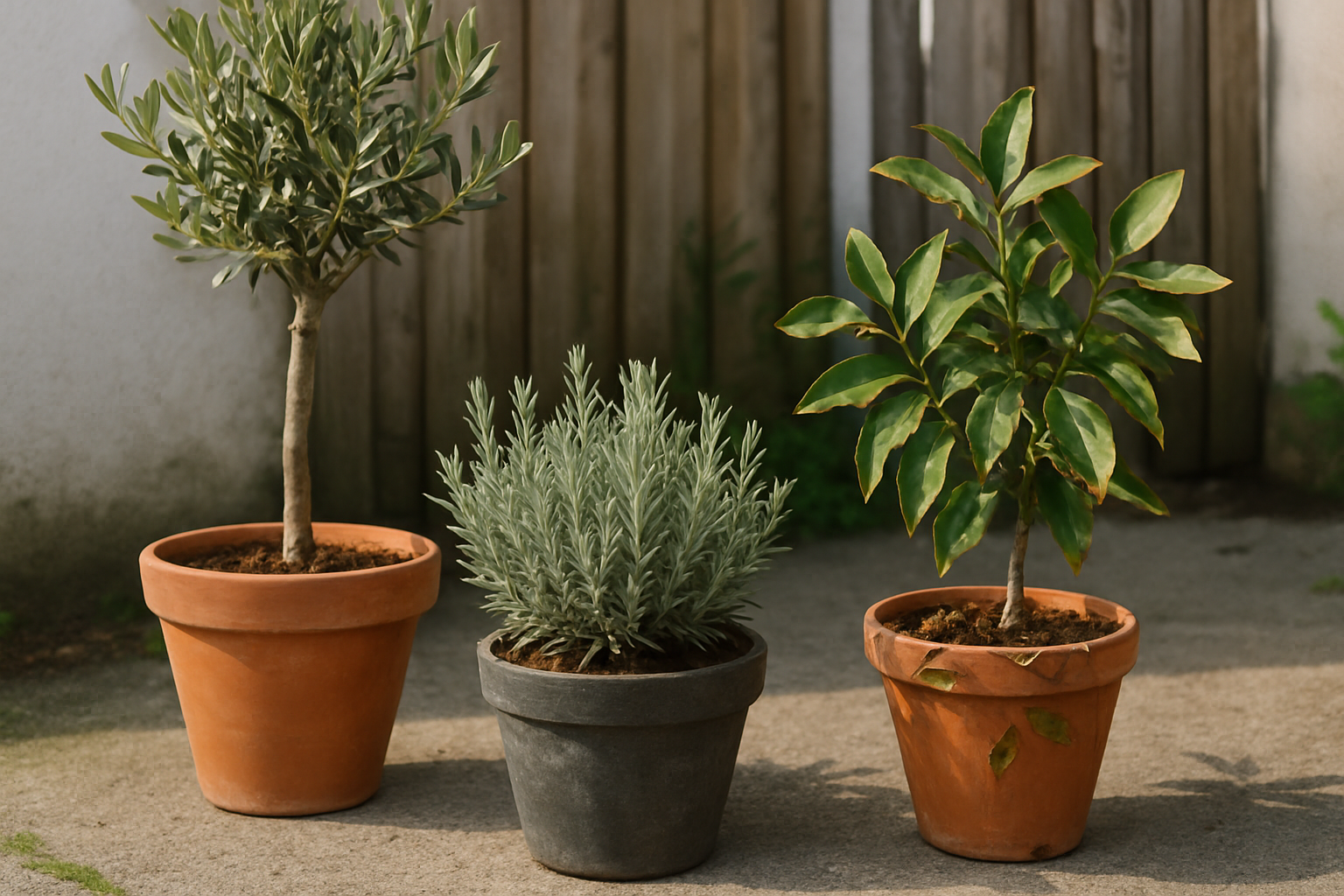
Brown leaves or edges on garden plants are a common sight, especially after periods of extreme weather or changes in care. Below, you'll find practical examples and recognition tips for some well-known outdoor plants. This can help you better understand what your plant is experiencing and what steps you might take next.
Olive Tree: Brown Leaf Edges from Frost or Drought
Olive trees (Olea europaea) are popular for their Mediterranean look, but their leaves can develop brown, dry edges. This often happens after a cold snap or a dry spell. Frost damage usually appears as brown, crisp edges or entire leaves turning brown and dropping. Drought stress can cause similar symptoms, but the leaves may also curl or feel brittle. If only the oldest leaves are affected, this can be part of the plant's natural cycle, especially after winter.
Lavender: Dried Tips and Edges
Lavender (Lavandula) is generally tough, but brown tips and edges can appear after a wet winter or hot, dry summer. Overly wet soil can lead to root problems, causing leaves to turn brown from the tips downward. In dry conditions, the edges may dry out and become papery. Check if the browning is limited to older growth or if it spreads quickly—rapid spread may indicate root rot or fungal issues.
Citrus: Brown Spots and Margins
Citrus plants (such as lemon or orange trees) can show brown spots, patches, or edges on their leaves. This can be due to cold damage, inconsistent watering, or nutrient imbalances. Brown margins often start at the tip and move along the edge. If the spots are irregular and surrounded by yellow halos, it may be a sign of stress or a minor fungal issue, but most often it's related to water or temperature fluctuations.
Recognition and First Steps
When you notice brown leaves or edges on your garden plants, start by checking the recent weather and soil moisture. Feel the soil a few centimeters deep—if it's soggy or bone dry, adjust your watering routine. Inspect for signs of frost or sunburn, especially after sudden weather changes. Remove only the completely dead leaves; partial browning is often harmless and the plant may recover on its own.
Related advice
Frequently Asked Questions
- Can frost damage be recognized by brown leaves?
- Yes, frost damage on garden plants often shows as brown, dry, or crispy leaf edges, especially on new or exposed growth. Sometimes entire leaves turn brown and fall off after a cold night. The pattern is usually more pronounced on the side facing the wind or cold.
- What causes brown edges on olive trees?
- Brown edges on olive tree leaves are most often caused by drought, cold damage, or a combination of both. Poor drainage or sudden temperature drops can also contribute. Check the soil and recent weather to help identify the cause.
- How can I prevent brown leaves on garden plants?
- Prevention starts with choosing the right spot for your plant and monitoring soil moisture. Avoid overwatering, especially in winter, and protect sensitive plants from harsh winds or frost. Regularly check for signs of stress and remove only fully dead leaves to help the plant focus on healthy growth.
Introgreen Plantcoach
Plant advice and finder
Get help with plant care, plant problems and pests, or find suitable plants from the Introgreen assortment.