
Causes of Brown Leaves and Edges
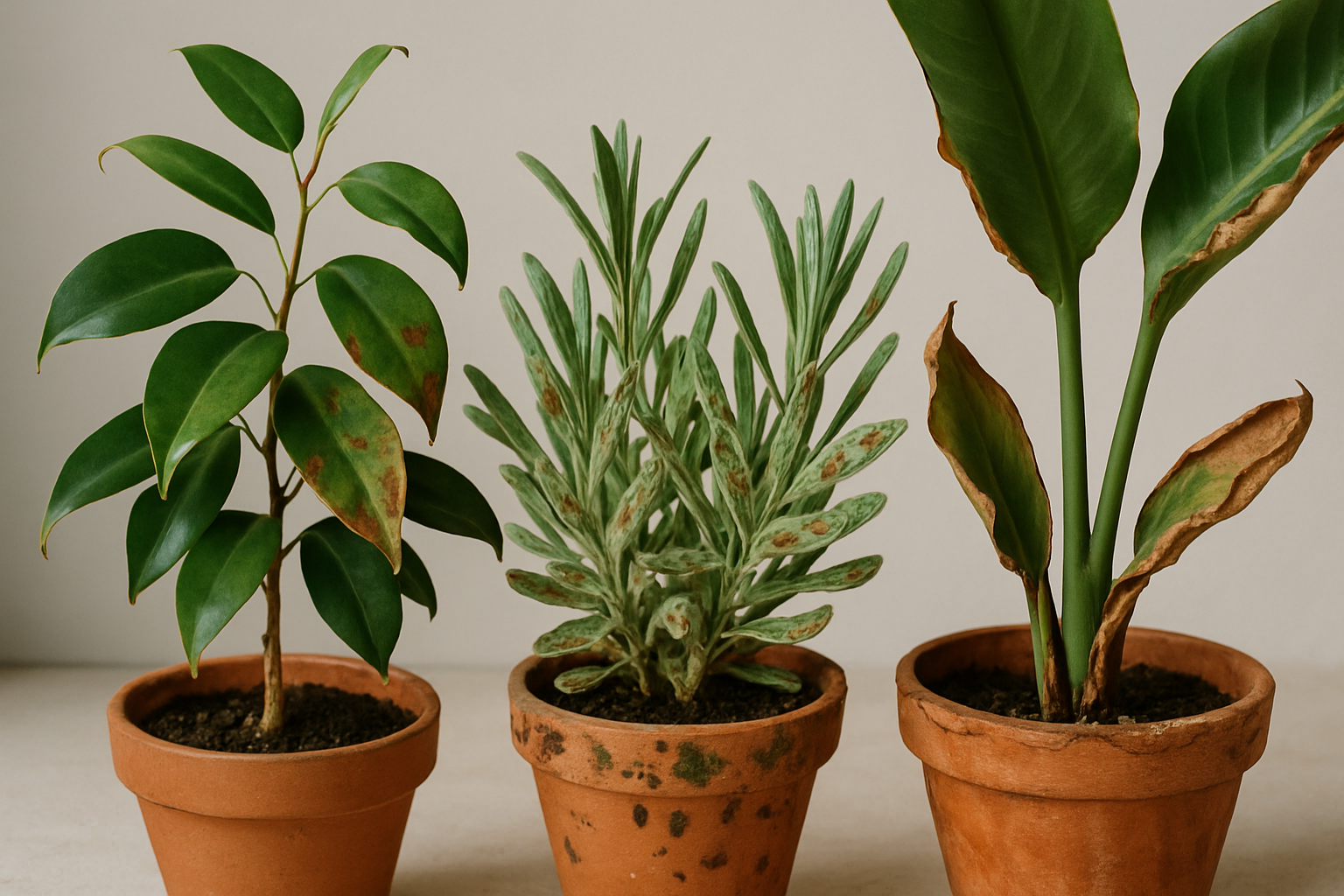
Noticing brown leaves, tips, or dry edges on your plant? You're not alone—this is one of the most common plant concerns, both indoors and outdoors. Brown edges can look worrying, but the underlying causes are often easy to identify with a closer look. Here, we explain the most frequent reasons for brown leaf edges and how to recognize them.
Dry Air and Humidity
Many houseplants, especially those from tropical regions, are sensitive to dry indoor air. When humidity drops—often in winter with central heating—leaf edges may dry out and turn brown. This is especially common in plants like Ficus and Strelitzia. Outdoors, wind can also dry out leaves, especially in exposed spots.
Water Stress: Too Wet or Too Dry
Both underwatering and overwatering can cause brown leaf edges. If the soil is too dry, leaves may develop crispy brown tips. If the soil stays wet for too long, roots can suffocate, leading to brown, limp patches. Check the soil moisture with your finger: if it feels bone dry or soggy, water stress may be the cause.
Root Problems and Drainage
Poor drainage or compacted soil can lead to root rot or oxygen shortage. Damaged roots can't transport water and nutrients effectively, so leaves develop brown edges or spots. This is common in potted plants without drainage holes or in heavy garden soil after heavy rain.
Bright Sun, Heat, and Drafts
Sudden exposure to strong sunlight or heat can scorch leaves, causing brown, dry patches or edges. Drafts from open windows or air conditioning can also dry out leaves, especially in sensitive species. Outdoors, hot, windy weather can have a similar effect.
Nutrients, Salt Buildup, and Old Leaves
Over time, minerals and salts from tap water or fertilizer can accumulate in the soil, especially in pots. This can damage roots and cause brown leaf tips. Sometimes, older leaves naturally turn brown and die off as part of the plant's life cycle—this is normal and not a sign of disease.
Frost Damage in Outdoor Plants
In the garden, sudden frost can damage leaf tissue, leading to brown, dead patches or edges. This is especially common in less hardy plants like olive trees or citrus. Damage often appears after a cold snap, sometimes only when temperatures rise again.
Related topics
Frequently Asked Questions
- How can I recognize water stress in my plant?
- Water stress often shows as either crispy, dry leaf tips (too dry) or limp, brown patches (too wet). Check the soil moisture with your finger: if it's very dry or soggy, adjust your watering routine accordingly.
- Can drafts cause brown leaf edges?
- Yes, drafts from open windows, doors, or air conditioning can dry out leaves and cause brown edges, especially in sensitive houseplants. Try to keep plants away from direct airflow.
- What does strong sunlight do to leaves?
- Direct, intense sunlight can scorch leaves, leading to brown, dry patches or edges. If you notice this, consider moving your plant to a spot with filtered light or providing some shade during the hottest part of the day.
Introgreen Plantcoach
Plant advice and finder
Get help with plant care, plant problems and pests, or find suitable plants from the Introgreen assortment.