
Lady palm: care, problems and types
Introduction to the lady palm
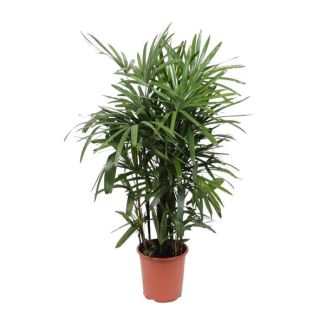
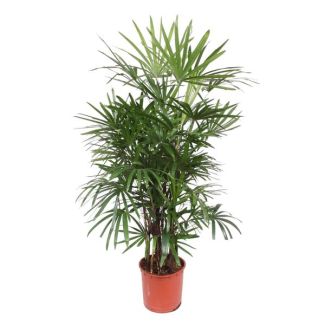
The lady palm (Rhapis excelsa), also known as the lady palm, is a slow-growing palm species valued for its upright stems and fan-shaped leaves. It is commonly used as an indoor plant due to its tolerance for lower light and moderate humidity. This page provides practical guidance for keeping your lady palm healthy indoors.
Care overview
Lady palms prefer bright, indirect light and should be kept away from direct sun. Water when the top 2-3 cm of soil feels dry, and avoid letting the plant stand in water. Maintain moderate humidity and keep the plant in a stable, draft-free location. For detailed care instructions, see the lady palm care guide.
Common problems
Yellowing leaves, brown tips, and leaf drop are the most frequent issues. These are often caused by overwatering, dry air, or unsuitable light. For troubleshooting and solutions, visit lady palm problems.
Pests and diseases
Lady palms can be affected by spider mites, scale insects, and mealybugs, especially in dry indoor air. Early detection and consistent monitoring are important. For identification and prevention tips, see lady palm pests & diseases.
Propagation
Propagation of lady palm is usually done by division of the root clump. This process requires care to avoid damaging the plant. For step-by-step instructions and considerations, read lady palm propagation.
Types and varieties
Rhapis excelsa is the most common species for indoor use, but other Rhapis species are sometimes available. Differences include leaf width, growth habit, and size. For an overview, visit lady palm types & varieties.
FAQ: Pets and safety
Frequently Asked Questions
- Is the lady palm toxic to dogs and cats?
- The lady palm (Rhapis excelsa) is generally considered non-toxic to dogs and cats. However, individual sensitivities can occur. If your pet shows symptoms after contact or ingestion, consult a veterinarian.
- How often should I water a lady palm?
- Water when the top 2-3 cm of soil feels dry. Overwatering is a common cause of problems. In winter, watering needs decrease.
- What is the best location for a lady palm indoors?
- Place the plant in bright, indirect light. Avoid direct sunlight and cold drafts. A spot near a north or east-facing window is often suitable.
- What are common problems with lady palm?
- Yellow leaves, brown tips, and leaf drop are frequent. These are often related to watering, humidity, or light. See the problem guide for details.
Available lady palm plants
Introgreen Plantcoach