
Lady palm: species and varieties
Rhapis excelsa: the classic lady palm
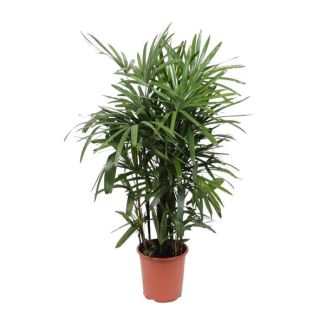
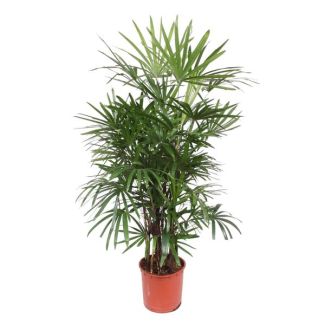
Rhapis excelsa is the most common lady palm species used as a houseplant. It is valued for its upright, clumping growth and fan-shaped leaves with finger-like segments. Mature plants can reach 1.5 to 2 meters indoors, but growth is generally slow. The leaf color is typically deep green, and the stems are covered with brown fiber. Rhapis excelsa tolerates lower light and is considered relatively robust for indoor use.
Other Rhapis species
Besides Rhapis excelsa, a few other Rhapis species are occasionally available for indoor cultivation. Rhapis humilis has narrower, more numerous leaf segments and a more slender appearance. Rhapis multifida is less common and features even finer leaf divisions. These species may require more humidity and light than Rhapis excelsa and are less widely grown.
Differences in leaf and growth
Rhapis species differ mainly in leaf shape, size, and number of segments. Rhapis excelsa typically has broader leaflets (5–10 per leaf), while Rhapis humilis and multifida have narrower and more numerous segments. Growth rate and mature height also vary, with excelsa being the most adaptable for typical home conditions. All Rhapis palms grow in clumps, producing new shoots from the base.
Which species are suitable for indoors?
Rhapis excelsa is the most reliable choice for most homes due to its tolerance of lower light and moderate humidity. Other species, such as Rhapis humilis, can be grown indoors but may need more consistent humidity and filtered light. Always check the specific requirements of the species or variety before purchase.
FAQ: Choosing a lady palm species
- Which lady palm species are suitable as houseplants?
- Rhapis excelsa is the most widely used and reliable lady palm for indoor use. Rhapis humilis and, less commonly, Rhapis multifida can also be grown indoors if their higher humidity and light needs are met.
- What are the differences between Rhapis excelsa and other species?
- Rhapis excelsa has broader, fewer leaf segments and is more tolerant of typical indoor conditions. Rhapis humilis and multifida have narrower, more numerous leaflets and may require more humidity and light.
- What should I consider when choosing a lady palm?
- Consider the available light, humidity, and space in your home. Rhapis excelsa is generally the easiest to maintain indoors. Always check the care needs of the specific species or variety before buying.
Introgreen Plantcoach