
Drooping Plant: Causes & First Aid
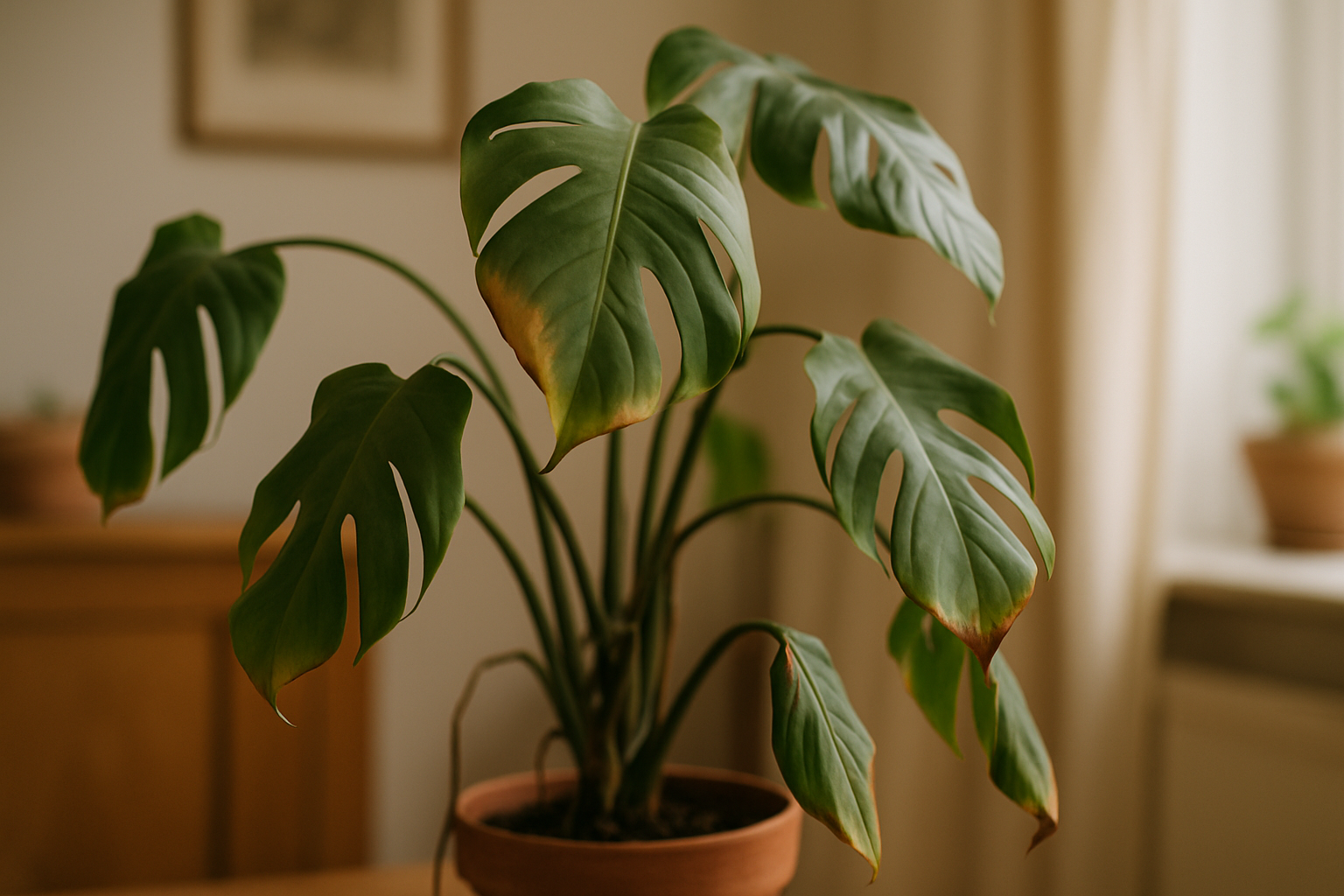
What does a drooping plant mean?
When a plant looks limp, with leaves hanging down or wilting, it’s a sign that something isn’t right. This can happen to both houseplants and garden plants. Sometimes it’s a quick reaction to stress, but it can also signal a more serious problem with water, roots, or environment.
Common causes indoors
For houseplants, drooping leaves are often caused by:
- Too much or too little water: Overwatering can lead to root rot, while underwatering causes the plant to dry out.
- Sudden changes in location: Moving a plant can shock it, especially sensitive types like Ficus or Monstera.
- Drafts or temperature swings: Cold air or heat from radiators can stress indoor plants.
- Low humidity: Some tropical plants wilt quickly if the air is too dry.
Read more about common causes of drooping plants.
Common causes outdoors
Outdoor plants can droop for different reasons, such as:
- Waterlogged soil: Especially in pots, poor drainage can suffocate roots.
- Drought: Hot weather or dry spells can cause quick wilting.
- Frost or cold damage: Sensitive plants like olive trees or citrus may droop after a cold night.
- Wind or exposure: Strong wind can dry out or physically damage leaves.
See all causes of drooping plants.
First aid for drooping plants
If your plant is drooping, don’t panic. Start with these steps:
- Place the plant somewhere stable, away from direct sun or drafts.
- Check the soil with your finger: is it dry, damp, or soggy?
- For potted plants, make sure excess water can drain away.
- Only water if the soil is dry below the surface. If it’s wet, wait before watering again.
- Inspect roots and leaves for signs of rot, pests, or damage.
- Give the plant time to recover—avoid making too many changes at once.
Find a full step-by-step first aid guide.
Examples: houseplants & garden plants
Some plants are more likely to droop than others. Indoors, Monstera, Ficus, and Strelitzia often show limp leaves if their care isn’t right. Outdoors, olive trees, lavender, and laurel are sensitive to water and weather changes.
When should you worry?
Most drooping plants recover if the cause is fixed quickly. However, if you notice a bad smell, mushy stems, or mold, roots may be rotting and urgent action is needed. If the plant doesn’t perk up after a few days, check for more serious problems.
Read more: When to worry about a drooping plant.
Frequently asked questions
- What should I do if my plant is drooping?
- First, check the soil moisture by feeling just below the surface. If it’s dry, water the plant thoroughly and let excess water drain away. If the soil is wet, hold off on watering and make sure the pot has drainage holes. Move the plant out of direct sun or drafts and give it time to recover.
- Can a drooping plant recover?
- Yes, many plants bounce back once the underlying issue is fixed. Recovery can take from a few hours to several days, depending on the cause and the plant’s condition. If roots are badly damaged, recovery may take longer or may not be possible.
- How do I know if my plant is too wet or too dry?
- Feel the soil with your finger. If it feels soggy or smells musty, it’s likely too wet. If it’s dry several centimeters down, your plant probably needs water. Wilting can happen in both cases, so checking the soil is key.
- Is it normal for new plants to droop?
- Yes, many new plants droop after being moved or repotted. This is usually temporary and improves as the plant adapts to its new environment.
- What are typical causes for drooping houseplants?
- Common reasons include overwatering, underwatering, sudden changes in light or temperature, and low humidity. Sensitive species like Ficus and Monstera are especially prone to drooping after being moved.
- What are typical causes for drooping garden plants in pots?
- Outdoor potted plants often droop due to waterlogged soil, drought, or temperature extremes. Make sure pots have drainage and check soil moisture regularly, especially after heavy rain or hot weather.
- Should I water a drooping plant right away?
- Only water if the soil is dry below the surface. If the soil is already wet, watering more can make things worse. Always check before adding water.
- Is slappe-plant toxic to dogs and cats?
- slappe-plant is generally considered toxic to dogs and cats. Its sap can irritate the mouth, skin or stomach if leaves are chewed or swallowed. Keep the plant out of reach of pets and contact a veterinarian if symptoms occur or if you are unsure.
Introgreen Plantcoach
Plant advice and finder
Get help with plant care, plant problems and pests, or find suitable plants from the Introgreen assortment.