
Sansevieria: care, problems and types

Introduction to Sansevieria
Sansevieria, also known as snake plant or mother-in-law's tongue, is a popular indoor plant known for its upright leaves and tolerance of a wide range of conditions. It is valued for its low maintenance and ability to thrive in many Dutch homes. However, proper care is still important to keep your Sansevieria healthy and looking its best.
Sansevieria care overview
Sansevieria prefers bright, indirect light but can tolerate lower light levels. Water sparingly, allowing the soil to dry out completely between waterings. Overwatering is a common cause of problems. The plant does well in average room temperatures and does not require high humidity. Occasional dusting of the leaves and checking for pests is recommended.
Common Sansevieria problems
Yellow leaves, root rot, and brown spots are common issues, often caused by too much water or poor drainage. Growth may slow in winter or if the plant receives too little light. Early identification of problems helps prevent permanent damage.
Recognising pests on Sansevieria
Sansevieria can occasionally suffer from pests such as thrips, spider mites, or mealybugs. Look for signs like small brown spots, webbing, or sticky residue on the leaves. Early detection and careful cleaning can help control most infestations.
Propagating Sansevieria
Sansevieria can be propagated by leaf cuttings or by dividing the root ball when repotting. Both methods require patience, as new growth can be slow. Use clean tools and allow cut surfaces to dry before planting to reduce the risk of rot.
Popular Sansevieria types
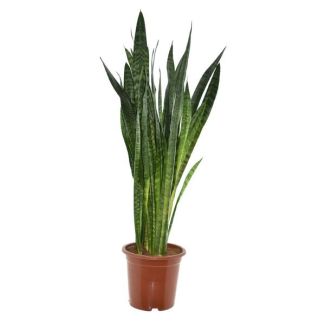
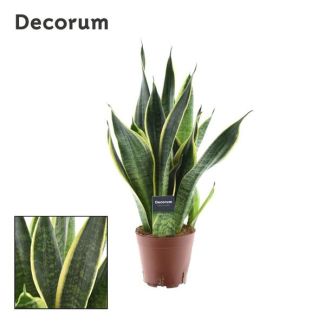
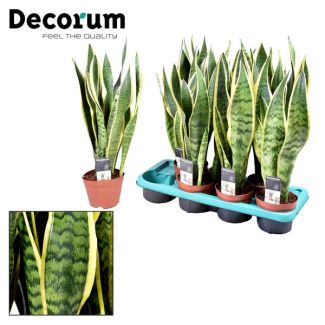
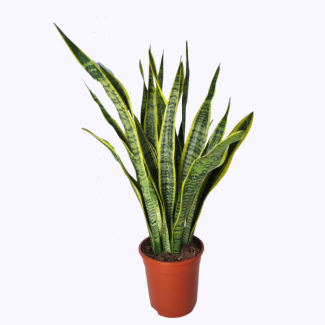
There are several popular Sansevieria varieties, including Sansevieria trifasciata, Sansevieria cylindrica, and Sansevieria laurentii. Each type has unique leaf shapes and patterns. Choosing the right variety depends on your space and style preferences.
Sansevieria plants for your home
Frequently Asked Questions
- Is Sansevieria toxic to cats and dogs?
- Sansevieria is considered mildly toxic to cats and dogs if ingested. Symptoms may include drooling, vomiting, or diarrhea. If you suspect your pet has eaten Sansevieria, contact your veterinarian for advice.
- How often should I water a Sansevieria?
- Water only when the soil is completely dry. In most indoor conditions, this means every 2 to 4 weeks. Always check the soil before watering to avoid overwatering.
- What types of Sansevieria are there?
- Popular types include Sansevieria trifasciata (classic snake plant), Sansevieria cylindrica (cylindrical leaves), and Sansevieria laurentii (yellow-edged leaves). There are also compact and variegated varieties.
Explore more Sansevieria topics
Introgreen Plantcoach