
Sansevieria propagation: how to do it
Sansevieria, also known as snake plant, can be propagated at home by leaf cuttings or by dividing mature plants. Both methods are straightforward and require minimal equipment. Below you will find step-by-step instructions, practical tips, and common mistakes to avoid.

Propagating Sansevieria by leaf cuttings
- Select a healthy leaf: Choose a mature, undamaged leaf. Avoid leaves with extensive rot or pests.
- Cut the leaf: Use a clean, sharp knife or scissors to cut the leaf near the base. Cut the leaf into sections of 5–10 cm (2–4 inches). Mark the top side of each section to maintain orientation.
- Let cuttings dry: Allow the cut ends to dry and callous for 1–2 days at room temperature. This helps prevent rot.
- Root in water or soil: Place the cuttings upright (bottom side down) in a glass of water or insert them into a pot with lightly moist potting soil. Only the bottom 2–3 cm should be submerged or buried.
- Wait for roots: Place the cuttings in a bright spot out of direct sunlight. Change water weekly if rooting in water. Roots usually appear after 4–8 weeks.
- Pot up: Once roots are 2–3 cm long, transfer water-rooted cuttings to soil. Keep the soil slightly moist for the first weeks.
Dividing Sansevieria when repotting
- Remove the plant from its pot: Gently loosen the root ball and shake off excess soil.
- Separate the rhizomes: Use your hands or a clean knife to divide the plant into sections, each with roots and at least one healthy leaf cluster.
- Repot divisions: Plant each section in its own pot with fresh, well-draining soil. Water lightly.
- Place in indirect light: Keep new divisions in a bright, indirect spot and avoid overwatering during the first weeks.
Supplies and timing
- Sharp knife or scissors
- Clean pots and fresh potting soil
- Glass or jar for water propagation (optional)
- Best time: spring or early summer, when the plant is actively growing
Common mistakes
- Using leaves with rot or pest damage
- Placing cuttings upside down (roots will not form)
- Not allowing cut ends to dry before planting
- Overwatering, especially before roots have formed
- Expecting variegated cuttings to keep their pattern (most revert to green)
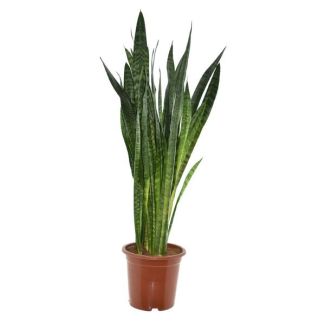
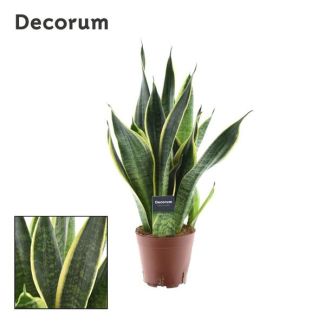
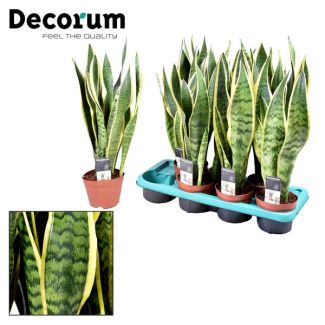
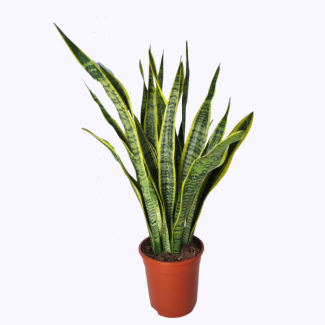
Popular Sansevieria plants
Related advice
Frequently Asked Questions
- How can I propagate Sansevieria?
- You can propagate Sansevieria by leaf cuttings or by dividing the plant during repotting. Leaf cuttings can be rooted in water or soil. Division is often faster and more reliable.
- When is the best time to propagate Sansevieria?
- The best time is in spring or early summer, when the plant is actively growing. This increases the chance of successful rooting and healthy new growth.
- Can every Sansevieria be propagated?
- Most Sansevieria species can be propagated by leaf cuttings or division. However, some variegated types may lose their pattern when grown from cuttings. Division preserves the original characteristics.