
Sansevieria care: practical tips

Light requirements
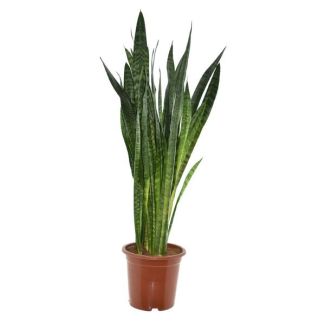
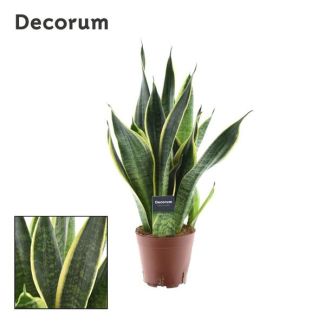
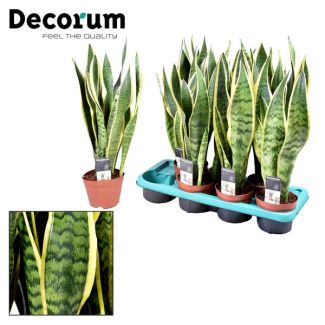
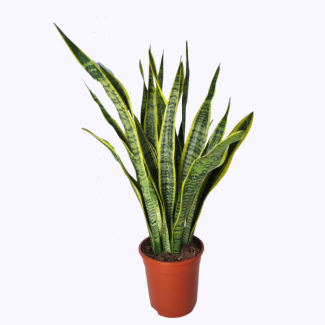
Sansevieria (snake plant) prefers bright, indirect light but tolerates lower light levels. Avoid direct midday sun, which can cause leaf scorch. A spot near a north or east-facing window is usually suitable. In low light, growth will slow and leaf color may fade, but the plant will generally survive.
Watering: how and when
Allow the top 3–5 cm of soil to dry out before watering again. In most homes, this means watering every 2–4 weeks. Use your finger to check soil moisture. Water thoroughly, then let excess water drain away. Avoid letting the plant sit in water, as Sansevieria is sensitive to root rot. In winter, reduce watering frequency.
Humidity and temperature
Sansevieria tolerates typical indoor humidity. It prefers temperatures between 15–27°C. Avoid cold drafts and temperatures below 10°C, as this can damage the leaves.
Soil and feeding
Use a well-draining potting mix. Sansevieria does not need frequent feeding. If desired, use a balanced houseplant fertilizer at half strength once in spring and once in summer. Do not fertilize in autumn or winter.
Pruning and repotting
Remove damaged or yellow leaves by cutting them at the base with clean scissors. Repot only when the roots fill the pot, typically every 2–3 years. Choose a pot with drainage holes.
Common mistakes
- Overwatering: the most frequent cause of problems. Always check soil dryness before watering.
- Placing in direct sun: can cause leaf burn.
- Using pots without drainage: increases risk of root rot.
- Feeding too often: can cause salt buildup and leaf damage.
FAQ: Sansevieria and pet safety
Frequently Asked Questions
- How do I know if my Sansevieria needs water?
- Check the top 3–5 cm of soil with your finger. If it feels dry, water the plant. If it is still moist, wait a few more days before checking again.
- What is the best spot for a Sansevieria?
- Place your Sansevieria in bright, indirect light. It will also tolerate partial shade, but avoid direct midday sun and very dark corners.
- Is Sansevieria safe for pets?
- Sansevieria is considered mildly toxic to cats and dogs if ingested, potentially causing stomach upset or vomiting. If you suspect your pet has eaten Sansevieria, contact your veterinarian for advice.