
Causes of Pests on Plants
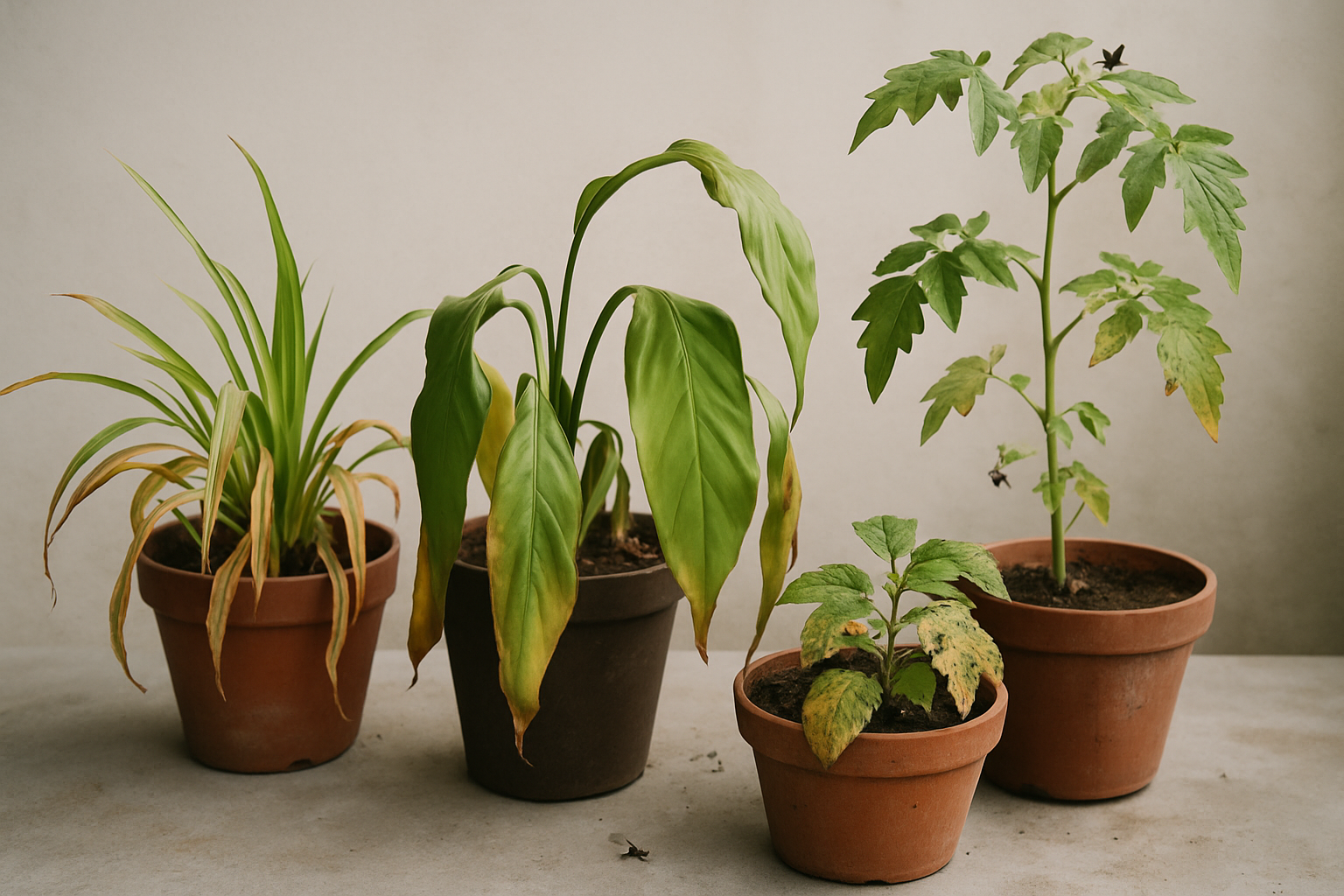
How Do Pests Appear on Houseplants?
Pests can show up on houseplants for several reasons. Sometimes, tiny insects or eggs are already present when you bring a new plant home. They may also enter through open windows, on clothing, or with other plants. Dry indoor air, lack of natural predators, and close plant spacing can make it easier for pests like spider mites, scale insects, or mealybugs to multiply indoors.
Causes of Pests on Outdoor Plants
Outdoor plants are exposed to a wider range of insects and environmental factors. Aphids, thrips, and caterpillars are common in gardens, especially in spring and summer. Weather changes, nearby infested plants, or even wind can introduce pests. Outdoor plants often recover more easily, as natural predators help keep pest numbers in check.
Stress Factors: Moving, Repotting, or Changing Location
Plants under stress are more vulnerable to pests. Stress can be caused by moving a plant to a new spot, repotting, sudden temperature changes, or inconsistent watering. When a plant is weakened, it is less able to defend itself, making it easier for pests to take hold.
Difference Between Indoor and Outdoor Pests
Indoor pests often multiply faster because there are fewer natural enemies. Common indoor pests include spider mites, scale insects, mealybugs, and fungus gnats. Outdoor pests are more varied and include aphids, caterpillars, and beetles. Outdoors, beneficial insects like ladybugs and lacewings help control pest populations.
When Is Pest Damage Likely?
Pest problems are most common during periods of active growth, such as spring and summer. However, indoor plants can develop pest issues year-round, especially if the air is dry or plants are crowded. Watch for signs of stress or damage, such as sticky leaves, webbing, or visible insects, to catch problems early.
Related topics
Frequently Asked Questions about Pest Causes
- Why does my plant suddenly have bugs?
- Pests can appear suddenly if eggs hatch, if a new plant brings them in, or if conditions become more favourable for their growth. Sometimes, a pest problem was already present but only becomes visible as it worsens.
- Can moving or repotting a plant cause pests?
- Moving or repotting can stress a plant, making it more susceptible to pests. The process itself does not introduce pests, but weakened plants are less able to resist infestations.
- Are outdoor plants more sensitive to pests?
- Outdoor plants are exposed to more types of pests, but they also benefit from natural predators. While pest outbreaks can happen, healthy outdoor plants often recover more easily than indoor plants.
- What are common stress factors for plants?
- Common stress factors include sudden changes in light or temperature, irregular watering, poor drainage, and physical damage from moving or repotting. Stressed plants are more likely to attract pests.
Introgreen Plantcoach
Plant advice and finder
Get help with plant care, plant problems and pests, or find suitable plants from the Introgreen assortment.