
Kentia palm: complete guide to care and problems

Introduction to the Kentia palm
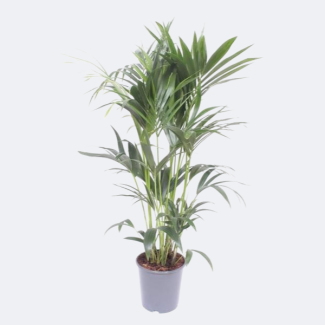
The Kentia palm (Howea forsteriana) is a slow-growing indoor palm known for its elegant, arching fronds and tolerance of typical home conditions. It is valued for its ability to adapt to lower light and its relatively low maintenance requirements compared to other palms. However, it is not immune to common indoor plant issues and requires consistent, attentive care for best results.
Care summary
- Light: Prefers bright, indirect light but tolerates partial shade. Avoid direct sun, which can scorch the leaves.
- Water: Allow the top 2-3 cm of soil to dry before watering. Overwatering can cause root rot.
- Humidity: Average room humidity is usually sufficient, but dry air may cause brown tips.
- Temperature: Keep between 16-24°C. Protect from cold drafts and sudden temperature changes.
- Feeding: Fertilize lightly during spring and summer. Avoid over-fertilizing.
- Repotting: Only when rootbound, typically every 3-4 years.
For detailed care instructions, see the Kentia palm care guide.
Common problems
Kentia palms may develop brown leaf tips, yellowing leaves, or experience leaf drop if care is inconsistent. Overwatering is a frequent cause of root rot. Insufficient light can slow growth and cause pale leaves. For troubleshooting, visit Kentia palm problems.
Pest identification and prevention
Spider mites, scale insects, and mealybugs can occasionally affect Kentia palms, especially in dry indoor air. Regularly inspect the undersides of leaves and stems. Early detection and prompt removal are important. For more information, see Kentia palm pests.
Propagation
Propagating Kentia palms at home is challenging. They do not produce offshoots suitable for division. Growing from seed is possible but very slow and requires patience. For realistic propagation advice, read Kentia palm propagation.
Types and varieties
Most Kentia palms available as houseplants are Howea forsteriana. Differences are mainly in size and maturity. Choose a plant size that fits your space and lighting. For a comparison of available types, see Kentia palm types.
Is the Kentia palm safe for pets?
The Kentia palm is generally considered non-toxic to cats and dogs according to several plant safety databases. However, individual sensitivities may occur. If your pet chews on houseplants or shows symptoms after contact, consult a veterinarian for advice.
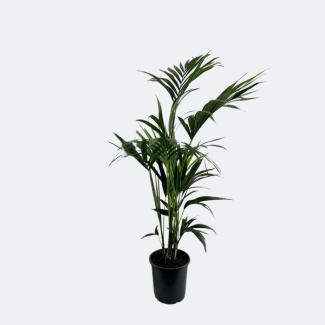
Recommended Kentia palms
Related advice
Frequently asked questions about the Kentia palm

- What are the most important care tips for the Kentia palm?
- Provide bright, indirect light, allow the top layer of soil to dry before watering, and avoid cold drafts. Do not overwater, and only repot when the plant is rootbound.
- What problems commonly affect the Kentia palm?
- Brown leaf tips, yellowing leaves, and root rot are common. These are often caused by inconsistent watering, low humidity, or poor drainage.
- Which pests affect the Kentia palm?
- Spider mites, scale insects, and mealybugs can occur, especially in dry indoor conditions. Regular inspection and prompt action help prevent infestations.
- How can I propagate a Kentia palm?
- Propagation by division is not practical for Kentia palms. Growing from seed is possible but very slow and requires patience. Most home growers purchase established plants.
- What types of Kentia palms are available?
- Most indoor Kentia palms are Howea forsteriana. Differences are mainly in plant size and maturity. Choose based on available space and light.
- Is the Kentia palm toxic to dogs and cats?
- The Kentia palm is generally considered non-toxic to cats and dogs. If your pet chews on the plant or shows symptoms, consult a veterinarian.