
Kentia palm care: how to keep it healthy

Light requirements
The Kentia palm prefers bright, indirect light. Avoid direct sunlight, which can cause leaf burn. A spot near a north or east-facing window is suitable. If the plant receives too little light, growth may slow and leaves may lose color.
Watering: how and when
Allow the top 2-3 cm of soil to dry out before watering again. Water thoroughly, but do not let the plant stand in excess water. In winter, reduce watering frequency as growth slows. Overwatering can lead to root rot, while underwatering may cause brown leaf tips.
Humidity and temperature
The Kentia palm prefers moderate to high humidity. If the air is dry (especially in winter), occasional misting can help, but is not strictly necessary. Keep the plant in temperatures between 16°C and 24°C. Avoid cold drafts and sudden temperature changes.
Suitable potting soil and feeding
Use a well-draining, peat-free potting mix. Feed with a balanced liquid fertilizer at half strength once a month during spring and summer. Do not fertilize in autumn and winter.
Pruning and maintenance
Remove brown or yellow leaves at the base with clean scissors. Do not cut healthy green fronds, as the palm relies on them for energy. Wipe leaves occasionally to remove dust.
Repotting: when and how
Repot every 3-4 years or when roots become crowded. Choose a pot 2-4 cm wider than the previous one. Repot in spring for best results. Handle roots gently, as they are sensitive to disturbance.
Common care mistakes
- Overwatering, leading to root rot.
- Placing in direct sunlight, causing leaf scorch.
- Allowing soil to remain soggy for extended periods.
- Neglecting to check for pests or dust on leaves.
Is the Kentia palm safe for pets?
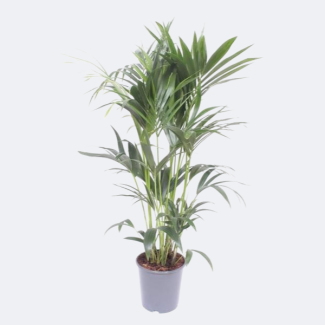
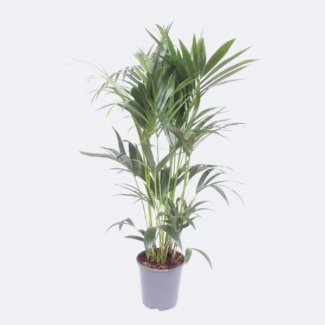
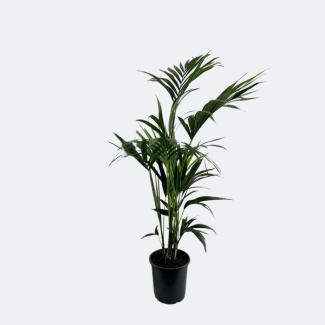
The Kentia palm (Howea forsteriana) is generally considered non-toxic to cats and dogs. However, individual sensitivities can vary. If you suspect your pet has ingested plant material and shows symptoms, consult a veterinarian.

Frequently asked questions about Kentia palm care
- How often should I water the Kentia palm?
- Water when the top 2-3 cm of soil feels dry. This is usually every 1-2 weeks, but frequency depends on temperature, light and pot size.
- What is the ideal location for the Kentia palm?
- Place the Kentia palm in bright, indirect light. Avoid direct sunlight and cold drafts.
- Should I mist the Kentia palm?
- Misting is optional. It can help in dry indoor air, but is not essential if humidity is moderate.
- When should I repot the Kentia palm?
- Repot every 3-4 years or when roots become crowded. Spring is the best time for repotting.
- Is the Kentia palm toxic to pets?
- The Kentia palm is generally considered non-toxic to cats and dogs. If your pet shows symptoms after ingestion, contact a veterinarian for advice.
How to water a Kentia palm
- Check the top 2-3 cm of soil with your finger. If it feels dry, proceed to water.
- Water evenly until excess drains from the bottom of the pot.
- Empty the saucer after 10-15 minutes to prevent standing water.
- In winter, reduce watering frequency as growth slows.
Introgreen Plantcoach