
Allium care: planting instructions and maintenance
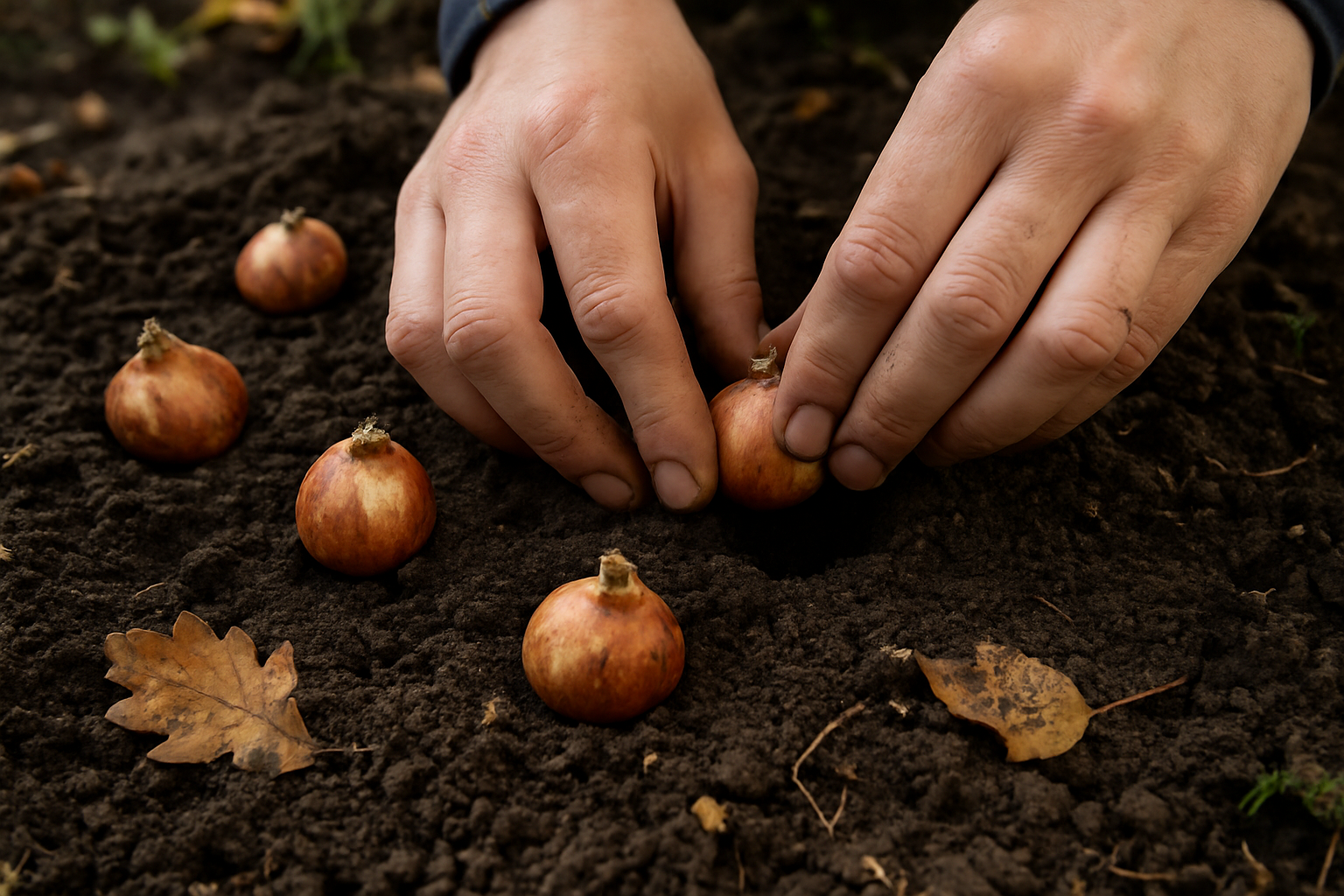
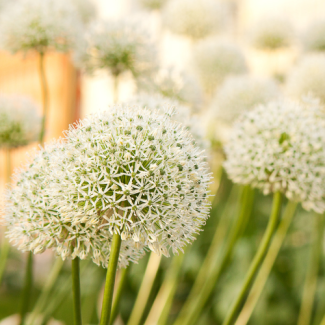
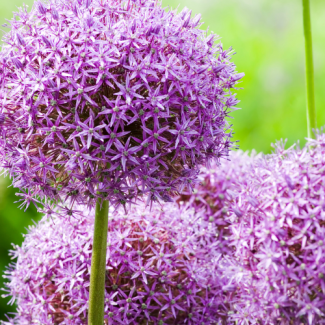
Alliums, or ornamental onions, are a striking addition to any garden, known for their globe-shaped flower heads and late spring to early summer bloom. With the right care, they return year after year. Here you'll find practical advice for planting, maintaining and enjoying Allium bulbs in your garden or pots.
When and how to plant Allium bulbs
Plant Allium bulbs in autumn, ideally from September to November, before the first hard frost. This gives the bulbs time to root before winter. Choose healthy, firm bulbs and avoid any that feel soft or show signs of mould.
Planting depth and spacing
As a rule of thumb, plant Allium bulbs at a depth of about two to three times the height of the bulb itself. For most varieties, this means 10–15 cm deep. Space bulbs 10–20 cm apart, depending on the mature size of the variety. This allows enough room for growth and air circulation.
Location: sun and soil
Alliums prefer a sunny spot with well-drained soil. Heavy, wet soils increase the risk of bulb rot. If your soil is clay-heavy, consider improving drainage before planting. Alliums tolerate a range of soil types as long as water does not pool around the bulbs.
Watering and fertilising
Water Allium bulbs after planting to help them settle in. Once established, they require little extra water—only during prolonged dry spells. Overwatering can cause bulbs to rot. Alliums generally do not need much fertiliser; if your soil is poor, you can add a small amount of compost at planting time.
Winter hardiness and protection
Most ornamental Alliums are hardy in temperate climates and can remain in the ground over winter. In areas with very wet winters, bulbs may benefit from extra drainage or a sheltered spot. In pots, protect bulbs from severe frost by moving containers to a sheltered location or wrapping them if needed.
Allium in pots: extra care tips
Alliums can be grown in pots, provided the container has good drainage holes. Use a free-draining potting mix and avoid waterlogged conditions. Pots may dry out faster than garden soil, so check moisture levels regularly, especially in spring. After flowering, allow the foliage to die back naturally before removing it.
Is Allium toxic to dogs and cats?
Many Allium species, including ornamental types, contain compounds that can be toxic to dogs and cats if eaten in significant amounts. Symptoms may include stomach upset or, in rare cases, more serious effects. If you suspect your pet has ingested Allium, contact your veterinarian for advice. Most pets avoid eating these plants, but caution is advised.
Frequently asked questions about Allium care
- When should I plant Allium bulbs?
- Plant Allium bulbs in autumn, from September to November, before the first hard frost. This allows the bulbs to establish roots before winter.
- How deep should I plant Allium bulbs?
- Plant bulbs at a depth of two to three times their own height, usually 10–15 cm deep for most varieties.
- What soil is suitable for Allium?
- Alliums prefer well-drained soil and a sunny location. Avoid heavy, wet soils to reduce the risk of bulb rot.
- Should I remove Allium after flowering?
- Allow the foliage to die back naturally after flowering. The leaves help store energy for next year's growth. You can remove spent flower heads if you wish, but leaving them can add decorative value.
- Are Alliums winter hardy?
- Most ornamental Alliums are winter hardy in temperate climates and can stay in the ground year-round. In very wet or cold areas, extra protection may be needed.
- Are Alliums toxic to dogs and cats?
- Many Allium species can be toxic to pets if eaten. Keep bulbs and plants out of reach of curious animals, and consult a vet if ingestion is suspected.
Introgreen Plantcoach