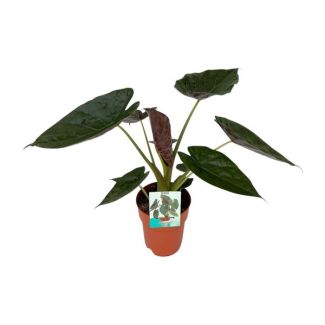
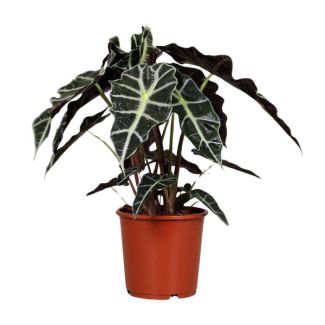
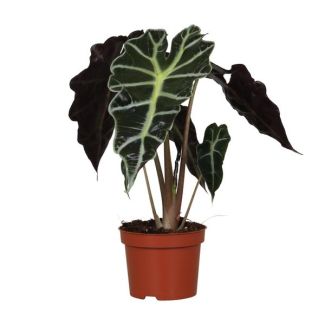
The Alocasia Lauterbachiana, also known as "Lauterbach's Alocasia," is a rare and striking tropical plant known for its exotic appearance, elongated leaves, and prominent veins. It is a species that has become increasingly popular among plant enthusiasts in recent years due to its unique characteristics and the dramatic look it adds to an interior. This Alocasia belongs to the Araceae family and is originally from Southeast Asia, particularly Papua New Guinea and Indonesia.
A number of characteristics and care tips for the Alocasia Lauterbachiana are;
Leaves: The leaves of the Alocasia Lauterbachiana are elongated and thin in structure, with a glossy surface. They have a unique gray-green color that often appears somewhat bluish or purplish, especially in younger leaves. Over time, they may become deeper green, but the blue and purple hues often remain visible, especially on the underside of the leaves.
The leaves can grow up to 40-50 cm long and are often narrow and lance-shaped (tapering to a point), giving the plant an elegant and dramatic appearance. The veins of the leaves are clearly visible and may have a slight silver or white tint, enhancing the contrast with the dark leaf color.
The stems (petioles) of the leaves are usually long and exhibit a striking purplish tint, further emphasizing the plant's appearance.
Stems and Growth: The Alocasia Lauterbachiana has an upright growth habit and grows in a compact clump form. This plant has a robust root system, which is typical for Alocasia species, and from this system emerge the long, elegant stems.
The plant can reach a final height of 60 cm to 1 meter, although most Alocasia Lauterbachiana in an indoor environment tend to stay slightly smaller, depending on the growing conditions.
The leaves grow straight up and can create a dramatic visual effect in your space, making the plant particularly suitable for interior decoration.
Flowers: Alocasia plants are not known for their flowers, and the Alocasia Lauterbachiana is no exception. When it blooms, it produces small flowers in the form of a spadix (flower stalk) surrounded by a spatha (flower bract), but this blooming rarely occurs in an indoor environment.
The flowers are generally unimpressive and are often not even noticed, as the plant's appeal primarily comes from its leaves.
Origin and Species: The Alocasia Lauterbachiana is originally from the tropical rainforests of Papua New Guinea and other parts of Southeast Asia. It is a relatively new species on the houseplant market, but it has quickly gained popularity due to its exotic appearance and beautiful leaf color.
It is sometimes confused with other Alocasia species, such as Alocasia 'Polly' or Alocasia 'Amazonica,' but the Lauterbachiana has distinctly different leaves and a different growth habit.
Light: The Alocasia Lauterbachiana requires bright, indirect light to thrive. Direct sunlight can scorch the leaves, causing them to turn brown or yellow. Too little light can slow growth, and the leaves may become smaller.
It is best to place the plant in a location with sufficient light but out of direct sunlight. A spot near an east or west-facing window is ideal, where the light can reach the plant without being too harsh.
Temperature: The Alocasia Lauterbachiana is a tropical plant that prefers warm temperatures. The ideal temperature range is between 18°C and 26°C. Temperatures below 15°C can be harmful to the plant and may slow growth or cause damage to the leaves.
As with most Alocasia species, the plant should be protected from cold drafts or breezes, such as from open windows or air conditioning.
Watering: This plant requires a moderate amount of water. It is important to maintain consistent moisture in the soil, but the plant should not sit in standing water, as this can cause root rot.
Between watering sessions, the top layer of soil should dry out, but the soil should not completely dry out, as the plant will quickly show signs of stress. In the winter months, the plant requires less water as growth slows.
Use filtered water or rainwater for the best results, as tap water with high mineral content can harm the plant.
Humidity: Alocasia Lauterbachiana loves high humidity (between 60% and 80%). If the air is too dry, the edges of the leaves may turn brown, which is a sign of insufficient moisture in the air.
To increase humidity, you can regularly mist the plant with water or use a humidifier. You can also place the plant on a pebble tray with water to promote evaporation.
Soil: This Alocasia prefers well-draining, airy potting soil. A mix of potting soil, perlite, and coconut coir or a houseplant mix with good drainage works well.
It is important to ensure that the pot in which the plant is placed has sufficient drainage holes so that excess water can drain quickly.
Fertilizing: During the growing seasons (spring and summer), the Alocasia Lauterbachiana can be fertilized monthly with a balanced liquid fertilizer for houseplants. Use a diluted solution to prevent over-fertilization.
In the fall and winter, when the plant is dormant, fertilization should be stopped.
Pruning: Prune the Alocasia Lauterbachiana to remove dead or damaged leaves. This keeps the plant healthy and prevents diseases or fungi.
Use sharp, clean scissors or a knife to prune to avoid infection.
Is the Alocasia Lauterbachiana toxic?
Yes, the Alocasia Lauterbachiana is toxic to both humans and pets. Like other Alocasia species, the plant contains oxalates (calcium oxalate crystals), which can cause irritation upon contact with skin or if ingested. Symptoms of poisoning may include itching, burning, or swelling in the mouth and throat. Ingestion can lead to stomach issues such as nausea, vomiting, and diarrhea.