


St. John's Wort / Saint John's Wort – Hypericum inodorum | ↕10-25 cm | Ø9 cm
St. John's Wort / Saint John's Wort
Hypericum inodorum
Only %1 left
Frequently Asked Questions
What is the ideal light condition for St. John's Wort?
St. John's Wort prefers full sun to partial shade for optimal growth.
What type of soil does St. John's Wort require?
This plant thrives in well-draining, humus-rich soil and can tolerate various soil types as long as they are not too wet.
How often should I water St. John's Wort?
Keep the soil moist, especially during dry periods, but avoid waterlogging to prevent root rot.
Is St. John's Wort winter hardy?
Yes, St. John's Wort is well hardy; applying a mulch layer around the base is recommended for extra protection during severe frost.
How should I prune St. John's Wort?
Annual pruning in early spring is recommended to remove old and dead branches, which helps keep the plant compact and encourages new growth.
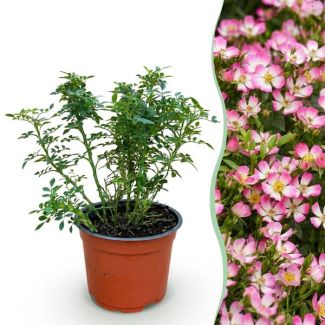
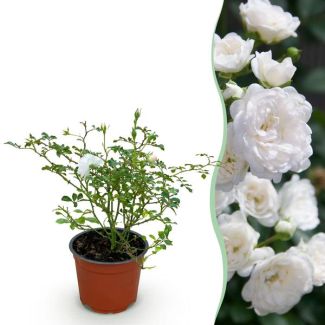
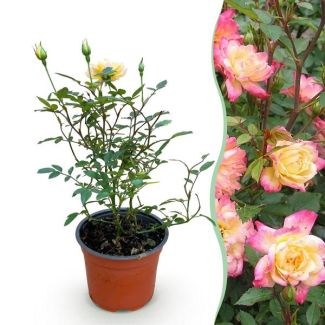
Details
Hypericum inodorum (St. John's Wort)
Hypericum inodorum, also known as St. John's Wort, is an elegant, hardy shrub that is popular for its bright yellow flowers and decorative berries. This versatile plant is ideal as a colorful shrub in borders, but also excellent as a hedge plant or low partition. Thanks to its long flowering period and low maintenance nature, Hypericum inodorum is a valuable addition to any garden.
Characteristics
-
Mature height: 50 - 120 cm, depending on the variety
-
Leaves: Oval, green, and leathery; usually remain green until autumn
-
Flowering: From June to September with bright yellow flowers and prominent stamens
-
Berries: After flowering, decorative berries appear in colors ranging from red, pink, yellow, orange to black (depending on the species), which remain visible and attractive for a long time, often into deep winter
-
Scent: Odorless (as the name ‘inodorum’ suggests), unlike some fragrant Hypericum species
Location and Growth
-
Light: Prefers full sun to partial shade
-
Soil: Well-draining, humus-rich soil; tolerates various soil types as long as they are not too wet
-
Water: Keep the soil moist, especially during dry periods; avoid waterlogging to prevent root rot
-
Pruning: Annual pruning in early spring (March-April). Remove old and dead branches to keep the plant compact and stimulate new growth. For rejuvenation, the plant can be cut back significantly to 15-20 cm above the ground.
-
Fertilization: Apply an organic fertilizer or compost in spring to promote growth and flowering
-
Winter: Well hardy; a mulch layer around the base is recommended for extra protection during severe frost
Diseases and Pests
-
Generally a strong and healthy plant
-
May sometimes suffer from rust or aphids
-
Regular monitoring and treatment with natural control methods is recommended
Application in the garden
-
Excellent as a shrub in a border, both solitary and in groups
-
Suitable as a hedge plant or low partition
-
The colorful berries are also popular for floral arrangements and decoration
-
Thanks to its long flowering period and low maintenance, Hypericum inodorum is a very versatile garden plant
Care Table Hypericum inodorum
| Feature | Advice |
|---|---|
| Location | Full sun to partial shade |
| Soil | Well-draining, humus-rich, not too wet |
| Watering | Keep moist, not too wet |
| Pruning | Annually in March-April, remove old branches, rejuvenation pruning possible (15-20 cm above ground) |
| Fertilization | Spring: organic fertilizer or compost |
| Winter hardy | Well hardy, apply mulch during severe frost |
| Diseases | Sometimes rust or aphids, monitoring and natural control |
More Information
| Titel 2 | Hypericum inodorum |
|---|---|
| Plant height | 10-25 |
| Pot size | 9 |
| Decorative pot | Without pot |
| Delivery time in days | 1-5 |
Reviews
Write Your Own Review